Living with kidney concerns often means paying close attention to everything you eat, especially protein. Many people feel overwhelmed trying to figure out what supports their body’s needs without adding extra strain. The uncertainty around daily meals can create constant worry about making the right choices for long-term wellness.

That’s why understanding smarter protein options can make a meaningful difference in how you manage your diet. In this guide, you’ll discover practical insights into proteins that fit well into kidney-conscious eating patterns, along with those worth limiting. Keep reading to uncover simple swaps and tips that could help you feel more confident at mealtime.
Why Protein Matters for Kidney Health
Protein is essential for building and repairing tissues, maintaining muscle strength, and supporting your immune system. However, when kidneys aren’t filtering as efficiently, the waste products from protein breakdown can build up.
Research suggests that the type of protein you choose may influence how your body handles it. Plant-based options often produce less acid and may be gentler in certain aspects compared to some animal sources. Studies from organizations like the National Kidney Foundation highlight that balancing protein intake with quality sources is key.
Many people with chronic kidney disease (CKD) work with a registered dietitian to determine their personal daily needs, which can vary by stage and individual health factors.
Understanding Protein Needs in a Kidney-Friendly Diet
The right amount of protein depends on your specific situation. For many in earlier stages of CKD, guidelines often recommend moderate intake around 0.6 to 0.8 grams per kilogram of body weight per day, but this should always be personalized.
Too little protein risks muscle loss, while too much can increase workload on the kidneys. The focus is on high-quality sources that provide essential amino acids without excess phosphorus, potassium, or sodium that may need monitoring.
Here’s a quick comparison of protein types:
- Animal proteins: Often complete proteins but can be higher in saturated fat and phosphorus absorption.
- Plant proteins: Generally lower in saturated fat and may offer additional fiber benefits, though they may require combining sources for full amino acid profiles.
4 Protein Sources Worth Including More Often
These options are frequently recommended as part of a varied kidney-supportive eating plan. Always check portions and preparation methods with your healthcare team.
- Egg Whites: A high-quality, low-phosphorus protein source. They’re versatile for omelets or baking and provide essential nutrients with minimal waste products for the kidneys to process.
- Skinless Poultry (like Chicken Breast): Lean cuts offer solid protein with lower fat. Opt for fresh, unprocessed versions and keep portions moderate. Grilling or baking helps control added sodium.
- Fish (such as Cod or Sea Bass): Provides high-quality protein plus beneficial omega-3 fatty acids. Choose fresh or frozen low-sodium options and limit high-mercury varieties.
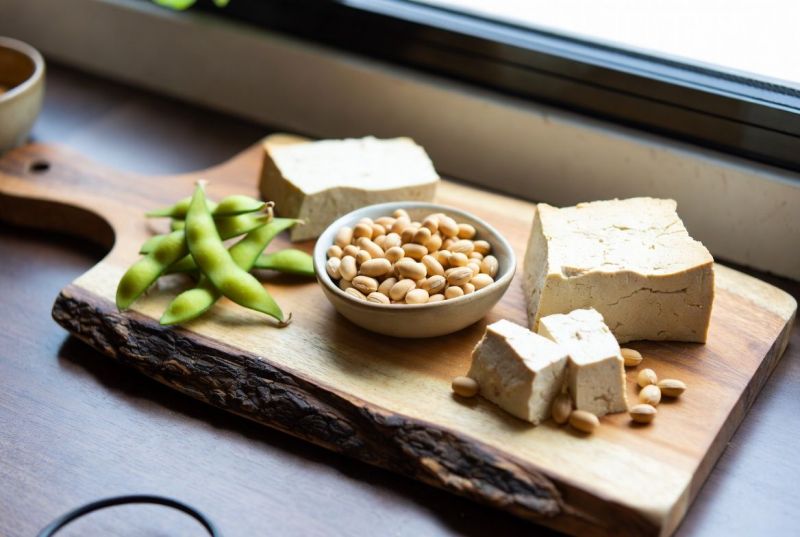
- Soy-Based Foods (Tofu, Tempeh, or Edamame in Moderation): Plant-based and versatile. Soy protein has been studied for potential benefits in supporting kidney markers in some contexts. Use low-sodium preparations and monitor potassium if relevant for your needs.
But that’s not the complete picture. Some proteins require more careful consideration.

6 Proteins to Limit or Choose Mindfully
Certain choices can be higher in phosphorus, sodium, or create more metabolic waste. Moderation and preparation matter greatly.
- Red and Processed Meats (beef, sausages, bacon): Often high in sodium and saturated fats. Frequent consumption may increase kidney workload over time.
- Full-Fat Dairy Products (whole milk, certain cheeses): Can be higher in phosphorus and potassium. Low-fat or alternative options may be better suited in controlled amounts.
- Organ Meats (liver, kidneys): Extremely nutrient-dense but also high in phosphorus and purines.
- Canned or Processed Fish (with added salt): Sodium levels can add up quickly. Rinse thoroughly or choose fresh alternatives.
- High-Phosphorus Nuts and Seeds in Large Quantities: While nutritious, portion control is essential if phosphorus is a concern.
- Protein Supplements or Powders (unless specifically recommended): Many contain additives or high concentrations that may not align with kidney guidelines. Whole food sources are usually preferable.
Pro Tip: When comparing labels, focus on sodium, phosphorus, and potassium content alongside protein grams.
Actionable Tips for Building a Balanced Plate
Making changes doesn’t have to be complicated. Here are step-by-step ideas you can try this week:
- Track Your Intake: Use a simple food diary or app to note protein sources for a few days. Share it with your dietitian for feedback.
- Swap Strategically: Replace half your usual meat portion with plant options like lentils or tofu in stir-fries or salads.
- Prepare Mindfully: Rinse canned beans, choose fresh over processed, and use herbs and spices instead of salt.
- Balance with Veggies: Pair proteins with low-potassium vegetables for fiber and volume without excess minerals.
- Portion Awareness: A deck-of-cards size is a common visual guide for meat or fish servings.
- Stay Hydrated: Adequate fluid intake (as approved by your doctor) supports overall kidney function.
These small adjustments can help you maintain energy while supporting your health goals.
Additional Lifestyle Habits That Complement Protein Choices
Diet works best alongside other positive habits. Regular light physical activity, stress management, and consistent sleep all contribute to better overall wellness. Many find that working with a renal dietitian provides tailored plans that evolve with their needs.
Research continues to explore how plant-forward eating patterns may offer advantages for kidney health markers, such as reduced acid load.
Conclusion: Small Changes for Long-Term Confidence
Navigating protein choices with kidney health in mind is about balance and informed decisions rather than perfection. By focusing on quality sources, appropriate portions, and variety, you can create meals that nourish your body effectively.
Remember, what works best is unique to you. Consult your healthcare provider or a registered dietitian before making significant dietary shifts.
FAQ
1. How much protein should someone with kidney concerns eat daily?
It varies by individual factors like CKD stage and body weight. A healthcare professional or dietitian can provide a personalized target, often emphasizing quality over quantity.
2. Are all plant proteins safe for kidney diets?
Many plant proteins can be excellent choices, but portion sizes and mineral content (like potassium in some beans) matter. Variety and proper preparation help.
3. Can I still enjoy favorite meals while being mindful of protein?
Absolutely. Simple modifications like using egg whites in recipes or mixing in more vegetables allow you to adapt dishes you love.
Disclaimer: This article is for informational purposes only and is not a substitute for professional medical advice. Always consult your doctor or a qualified healthcare provider before making changes to your diet or treatment plan, especially if you have chronic kidney disease or other health conditions.