Many people worry about their kidney health as they get older. Busy lifestyles, processed foods, and not drinking enough water can put extra strain on these vital organs that filter waste from the body every single day. Over time, this can lead to feeling tired, bloated, or just not as energetic as before.

The good news is that simple changes to your morning routine can make a positive difference. In this article, we’ll explore three fruits that are easy to add to breakfast and why they’re often highlighted in discussions about supporting kidney wellness. Stick around until the end for a complete breakfast idea that brings them all together.
Why Your Kidneys Appreciate Fruit in the Morning
Your kidneys work hard around the clock. Starting the day with hydrating, antioxidant-rich foods can help provide gentle support for their natural processes. Fruits are packed with vitamins, fiber, and plant compounds that contribute to overall wellness. Research suggests that diets rich in certain fruits are linked to better kidney markers.
But which ones stand out for breakfast? Let’s dive in.
Fruit 1: Blueberries – The Antioxidant Powerhouse
Blueberries are a favorite for good reason. These small berries are loaded with anthocyanins, natural plant compounds known for their antioxidant properties.
Studies have explored how antioxidants may help protect cells throughout the body, including those in the kidneys, from everyday oxidative stress. Because they’re relatively low in potassium compared to many other fruits, they’re often recommended as part of a kidney-friendly eating pattern.
Simple ways to enjoy blueberries at breakfast:
- Add a handful to oatmeal or yogurt
- Blend into a morning smoothie
- Sprinkle over whole-grain toast with nut butter
Their natural sweetness makes them satisfying without added sugar.

Fruit 2: Cranberries – Supporting Urinary Tract Wellness
Cranberries have been studied for their role in urinary tract health, which is closely connected to kidney function. They contain proanthocyanidins that may help prevent certain bacteria from sticking to the urinary tract walls.
Fresh cranberries can be tart, so many people enjoy them dried (in moderation) or as unsweetened juice diluted with water. Their fiber and vitamin C content also contribute to general wellness.
Actionable tip: Try adding a small handful of unsweetened dried cranberries to your breakfast bowl or mixing a splash of pure cranberry juice into sparkling water for a refreshing start to the day.
Fruit 3: Lemon – Hydration and Natural Citrate
Lemons bring bright flavor and a boost of vitamin C. The citrate in lemons is often mentioned in nutrition discussions because it may help support the body’s natural balance of minerals.
Squeezing fresh lemon into warm water first thing in the morning is a popular habit. It adds hydration while providing a gentle flavor that many people enjoy.
Easy lemon breakfast ideas:
- Warm lemon water before your meal
- Add lemon zest to yogurt or smoothie bowls
- Slice fresh lemon into fruit salad
This simple citrus fruit is affordable and available year-round.
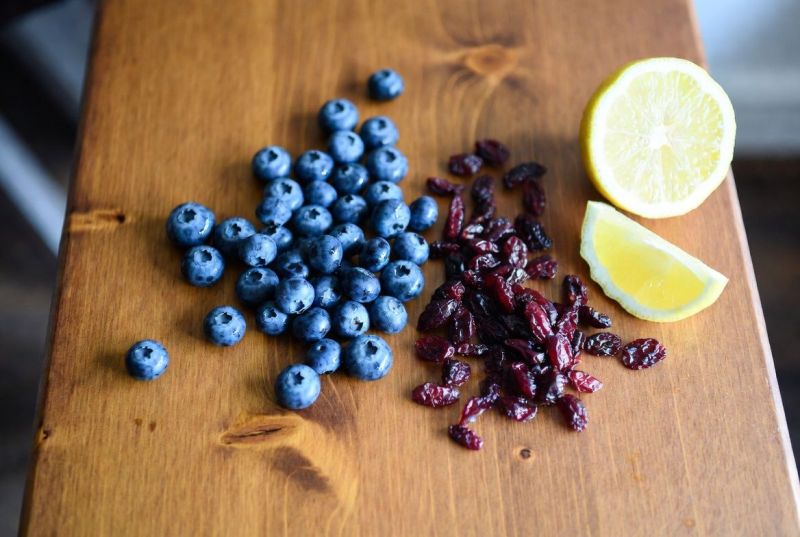
How These Fruits Work Together for Your Morning Routine
Combining blueberries, cranberries, and lemon creates a colorful, tasty breakfast that feels nourishing. Here’s a quick comparison:
| Fruit | Key Benefit Highlighted | Easy Breakfast Use | Flavor Profile |
|---|---|---|---|
| Blueberries | Antioxidants | Smoothies, oatmeal, yogurt | Sweet, juicy |
| Cranberries | Urinary tract support | Dried in bowls, juice splash | Tart, bright |
| Lemon | Hydration + vitamin C | Water, zest, slices | Fresh, zesty |
This combination provides variety in textures and nutrients while keeping things simple.
Step-by-Step Breakfast Recipe: Kidney-Friendly Fruit Bowl
Here’s an easy recipe you can prepare in under 10 minutes:
- Start with ½ cup plain Greek yogurt or a plant-based alternative as your base.
- Add ½ cup fresh or frozen blueberries.
- Sprinkle in 2 tablespoons of unsweetened dried cranberries.
- Squeeze juice from half a fresh lemon over everything and add a bit of zest.
- Optional: Top with a sprinkle of chia seeds or a few chopped walnuts for healthy fats and extra fiber.
- Enjoy slowly and pair with a glass of water.
This bowl is refreshing, filling, and gives you a great start. Feel free to adjust portions based on your preferences and any dietary needs.
Additional Tips to Support Kidney Health Naturally
Beyond these three fruits, consider these everyday habits:
- Drink plenty of water throughout the day
- Reduce processed foods and added salt
- Stay active with walking or gentle movement
- Get enough sleep
Small, consistent choices often lead to the best long-term results.
But here’s the part many people find most surprising…
When you make these fruits a regular part of your breakfast, you’re not just adding flavor — you’re creating a simple ritual that supports your body’s natural rhythms. Many readers report feeling more energized and noticing positive changes in how they feel overall.
FAQ
1. Can I eat these fruits every day?
Yes, most people can enjoy blueberries, cranberries, and lemon daily as part of a balanced diet. Listen to your body and consult a healthcare professional if you have specific health conditions.
2. Are frozen fruits as good as fresh?
Frozen fruits are often picked at peak ripeness and retain most of their nutrients. They’re convenient and budget-friendly for smoothies and bowls.
3. What if I don’t like the taste of cranberries?
Try mixing a small amount with sweeter fruits like blueberries, or use pure cranberry juice diluted in water. Start small and build up.

Final Thoughts
Adding blueberries, cranberries, and lemon to your breakfast is a delicious, approachable way to show your kidneys some love. These three fruits are accessible, versatile, and backed by nutrition science highlighting their supportive roles.
Start small this week — maybe just one new fruit habit — and see how you feel. Your body will thank you for the consistent care.
Disclaimer: This article is for informational purposes only and is not intended as medical advice. Always consult with a qualified healthcare professional before making significant changes to your diet, especially if you have kidney concerns or other health conditions.