As we get older, many people notice that plain water alone doesn’t seem to keep them feeling as hydrated or energetic as before. Simple daily habits like staying active can become more challenging when circulation feels sluggish. That’s why more adults over 50 are exploring gentle ways to support their body’s natural processes through everyday choices. One approach gaining attention involves adding a specific mineral to drinking water — and today we’ll explore how it works.

What Is Magnesium and Why Does It Matter for Circulation?
Magnesium is an essential mineral that plays a role in hundreds of processes in the body. It helps support muscle and nerve function, including the muscles in blood vessel walls. Research suggests that maintaining adequate magnesium levels may contribute to healthy blood flow and cardiovascular wellness, especially as natural magnesium stores can decline with age.
Many older adults get less magnesium from their diet than recommended. Factors like certain medications, reduced absorption, or simply eating fewer magnesium-rich foods can contribute to this. When levels are low, the body may not regulate fluid balance and vessel relaxation as efficiently.
How Magnesium in Water Can Make a Difference
Drinking water is already one of the best habits for hydration. Adding a small amount of magnesium turns your regular glass into a more supportive drink. Studies have explored how magnesium helps blood vessels relax, which may promote smoother circulation.
This doesn’t replace medical advice or a balanced diet, but it can be a simple addition to your routine. Here’s why this approach appeals to many:
- It’s easy to incorporate into your day
- Water helps carry the mineral efficiently
- It pairs well with other healthy habits
Signs Your Body Might Benefit from More Magnesium Support
While everyone is different, some common experiences as we age include:
- Feeling colder in hands and feet
- Occasional muscle cramps or tightness
- General fatigue after normal activities
- Needing more recovery time
These feelings don’t always mean a deficiency, but they remind us to pay closer attention to nutrition and hydration.
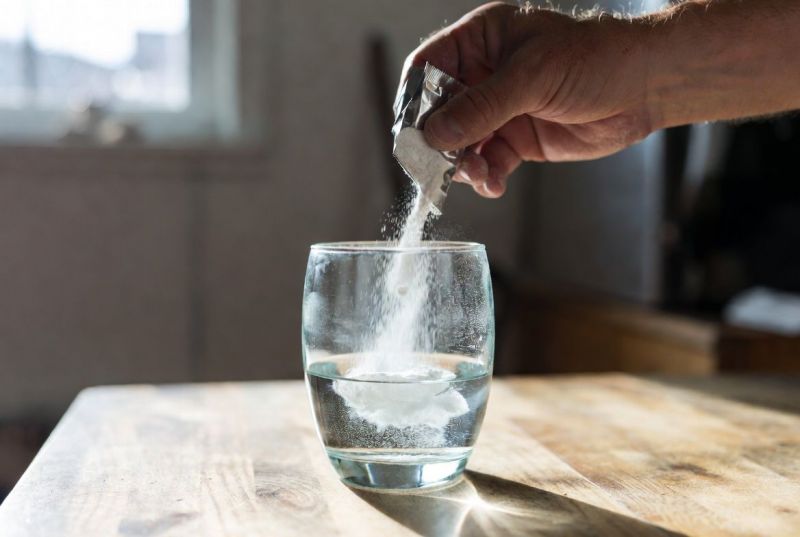
How to Safely Add Magnesium to Your Water (Step-by-Step Guide)
Here’s a practical way to try this at home:
- Choose the right form: Look for magnesium citrate or magnesium glycinate powder designed for drinking water. These forms tend to dissolve well and are generally gentle on the stomach.
- Start small: Begin with 100–200 mg of elemental magnesium per day, mixed into 500ml–1 liter of water. Always check the product label.
- Mix properly: Stir or shake until fully dissolved. Some people prefer warm water to help it dissolve faster.
- Time it right: Many find morning or midday works best. Split the amount across two glasses if needed.
- Track how you feel: Keep a simple note for 1–2 weeks to notice any changes in energy or comfort.
Magnesium-Rich Foods to Combine With Your Water Habit
While adding it to water is convenient, food sources remain important. Consider including these in your meals:
- Leafy greens like spinach and kale
- Nuts and seeds (almonds, pumpkin seeds)
- Whole grains such as oats or brown rice
- Avocados and bananas
- Dark chocolate (in moderation)
Combining dietary sources with magnesium-enhanced water can help you reach balanced levels naturally.
Potential Benefits Backed by General Research
Research has looked at magnesium’s role in supporting healthy blood pressure levels and cardiovascular function. One area of interest is how magnesium works alongside calcium and potassium to help maintain normal vessel tone.
Remember, results vary from person to person. This is about supporting overall wellness rather than expecting dramatic overnight changes.
Common Mistakes to Avoid
- Adding too much at once (start low and go slow)
- Using forms not meant for drinking (some bath salts or supplements aren’t suitable)
- Ignoring taste — if it’s too bitter, try a different form or smaller amount
- Skipping consultation with your doctor, especially if you take medications
Realistic Expectations and Lifestyle Integration
Adding magnesium to water works best as part of a bigger picture. Pair it with light walking, good sleep, and a colorful plate of vegetables. Small consistent habits often bring the most noticeable improvements over time.

FAQ
1. Is it safe to add magnesium to water every day?
For most healthy adults, moderate amounts are generally well-tolerated. However, it’s wise to discuss with your healthcare provider first, particularly if you have kidney concerns or take medications.
2. How long before I might notice changes?
Some people report feeling subtle differences in energy or comfort within a couple of weeks, while others take longer. Consistency matters more than speed.
3. Can I use magnesium tablets instead of powder?
Powder dissolves easily in water, but tablets or capsules are also effective. The key is choosing a quality source and following recommended amounts.
Disclaimer
The information in this article is for educational purposes only and is not intended as medical advice. Always consult with your healthcare professional before making changes to your diet or supplement routine, especially if you have existing health conditions or take medications.
This simple habit of enhancing your water with magnesium is an easy way to show your body some extra care as the years go by. Many readers find that combining good information with small daily actions helps them feel more in control of their wellness journey.