In today’s fast-paced world, many people struggle to stay hydrated while looking for simple ways to support their daily wellness routines. The constant search for refreshing drinks that fit into busy lifestyles often leads to choices loaded with added sugars or artificial ingredients, leaving you feeling sluggish or unsatisfied. But what if a straightforward infusion using a humble garden vegetable could offer a naturally refreshing alternative?
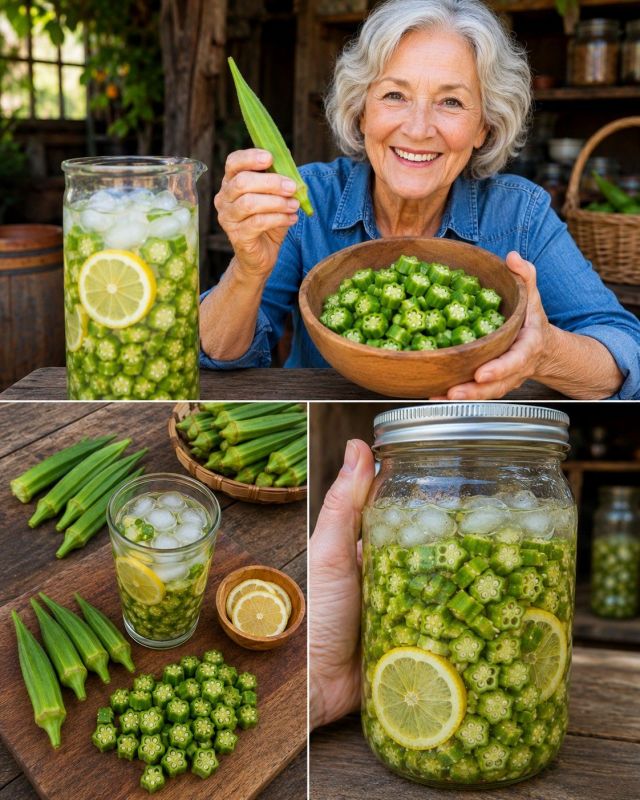
That’s where okra water comes in. This simple preparation has gained popularity as part of wellness-focused habits. In this guide, you’ll discover exactly how to make it at home, along with practical tips to incorporate it into your routine. Keep reading to uncover a complete recipe and insights that might just become your new favorite daily ritual.
What Is Okra Water and Why Is It Trending?
Okra water is simply fresh okra pods soaked in water, allowing their natural compounds to infuse into the liquid. Often called lady’s fingers, okra is a nutrient-dense vegetable enjoyed in many cuisines worldwide. When soaked, it releases a mucilaginous (slightly thick) texture that gives the water a unique, smooth quality.
This beverage has captured attention on social media and wellness circles for its ease of preparation and potential to complement a balanced lifestyle. While it’s not a miracle solution, its growing popularity stems from okra’s impressive nutritional profile, including fiber, vitamins, and antioxidants.
But that’s not all. Many people enjoy it as a low-calorie, hydrating option that feels more substantial than plain water.
Nutritional Profile of Okra Water
Okra itself is packed with goodness. A typical serving provides dietary fiber, vitamin C, vitamin A, folate, and minerals like magnesium and potassium. When infused into water, some of these water-soluble nutrients and beneficial plant compounds may transfer over, though concentrations are generally milder than eating the whole vegetable.
Research highlights okra’s soluble fiber and polyphenols, which contribute to its reputation in traditional wellness practices. Studies on okra suggest it may support aspects of metabolic health when part of an overall healthy diet, though more research specifically on the infused water is ongoing.
Key nutrients commonly associated with okra include:
- Soluble fiber (mucilage)
- Antioxidants like quercetin and polyphenols
- Vitamins A and C
- Folate and other B vitamins
These elements make okra water an interesting addition for those exploring natural beverage options.
How to Prepare Okra Water: Step-by-Step Recipe
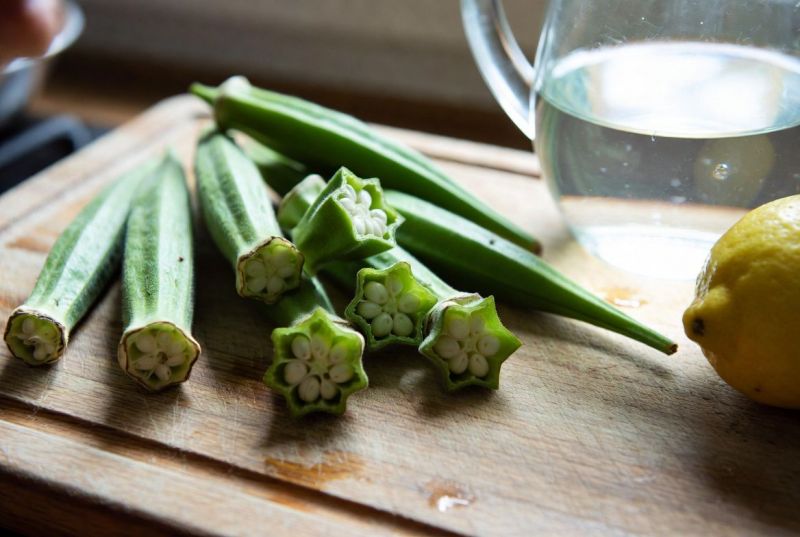
Making okra water is incredibly simple and requires minimal ingredients. Here’s a straightforward method you can try right away.
Ingredients (for about 1 liter)
- 4-6 fresh okra pods (choose firm, bright green ones)
- 1 liter of filtered or clean drinking water
- Optional: Fresh lemon slices for added flavor and a boost of vitamin C
- Optional: A small piece of ginger or mint leaves for variety
Step-by-Step Instructions
- Wash the okra thoroughly under running water to remove any dirt or residue. Pat them dry with a clean towel.
- Trim the ends and slice the pods into 1/2-inch pieces. This helps release the beneficial mucilage more effectively.
- Place the sliced okra in a clean glass jar or pitcher.
- Pour the filtered water over the okra, ensuring all pieces are submerged.
- Cover and refrigerate overnight or for at least 8-12 hours. This allows the infusion process to work its magic.
- Strain the liquid in the morning (or after soaking) using a fine mesh strainer. Discard the okra pieces or compost them.
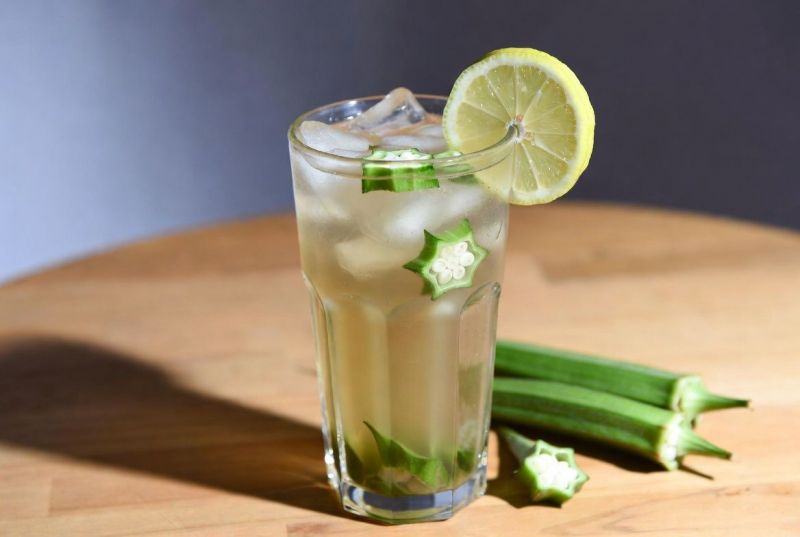
- Serve chilled, optionally adding lemon slices or a squeeze of fresh lemon juice for brightness.
This basic recipe yields a mildly flavored, slightly viscous drink. Many people drink 1-2 glasses daily as part of their morning or afternoon routine.
Pro Tip: For a stronger infusion, you can gently mash the okra pieces before soaking, but avoid over-processing to keep the drink pleasant.
Creative Variations to Keep Things Interesting
Once you’ve mastered the basic version, experiment with these ideas to match your taste preferences:
- Citrus Okra Water: Add lemon or lime slices during soaking for a refreshing tang.
- Herbal Infusion: Include fresh mint, basil, or a cinnamon stick.
- Ginger Boost: Add a few thin slices of ginger for a subtle spicy note.
- Berry Twist: A handful of berries (like strawberries) for natural sweetness and extra antioxidants.
These variations help maintain engagement with the habit while exploring different flavor profiles.
Potential Wellness Aspects Associated with Okra Water
While individual results vary and okra water is not intended to diagnose, treat, or cure any condition, here’s what some research and traditional use suggest about okra’s components.
Support for Digestion
The soluble fiber in okra may help promote feelings of fullness and support regular digestive comfort. Many people report that the mucilaginous quality feels soothing for the gut when consumed as part of a fiber-rich diet.
Hydration and Daily Wellness
Staying hydrated is foundational for energy and focus. Okra water offers a flavorful alternative to plain water that encourages more consistent intake throughout the day.
Antioxidant Properties
Okra contains compounds like flavonoids that act as antioxidants. These may help combat oxidative stress in the body when combined with a diet rich in fruits and vegetables.
Here’s a quick comparison of okra water versus other popular wellness drinks:
| Drink Option | Key Feature | Preparation Time | Calorie Level |
|---|---|---|---|
| Okra Water | Natural mucilage & fiber | Overnight soak | Very Low |
| Lemon Water | Vitamin C boost | Immediate | Low |
| Green Tea | Antioxidants | 5 minutes | Very Low |
| Cucumber Water | Mild refreshing taste | Quick infusion | Very Low |
Practical Tips for Incorporating Okra Water into Your Routine
To make this a sustainable habit:
- Prepare a fresh batch every evening so it’s ready for the next day.
- Store in the refrigerator and consume within 24-48 hours for best freshness.
- Start with smaller amounts if you’re new to the texture.
- Pair it with a balanced meal plan and regular physical activity for overall wellness.
- Listen to your body—adjust portions based on how it feels.
Consistency with small, enjoyable changes often yields the best long-term results.
Possible Considerations and Precautions
Okra water is generally well-tolerated by most people. However, those with certain sensitivities or on specific medications should consult a healthcare professional before adding new foods or drinks to their regimen. Pregnant individuals or those with gastrointestinal conditions may also want personalized advice.
The slightly slimy texture can be an adjustment for some, but adding citrus often helps improve palatability.
Conclusion: A Simple Addition to Your Wellness Journey
Okra water represents an accessible, low-effort way to explore natural beverage options that align with a health-conscious lifestyle. With its straightforward preparation and potential nutritional perks, it’s easy to see why so many are giving it a try.
By making small swaps like this, you can add variety and mindfulness to your daily hydration habits. Remember, the most effective wellness approaches combine enjoyable routines with balanced nutrition and professional guidance when needed.
Frequently Asked Questions
1. How long does okra water last in the fridge?
It’s best consumed within 24-48 hours. Prepare fresh batches regularly for optimal taste and quality.
2. Can I drink okra water every day?
Many people enjoy it daily as part of a varied diet. Start slowly and monitor how your body responds.
3. Does the taste of okra water improve over time?
The flavor is mild and earthy initially. Adding lemon, ginger, or herbs can make it more appealing right away.
Disclaimer: This article is for informational and educational purposes only. It is not a substitute for professional medical advice, diagnosis, or treatment. Always consult with a qualified healthcare provider before making significant changes to your diet or wellness routine, especially if you have underlying health conditions or are taking medications.