Many people worry about keeping their blood sugar levels steady throughout the day. The constant ups and downs can leave you feeling tired, irritable, and concerned about long-term wellness. This is especially true for those managing daily fluctuations through diet and lifestyle. But what if a common vegetable already sitting in your pantry could offer some gentle support?
That’s where red onions come in. In this article, we’ll explore the natural compounds in red onions and how incorporating them into your routine might fit into a balanced approach to wellness. Stick around until the end for a straightforward recipe that highlights this everyday ingredient in a new way.
Why Red Onions Stand Out for Wellness
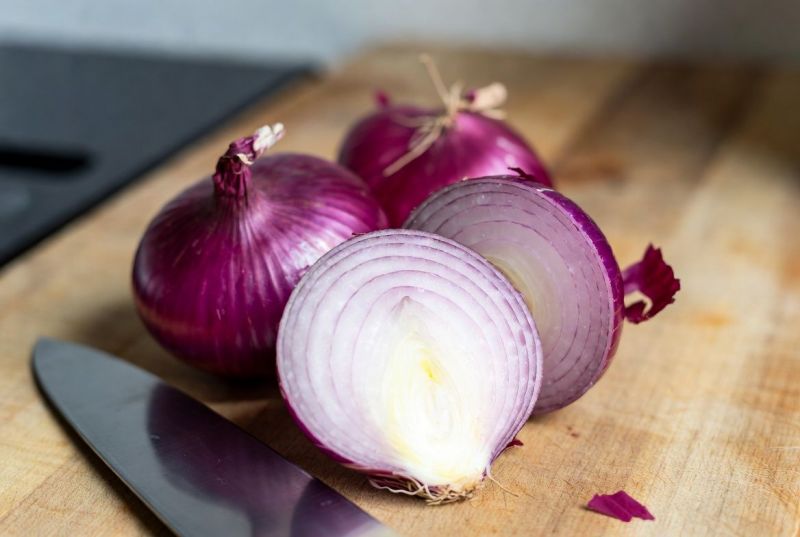
Red onions, also known as purple onions, are more than just a flavorful addition to salads and stir-fries. They pack a variety of beneficial plant compounds. One of the stars is quercetin, a flavonoid antioxidant concentrated in the outer layers and skins.
Research suggests these compounds may play a role in how the body handles glucose. While results vary, some studies point to potential supportive effects when onions are consumed regularly as part of a healthy diet.
But that’s not the whole story. The fiber and sulfur-containing compounds in onions add another layer of interest for overall metabolic health.
What the Research Suggests About Onions and Blood Sugar
Several preliminary studies have looked at onions’ effects on glucose levels. In small human trials, consuming around 100 grams of raw red onion was associated with modest changes in fasting blood sugar readings after a few hours in participants with diabetes.
Animal studies have shown more pronounced effects. For example, rats given onion powder in their diet sometimes displayed lower fasting blood sugar and improved lipid profiles over weeks.
Quercetin appears to support several mechanisms:
- Helping improve insulin sensitivity in cells
- Supporting antioxidant defenses that protect against oxidative stress
- Potentially slowing carbohydrate digestion
Keep in mind these findings are from early research. Larger, long-term human studies are still needed. Onions are not a replacement for medical advice or prescribed treatments but can be a tasty part of a balanced plate.
Nutritional Profile That Makes Red Onions Special
Red onions deliver a lot in a low-calorie package. Here’s what you get in a typical serving:
- Quercetin and flavonoids: Potent antioxidants
- Fiber: Supports digestion and steady energy
- Sulfur compounds: Like allyl propyl disulfide, studied for metabolic effects
- Vitamins: Including vitamin C and B vitamins
- Low glycemic impact: Naturally fits many eating patterns
These nutrients work together, which is why whole foods often provide broader benefits than isolated extracts.
Simple Red Onion Recipe for Daily Wellness
Here’s an easy way to incorporate more red onions inspired by traditional preparations. This recipe focuses on fresh ingredients and minimal processing.
Ingredients (makes about 2-3 servings):
- 2-3 medium red onions
- 1-2 cups filtered water (or coconut water for flavor)
- Optional: small piece of fresh ginger, lemon juice, or a pinch of cinnamon for taste
Step-by-Step Preparation:
- Peel the outer dry layers of the red onions (save them for broths if you like).
- Chop or blend the onions roughly.
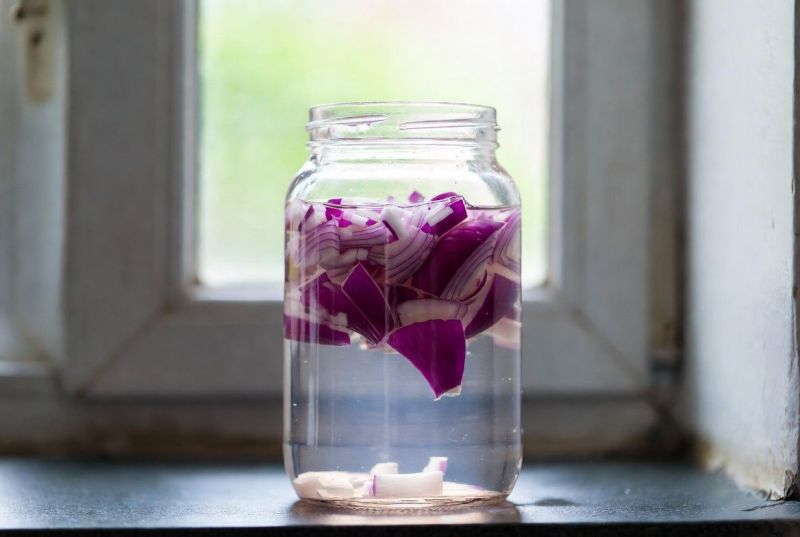
- Combine with water in a jar or blender. Let it steep in the refrigerator for 4-8 hours or overnight for milder flavor.
- Strain the liquid and sip small amounts throughout the day.
- Start with ½ to 1 cup daily and see how your body responds.
Pro tip: Fresh is best. Prepare a new batch every 1-2 days and store in the fridge.
This method extracts some of the beneficial compounds into a drinkable form while keeping things simple and natural.

Additional Ways to Enjoy Red Onions Daily
Don’t limit yourself to juice. Variety keeps things sustainable:
- Add raw slices to salads for maximum quercetin
- Lightly sauté in olive oil as a side dish
- Include in soups, stews, or omelets
- Roast whole onions for sweeter flavor
Here are practical tips to make onions a habit:
- Keep a bowl of chopped red onions ready in the fridge
- Pair with other supportive foods like leafy greens or berries
- Track how you feel after consistent inclusion for a couple of weeks
- Combine with regular movement and balanced meals
Potential Benefits Beyond Blood Sugar Support
People who add more onions often notice other perks:
- Better digestive comfort from the prebiotic fiber
- Enhanced flavor in meals, reducing need for excess salt or sugar
- Antioxidant boost that supports overall vitality
One study highlighted how onion compounds may support heart health markers too, making them a smart all-around choice.
Common Questions About Red Onions and Wellness
How much red onion should I eat for potential benefits?
Studies often used 50-100 grams daily. Start small and build up based on your tolerance.
Is red onion better than white or yellow?
Red varieties tend to have higher quercetin levels due to their color pigments, but all onions offer value.
Can I drink onion juice every day?
Many people do so without issue, but listen to your body. If you have digestive sensitivity, dilute it or consume with meals.
Will this replace my medication?
No. Always consult your healthcare provider before making significant diet changes, especially if managing a health condition.
Making This Part of Your Lifestyle
Incorporating red onions is about building sustainable habits rather than quick fixes. Focus on consistency, enjoyment, and pairing with other healthy choices like staying hydrated, getting quality sleep, and staying active.
Small changes in the kitchen can add up over time to support how you feel day to day.
Ready to try something new in your routine? Experiment with the recipe above this week and notice any subtle shifts in your energy or cravings. Share your experience in the comments—we love hearing how simple ingredients make a difference for readers.
Disclaimer: This article is for informational purposes only and is not intended as medical advice. The information provided should not be used to diagnose, treat, or prevent any health condition. Always consult with a qualified healthcare professional before making changes to your diet or lifestyle, particularly if you have diabetes or other medical concerns. Individual results may vary.