Many seniors notice occasional leg cramps or foot discomfort that seems to appear more often in the evening or after a long day. These sensations can interrupt sleep and make simple daily activities feel more challenging. The good news is that certain everyday foods naturally contain magnesium, a mineral known for playing a role in normal muscle and nerve function. In this article, you will discover practical ways to include magnesium-rich options in your meals. Keep reading until the end to learn a simple daily approach that many people find helpful.

Why Magnesium Matters for Muscle Comfort as We Age
As we get older, our bodies may not absorb nutrients quite as efficiently as before. Magnesium helps muscles relax and contract normally. Research suggests that many adults, especially those over 60, consume less magnesium than recommended. This can sometimes contribute to feelings of tightness or cramping in the legs and feet.
But that’s not the full picture. The foods we choose each day can make a real difference in supporting overall muscle health. Let’s explore five excellent sources that are easy to add to your routine.
1. Leafy Green Vegetables Like Spinach and Kale
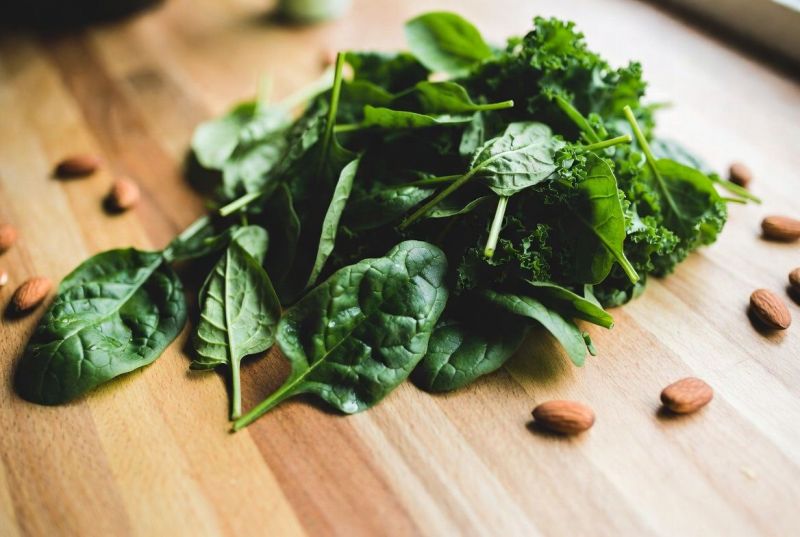
Leafy greens are one of the most accessible magnesium powerhouses. A single cup of cooked spinach delivers a meaningful amount of this mineral along with other supportive nutrients.
Simple ways to enjoy them:
- Add a handful of fresh spinach to morning smoothies
- Sauté kale with garlic as a side dish for dinner
- Mix chopped greens into scrambled eggs or soup
Many seniors find that preparing these vegetables in advance makes it easier to include them regularly.
2. Nuts and Seeds, Especially Almonds and Pumpkin Seeds
A small handful of almonds or pumpkin seeds provides a satisfying crunch and a solid magnesium boost. These foods also offer healthy fats that help with overall satisfaction.
Practical tips:
- Keep a small container of mixed nuts by your chair for an afternoon snack
- Sprinkle pumpkin seeds over yogurt or oatmeal
- Try almond butter on whole-grain toast for breakfast
Portion control is easy — just 1 ounce (about 23 almonds) goes a long way.
3. Avocados — Creamy and Versatile
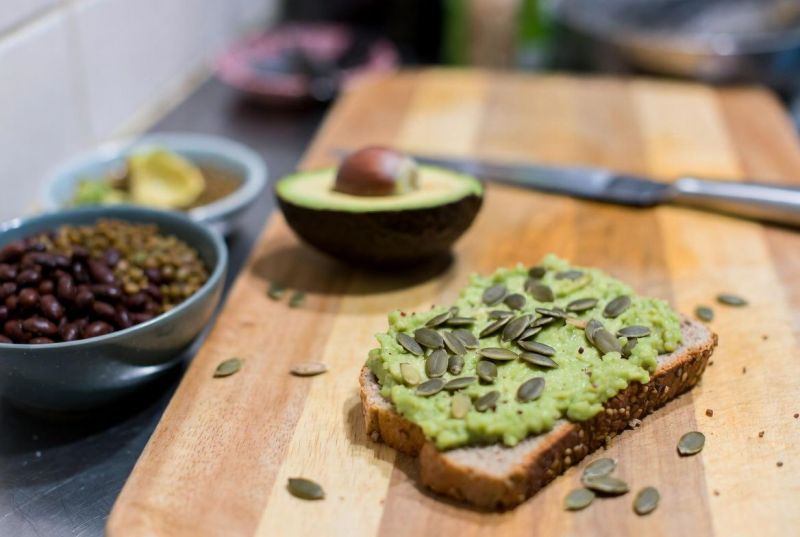
Avocados are not only rich in magnesium but also provide potassium, which works together with magnesium for muscle support. Their smooth texture makes them especially appealing for seniors who prefer softer foods.
Everyday ideas:
- Mash half an avocado onto toast
- Blend into a simple salad dressing
- Add slices to sandwiches or omelets
One medium avocado can contribute a significant portion of your daily magnesium needs.
4. Whole Grains Such as Brown Rice and Oats
Whole grains retain more natural magnesium than refined versions. Starting the day with oatmeal or enjoying brown rice at lunch supports steady energy and muscle comfort.
Easy preparations:
- Overnight oats with a sprinkle of seeds and fruit
- Brown rice bowls topped with vegetables and beans
- Whole-grain bread for sandwiches
These options are budget-friendly and widely available.
5. Legumes Including Black Beans and Lentils
Beans and lentils are affordable, shelf-stable, and packed with magnesium plus fiber. They make excellent bases for hearty meals that keep you full longer.
How to use them:
- Add lentils to vegetable soup
- Make a simple black bean salad with tomatoes and herbs
- Blend cooked beans into dips or spreads
Canned versions (rinsed well) work great when you’re short on time.
Here’s a quick comparison table:
| Food | Approx. Magnesium per Serving | Easy Serving Ideas | Extra Benefits |
|---|---|---|---|
| Cooked Spinach | 150+ mg | Smoothies, sautés | Iron, vitamins A & K |
| Almonds (1 oz) | 80 mg | Snacks, nut butter | Healthy fats, vitamin E |
| Avocado (medium) | 60 mg | Toast, salads | Potassium, creamy texture |
| Cooked Black Beans | 120 mg | Soups, salads | Protein, fiber |
| Pumpkin Seeds (1 oz) | 150 mg | Toppings, snacks | Zinc, antioxidants |
How to Create a Simple Daily Magnesium-Supporting Routine
Building better habits doesn’t need to be complicated. Here’s a straightforward 7-day starter plan many readers have found useful:
- Morning: Start with oatmeal topped with almonds and a few slices of banana.
- Midday: Add spinach or kale to your lunch plate.
- Afternoon: Enjoy a small handful of pumpkin seeds or a piece of dark chocolate (70% cocoa or higher).
- Evening: Include beans or lentils in your dinner at least 4 times per week.
- Bonus: Consider a magnesium-rich smoothie with avocado and greens on busy days.
Consistency matters more than perfection. Small changes repeated daily often lead to the best feelings of comfort over time.
But here’s the part many people find most surprising…
Beyond Food: Lifestyle Habits That Work Together With Magnesium-Rich Meals
Staying well-hydrated supports mineral balance. Gentle stretching before bed, comfortable walking during the day, and wearing supportive shoes can all complement your nutrition efforts. Some seniors also find warm Epsom salt foot soaks relaxing, though results vary from person to person.
Studies published in respected journals have observed associations between adequate magnesium intake and better muscle function in older adults. While individual experiences differ, focusing on whole foods remains one of the safest and most sustainable approaches.
Common Questions About Magnesium and Muscle Comfort in Seniors
Q: Can I get enough magnesium from food alone?
Many people can meet their needs through diet when they include a variety of the foods mentioned above. Those with very restricted diets may want to discuss options with their healthcare provider.
Q: Are there any foods I should limit?
Excessive alcohol and very high caffeine intake can sometimes affect magnesium levels. Moderation is generally the best approach.
Q: How long before I might notice changes?
Everyone’s body responds differently. Many people report feeling better within a few weeks of consistent healthier eating habits, but results are not guaranteed and vary widely.
Final Thoughts
Supporting healthy muscle function as you age is possible with simple, enjoyable food choices. By including more magnesium-rich foods like spinach, almonds, avocados, beans, and seeds, you give your body helpful building blocks every single day. Start small, stay consistent, and listen to how your body feels.
Remember to consult with your doctor or a registered dietitian before making significant changes to your diet, especially if you have existing health conditions or take medications. This article is for informational purposes only and is not medical advice.
Disclaimer: The information provided here is based on general nutritional knowledge and published research. It is not intended to diagnose, treat, cure, or prevent any health condition. Always seek personalized advice from qualified healthcare professionals.