Many people worry about how everyday choices affect their long-term wellness, especially when it comes to diet. With so much conflicting information online, it’s easy to feel overwhelmed about what ends up on your plate. Research continues to explore how certain dietary patterns may influence inflammation, cell growth, and overall health risks, including those related to cancer development.
The good news? Small, informed adjustments to your habits can make a real difference over time. In this article, we’ll look at five foods commonly associated with increased cancer risk according to various studies. We’ll explore why experts recommend moderation and share practical tips you can try right away. Keep reading to discover simple swaps that support a healthier lifestyle.
Why Certain Foods Raise Concerns
Our bodies rely on a balanced diet to function well. However, frequent consumption of some highly processed or nutrient-poor items may contribute to conditions like chronic inflammation, insulin resistance, or excess body weight—factors linked to higher cancer risk in population studies.
But here’s what many people miss: It’s rarely about one single food. The overall pattern matters most. Understanding the science helps you make confident choices without extreme restrictions.
1. Processed Meats (Bacon, Sausages, Hot Dogs, and Deli Meats)
Processed meats rank high on many experts’ lists due to their links with colorectal and other cancers. These items often contain nitrates, nitrites, and high levels of salt that can form compounds potentially harmful in large amounts over years.
Studies, including those reviewed by the World Health Organization, classify processed meat as a carcinogen when consumed regularly. One reason is the way these foods are preserved and cooked, which can produce substances that damage cells.
Practical tips to reduce intake:
- Choose fresh poultry, fish, or plant-based proteins like beans and lentils more often.
- Use herbs, spices, or homemade marinades to flavor meals instead of relying on cured meats.
- Opt for nitrate-free options occasionally, but still enjoy them in true moderation.
2. Sugary Drinks and Foods High in Added Sugars
From sodas to candies and baked goods, excessive added sugars contribute to weight gain and elevated insulin levels, creating an environment that may support unhealthy cell changes.
Research shows that diets high in fructose and refined sugars correlate with increased risks for several cancers. These foods provide quick energy but little nutrition, often displacing healthier options.
Here’s a quick comparison:
| Food Type | Common Examples | Why Limit It |
|---|---|---|
| Sugary Drinks | Soda, energy drinks, sweetened coffee | Promotes rapid blood sugar spikes and inflammation |
| Sweet Snacks | Candy, pastries, flavored yogurt | Low fiber, high calories, minimal nutrients |
Actionable step: Replace one sugary drink per day with water infused with fresh lemon, cucumber, or berries. Over weeks, this small change adds up.
3. Red Meat (Beef, Pork, Lamb)
While red meat provides protein and iron, high consumption—especially when charred or eaten daily—has been associated with higher risks of colorectal cancer in large-scale reviews.
Compounds formed during high-heat cooking or digestion of heme iron may play a role. The key is portion size and preparation method.
Better approaches:
- Limit red meat to no more than 18 ounces (about 3 servings) per week.
- Choose lean cuts and pair them with plenty of vegetables.
- Grill smarter by marinating first and avoiding direct flame contact that causes charring.
4. Alcohol
Even moderate drinking raises concerns for multiple cancer types, including breast, liver, and colorectal. Alcohol metabolizes into acetaldehyde, a substance that can damage DNA.
No amount is considered completely risk-free according to health authorities. This one surprises many people who view social drinking as harmless.
Simple strategies:
- Set non-drinking days during the week.
- Alternate alcoholic beverages with sparkling water.
- Explore flavorful mocktails using fresh herbs and fruits.
5. Ultra-Processed Foods and Fried Items
Chips, fast food, packaged snacks, and deep-fried foods often combine refined carbs, unhealthy fats, and additives. Regular intake links to obesity and inflammation, both tied to elevated cancer risk.
These foods are designed to be hyper-palatable, making it easy to overeat without realizing it.
Everyday swaps that work:
- Snack on fresh fruit, nuts, or veggie sticks with hummus instead.
- Bake or air-fry foods rather than deep-frying.
- Read labels and choose items with short, recognizable ingredient lists.
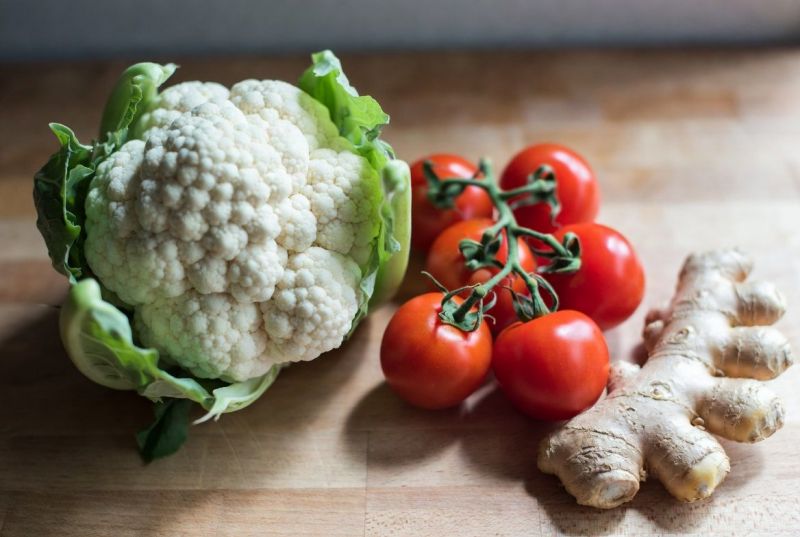
But that’s not all… One surprising vegetable often caught in viral claims actually stands out for its potential protective compounds. Cruciferous options like cauliflower contain sulforaphane and other phytochemicals studied for their role in supporting healthy cell function.
How to Build a Supportive Daily Routine
Making these changes doesn’t mean giving up flavor. Focus on whole foods: colorful vegetables, fruits, whole grains, and healthy proteins. Aim for a plate that’s at least half vegetables at most meals.
Step-by-step weekly plan:
- Plan two meatless days using beans or lentils.
- Prepare a big batch of roasted vegetables (including cauliflower) for easy sides.
- Swap sugary drinks for herbal teas or infused water.
- Choose baking or steaming over frying.
- Include a variety of colors in your meals for diverse nutrients.
Research consistently shows that diets rich in plant foods align with lower risks across many health markers.

Common Questions About Diet and Cancer Risk
FAQ 1: Does eating one “bad” food mean I’m at high risk?
No. Occasional treats are part of life. Risk relates more to long-term habits than any single meal. Focus on overall patterns.
FAQ 2: Are all processed foods equally concerning?
Not necessarily. Minimally processed items like canned beans or frozen vegetables are different from ultra-processed snacks loaded with additives. Check labels for whole-food ingredients.
FAQ 3: What about natural sugars in fruit?
Whole fruits are generally beneficial due to fiber, vitamins, and antioxidants. The issue is concentrated added sugars in processed items.
Final Thoughts
Paying attention to these five categories—processed meats, sugary items, red meat, alcohol, and ultra-processed foods—can empower you to support your body’s natural balance. Small, consistent choices often lead to the biggest improvements in how you feel day to day.
Remember, this information comes from broad research and is for educational purposes only. Everyone’s body is unique, so consult with a qualified healthcare professional for personalized advice tailored to your health needs.
Disclaimer: This article is for informational purposes and does not constitute medical advice. Always speak with your doctor before making significant dietary changes, especially if you have existing health conditions.