Many people add garlic to their meals every day for its bold flavor and reputation as a kitchen staple. But for some, that same ingredient can trigger discomfort or raise concerns when combined with certain health situations. If you’ve ever felt uneasy after eating garlic-heavy dishes, you’re not alone. Research and health experts highlight that while garlic offers benefits for many, it can irritate the body in specific cases.
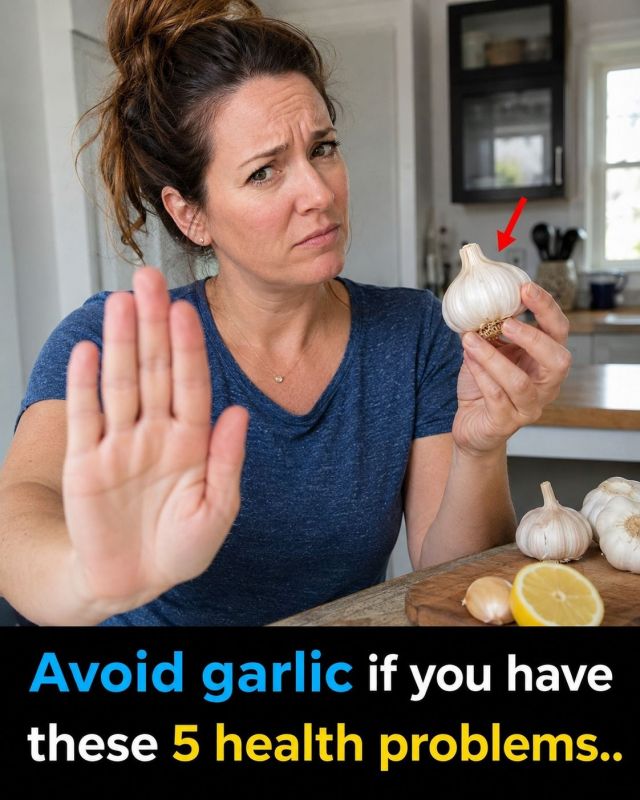
In this guide, we’ll explore practical information about when it might be smart to limit or skip garlic. You’ll discover simple ways to enjoy food safely while keeping your wellness in mind. Keep reading because there’s a surprising tip at the end that could change how you approach your next meal.
Why Garlic Affects Some People Differently
Garlic contains natural compounds like allicin and sulfur-based elements that give it its pungent aroma and potential effects on the body. For most individuals, moderate amounts in cooking are perfectly fine. However, these same compounds can interact with certain body systems in ways that lead to noticeable effects.
Understanding your personal health context helps you make informed choices without unnecessary restrictions. Let’s break down the key situations where paying closer attention makes sense.
1. Bleeding Disorders or Blood-Thinning Medications
One important consideration involves how garlic influences blood clotting. Studies suggest that garlic’s natural properties may have a mild blood-thinning effect, which could be relevant for people with bleeding disorders or those taking anticoagulant medications.
This doesn’t mean garlic is forbidden, but awareness helps prevent unwanted interactions. Healthcare professionals often recommend discussing intake levels, especially around medical procedures.
Practical Tips for This Situation:
- Talk with your doctor about your garlic consumption habits.
- Consider reducing raw garlic before scheduled surgeries (typically 7-10 days prior).
- Opt for cooked garlic in smaller amounts when approved.
2. Acid Reflux, GERD, or Digestive Sensitivity
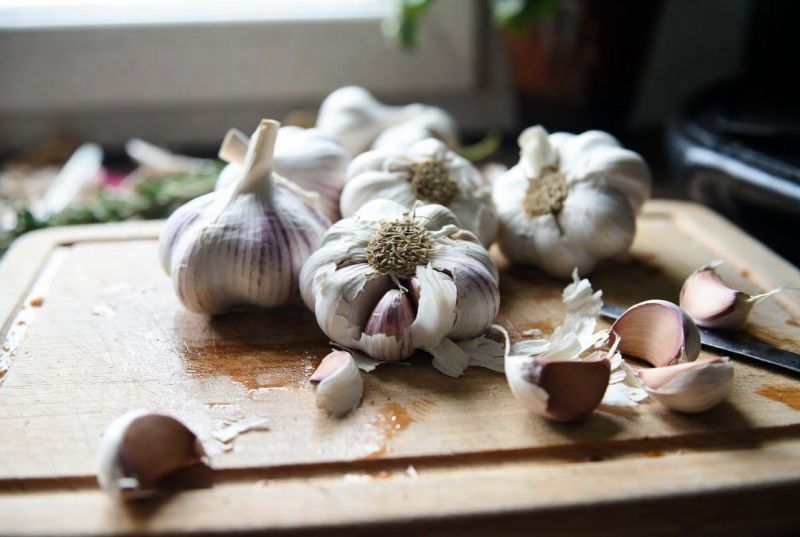
Many people notice heartburn or stomach discomfort after enjoying garlic. Its compounds can relax the lower esophageal sphincter and irritate the digestive lining in sensitive individuals, particularly those dealing with gastroesophageal reflux disease (GERD) or similar issues.
This reaction varies from person to person — some tolerate cooked garlic well while raw forms cause more noticeable effects.
Signs It Might Be Affecting You:
- Burning sensation in the chest after meals
- Increased bloating or gas
- Discomfort when eating on an empty stomach
If these sound familiar, experimenting with smaller portions or well-cooked preparations can make a difference.
3. Garlic Allergies or Sensitivities
Though uncommon, some individuals experience allergic responses to garlic. Symptoms might include skin reactions, digestive upset, or in rare cases more noticeable responses.
Cross-reactivity with other allium family members like onions or leeks is also possible for those with sensitivities.
What to Watch For:
- Itchy skin or rashes
- Swelling or breathing discomfort (seek medical help immediately if this occurs)
- General digestive unease after exposure
Reading labels carefully and informing restaurants about your needs supports safer eating experiences.
4. Low Blood Pressure Concerns
Garlic is sometimes associated with supporting healthy blood pressure levels, which is great for many. However, for people already managing low blood pressure, additional effects could lead to dizziness or lightheadedness in some cases.
Moderation and monitoring become key here.
5. Upcoming Surgery or Specific Medication Interactions
Beyond bleeding risks, garlic may interact with certain medications for blood sugar, blood pressure, or HIV treatments. Healthcare providers recommend caution around surgical procedures due to potential effects on clotting and blood pressure.
Always share your full dietary habits with your medical team for personalized guidance.
Comparison: Cooked vs. Raw Garlic Effects
| Preparation | Potential Benefits | Considerations for Sensitive Individuals |
|---|---|---|
| Raw Garlic | Stronger compound activity | Higher chance of digestive irritation or heartburn |
| Cooked Garlic | Milder flavor, easier on stomach | Generally better tolerated, reduced intensity of effects |
| Supplements | Concentrated form | Stronger potential for interactions — consult a professional |
This table highlights why preparation method matters significantly.
Actionable Tips You Can Use Today
Here are straightforward steps to manage garlic in your routine safely:
- Start Small: Test small amounts of cooked garlic and note how your body responds over a few days.
- Cooking Methods: Roasting or sautéing garlic often reduces its pungent compounds, making it gentler on the system.
- Alternatives: Try herbs like ginger, basil, or chives for flavor without the same concerns.
- Timing Matters: Avoid consuming large amounts on an empty stomach if you have digestive sensitivities.
- Track Your Intake: Keep a simple food journal to identify personal triggers.
But that’s not the whole story…
The Bigger Picture: Balance and Moderation
Most people enjoy garlic regularly without issues. The key lies in listening to your body and working alongside healthcare providers for any ongoing conditions. Research continues to explore garlic’s role in daily wellness, but individual responses always guide the best approach.
Frequently Asked Questions
Can I eat garlic if I have mild heartburn occasionally?
Many people with occasional discomfort tolerate small amounts of cooked garlic. Start with tiny portions and see how you feel. If symptoms persist, consult your healthcare provider.
Is garlic powder safer than fresh garlic?
Processed forms may be milder for some, but they still contain the active compounds. Individual tolerance varies — test carefully.
What should pregnant women know about garlic?
Normal food amounts are generally considered fine, but high supplemental doses warrant discussion with a doctor.
This information is for educational purposes only and is not a substitute for professional medical advice. Always consult with a qualified healthcare provider before making changes to your diet, especially if you have existing health conditions or take medications.