Many adults over 60 notice their lower body strength gradually changing, making everyday movements like climbing stairs, standing from a chair, or walking longer distances feel more challenging. This can lead to less confidence, reduced activity, and even worries about balance and independence. The good news is that research suggests certain nutrients, combined with gentle habits, can help support muscle function and overall vitality in the lower body as we age.

In this guide, you will find practical, everyday tips to nourish and strengthen your legs and glutes naturally. Keep reading to uncover easy steps you can start today for feeling more steady and energetic.
Why Lower Body Strength Matters More as We Age
As years pass, natural changes in muscle mass and bone density can affect the glutes, thighs, and calves. These muscles play a key role in balance, posture, and daily tasks. Studies indicate that maintaining strength here supports better mobility and reduces fall risk.
But that’s not all. Simple nutritional choices can make a noticeable difference when paired with light movement.
Key Nutrients That May Help Support Muscle Health in Seniors
Research highlights several vitamins and minerals important for muscle function. Vitamin D stands out because it helps the body use calcium effectively and supports muscle performance. Many older adults have lower levels due to less sun exposure or dietary changes.
Other supportive nutrients include:
- Protein: Essential for muscle repair and maintenance.
- Magnesium: Helps with muscle relaxation and energy production.
- B vitamins, especially B12: Important for nerve health and energy.
Here is a quick comparison table of food sources:
| Nutrient | Why It Helps | Easy Food Sources |
|---|---|---|
| Vitamin D | Supports muscle strength | Fatty fish, fortified dairy, sunlight |
| Magnesium | Aids muscle function | Nuts, seeds, leafy greens |
| Protein | Builds and repairs tissue | Eggs, lean meats, beans, yogurt |
| B12 | Supports energy and nerves | Fish, eggs, fortified cereals |
Natural Habits to Boost Lower Body Support
You do not need fancy equipment or strict diets. Small, consistent changes work best.
Try these actionable steps:
- Start your day with a nutrient-rich breakfast. Add fortified cereal or yogurt with seeds for magnesium and protein.
- Spend 10-15 minutes outdoors in natural light most days to help your body produce vitamin D safely.
- Include fatty fish like salmon twice a week or choose fortified options if preferred.
- Stay hydrated – water helps transport nutrients to muscles.
- Incorporate gentle strength movements like sitting to standing several times daily.
But there is more you can do right in your kitchen.
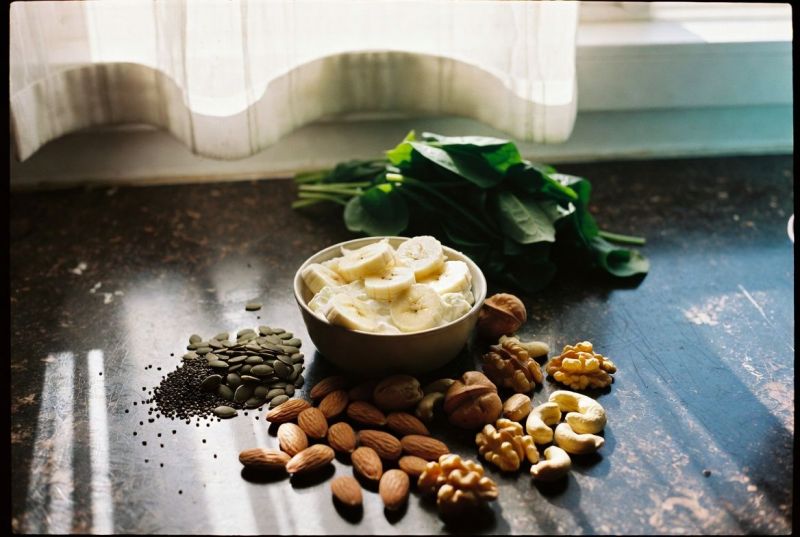
Everyday Ingredients for Lower Body Wellness
Focus on whole foods that provide building blocks for muscles. Garlic, ginger, and certain seeds appear in many traditional wellness routines and offer antioxidants that may support overall health.
- Sprinkle pumpkin or chia seeds on meals for magnesium and healthy fats.
- Enjoy bananas or potatoes for potassium, which works with other minerals for muscle contractions.
- Add leafy greens to soups or smoothies for a variety of vitamins.
Here is a simple daily routine many find helpful:
- Morning: A handful of nuts with yogurt.
- Midday: A salad with greens, eggs, and olive oil.
- Evening: Baked fish or beans with vegetables.
Simple Exercises to Pair With Nutrition
Movement complements nutrition beautifully. These beginner-friendly options target glutes and legs safely.
- Chair Squats: Stand in front of a sturdy chair, lower yourself slowly as if sitting, then stand. Repeat 8-10 times.
- Seated Leg Lifts: While sitting, extend one leg straight out and hold briefly. Alternate sides.
- Wall Push for Glutes: Stand with back against a wall and gently press heels down while squeezing glutes.
Perform these a few times per week, starting slow. Always listen to your body and consult a professional if needed.
More Tips for Long-Term Vitality
Consistency beats intensity. Combine these habits with good sleep and stress management for better results. Research suggests that pairing nutrition with activity yields the best outcomes for maintaining strength.
Many people notice improved energy and steadiness after a few weeks of steady habits.

Frequently Asked Questions
What is the best vitamin for supporting leg strength in older adults?
Vitamin D often receives attention in studies for its role in muscle function, but results vary by individual. Focus on a balanced diet and discuss testing with your doctor.
Can diet alone help maintain glute and leg muscles?
Yes, nutrient-dense foods combined with light daily movement can make a positive difference. Supplements may help fill gaps when recommended by a healthcare provider.
How soon might I notice changes from these habits?
Some people feel more energetic within weeks, while strength improvements often build gradually over months with consistency.
Disclaimer: This article is for informational purposes only and is not intended as medical advice. Always consult your healthcare provider before making changes to your diet, exercise routine, or starting any supplements, especially if you have existing health conditions.