Many people today are searching for simple, natural ways to support their overall health and energy levels amid busy lifestyles and everyday stresses. The constant demands of modern life can leave us feeling drained, and it’s natural to wonder about time-tested ingredients that might help promote balance and vitality.

That’s where a humble root like American ginseng comes in. In this article, we’ll explore its background, potential wellness benefits based on available research, and practical ways to incorporate it into your routine.
What Is American Ginseng and Why Is It So Talked About?
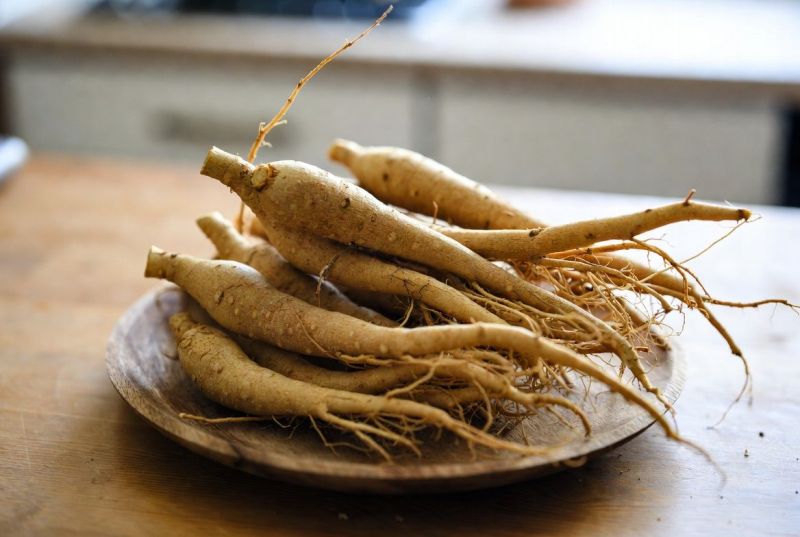
American ginseng (Panax quinquefolius) is a perennial herb native to North America. For centuries, indigenous communities and traditional herbal practices have valued its roots for their adaptogenic properties—meaning they may help the body adapt to stress.
Unlike its Asian cousin, American ginseng is often described as having a more cooling and calming profile. This makes it a popular choice for those looking to support daily wellness without overstimulation.
Key characteristics that make it unique:
- Rich in ginsenosides, natural compounds studied for their potential effects on the body.
- Traditionally prepared as teas, tinctures, or added to foods.
- Sourced sustainably when choosing reputable suppliers.
But that’s just the beginning. Let’s dive deeper into what the science suggests.
Promising Research on Ginseng and Cellular Health
Research into ginseng has grown significantly. Laboratory and animal studies have explored how its active compounds, particularly ginsenosides, interact with various biological processes.
Some preclinical research indicates that certain ginsenosides may influence cell signaling pathways related to oxidative stress and inflammation—two areas many people want to manage for long-term wellness. However, it’s important to note that results from test tubes or animals don’t always translate directly to humans, and more high-quality clinical studies are needed.
One area of interest is its potential role in supporting energy and reducing fatigue. A notable study associated with Mayo Clinic found that American ginseng helped some participants experience less cancer-related fatigue, highlighting its adaptogenic reputation in supportive care contexts.
How Ginseng May Support Everyday Wellness
Here are some of the most commonly studied areas where ginseng shows potential:
- Energy and Fatigue Management: Many turn to it for a natural lift without the jitters of caffeine.
- Immune Function: Preliminary findings suggest it may help modulate immune responses.
- Cognitive Support: Some research points to benefits for focus and mental clarity.
- Antioxidant Properties: Ginsenosides are known for helping combat oxidative stress in the body.
Quick Comparison of Ginseng Types
| Aspect | American Ginseng | Asian Ginseng |
|---|---|---|
| Energy Profile | Calming, cooling | More stimulating |
| Common Use | Daily wellness, stress support | Energy boost, vitality |
| Ginsenoside Balance | Higher in certain calming types | Higher in invigorating types |
| Best For | Evening routines or sensitive users | Morning or active lifestyles |
This balance is why many wellness enthusiasts prefer American ginseng for gentle, sustained support.
Simple Recipe: How to Make a Soothing Ginseng Tea at Home
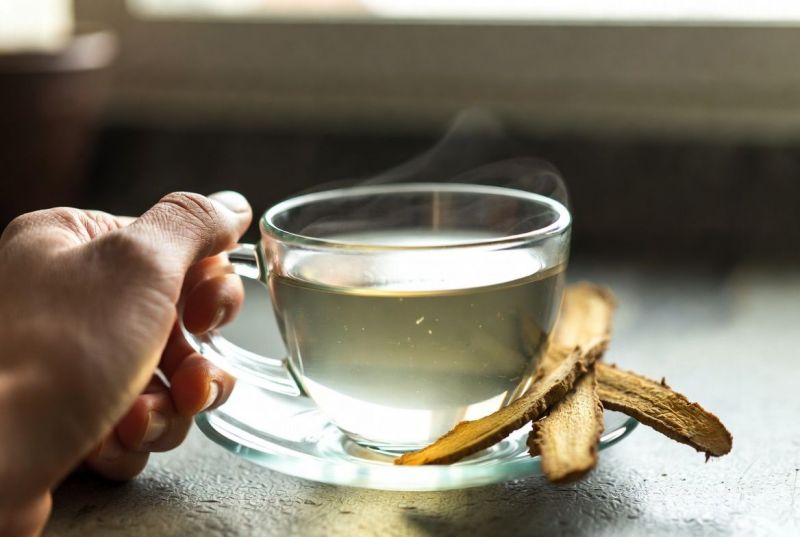
One of the easiest and most traditional ways to enjoy ginseng is as a warm tea. Here’s a straightforward recipe you can try today:
- Choose Quality Roots: Look for dried American ginseng slices or whole roots from trusted sources. Aim for organic when possible.
- Prepare the Ingredients: Use 1–2 grams of sliced ginseng root per cup of water. Add optional slices of fresh ginger or a touch of honey for taste.
- Simmer Gently: Bring water to a gentle boil, then reduce heat and simmer the ginseng for 20–30 minutes. This helps extract the beneficial compounds.
- Strain and Enjoy: Pour into your favorite mug. Drink warm, once or twice daily as part of your routine.
- Storage Tip: Make a larger batch and store in the fridge for up to 2 days—reheat gently before sipping.
Pro Tip: Start with a lower amount to see how your body responds. Consistency over weeks often yields the best personal results according to traditional use.
But that’s not all—there are more creative ways to include it.
Additional Ways to Incorporate Ginseng Into Your Lifestyle
- Add powdered ginseng to smoothies or oatmeal for a subtle boost.
- Combine with other adaptogens like ashwagandha or holy basil in herbal blends.
- Use in soups or broths during cooler months for warming nourishment.
Many people report feeling more balanced after making these small changes part of their daily habits.
Important Considerations Before Adding Ginseng
While generally well-tolerated, ginseng may interact with certain medications, such as blood thinners or diabetes treatments. It’s wise to consult with a healthcare provider before starting any new supplement, especially if you have existing health conditions or are pregnant.
Quality matters too—choose products tested for purity to avoid contaminants.
Frequently Asked Questions
How long does it typically take to notice effects from ginseng tea?
Many people report subtle changes in energy and well-being within a few weeks of consistent use, though individual results vary.
Can I drink ginseng tea every day?
Yes, for most healthy adults, moderate daily use is common in traditional practices, but listen to your body and take breaks if needed.
Is American ginseng different from Korean red ginseng?
Absolutely—American ginseng tends to be milder and more suitable for long-term daily support compared to the stronger Asian varieties.
Wrapping Up: A Simple Addition Worth Exploring
American ginseng offers an intriguing option for those interested in natural wellness support. From its rich history to ongoing scientific interest, this root continues to earn attention for its potential to promote balance and vitality in everyday life.
Consider trying the simple tea recipe and see how it fits into your routine. Small, consistent habits often make the biggest difference.
Disclaimer: This article is for informational purposes only and is not intended to diagnose, treat, cure, or prevent any disease. Always consult with a qualified healthcare professional before making changes to your diet or supplement regimen, especially if you have medical conditions or take medications.