Many people who enjoy bread as part of their meals notice energy crashes and fluctuations after eating. Refined white bread often leads to quick rises in blood sugar followed by drops that leave you feeling tired and hungry again. This pattern can make maintaining balanced energy throughout the day more challenging, especially with busy lifestyles.

The good news is that certain bread choices, rich in fiber, whole grains, and beneficial preparation methods, can make a noticeable difference in how your body handles carbohydrates. In this article, we explore five breads that more people are turning to for everyday meals. Keep reading to uncover practical tips and the one unexpected combination that stands out the most.
Why Bread Choices Matter for Blood Sugar Balance
Bread is a staple food for many cultures, but not all loaves affect your body the same way. The key lies in the glycemic index (GI) — a measure of how quickly a food raises blood sugar levels. Lower GI options release energy more gradually thanks to higher fiber content and slower digestion.
Research suggests that swapping refined breads for those made with whole or sprouted grains can lead to more stable responses after meals. Factors like fermentation, added seeds, and intact grains play important roles in this process.
1. Sprouted Grain Bread: A Nutrient-Dense Option
Sprouted grain breads, such as varieties like Ezekiel bread, are made from grains that have begun to sprout before being milled. This process can help break down some starches and increase nutrient availability, including fiber and protein.
Studies indicate sprouted grains may contribute to a gentler blood sugar response compared to traditional breads. The intact structure of the grains slows digestion, providing sustained energy.
Why it stands out:
- Higher fiber and protein per slice
- No added sugars in many brands
- Great for toast or sandwiches
Many readers report feeling fuller longer when including sprouted grain bread in breakfast.
2. Authentic Sourdough Bread: The Power of Fermentation
Traditional sourdough uses a slow fermentation process with natural bacteria and wild yeast. This creates organic acids that may slow stomach emptying and carbohydrate absorption.
Several studies show sourdough often produces a smaller rise in blood sugar compared to standard yeast breads. Whole wheat or rye sourdough versions tend to perform particularly well.
Look for breads labeled as “real sourdough” without commercial yeast for the full benefits. The tangy flavor also makes meals more enjoyable.
3. Multiseed and Whole Grain Breads: Packed with Texture and Fiber
Breads loaded with seeds like pumpkin, sunflower, flax, and sesame, combined with multiple whole grains, offer extra fiber, healthy fats, and protein. These additions can slow digestion and support steadier energy levels.
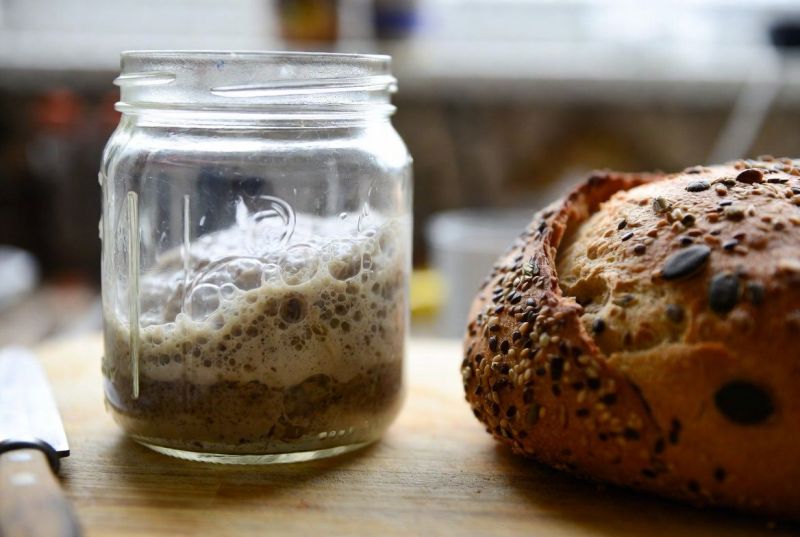
The image you see often features this type of hearty loaf — dense, nutty, and satisfying. Multigrain options with intact kernels tend to have lower GI values than finely milled breads.
Quick comparison of seed benefits:
- Flaxseeds: Rich in omega-3s and soluble fiber
- Pumpkin seeds: Provide magnesium, which plays a role in carbohydrate metabolism
- Sesame and sunflower: Add crunch and extra nutrients
4. Rye and Pumpernickel Breads: Traditional Low-GI Choices
Dense rye breads, especially pumpernickel made from whole rye kernels, consistently rank among lower GI options. The coarse texture and natural compounds in rye help moderate glucose release.
Pumpernickel has been noted in guides for its slower digestion profile. These European-style breads pair wonderfully with savory toppings and salads.
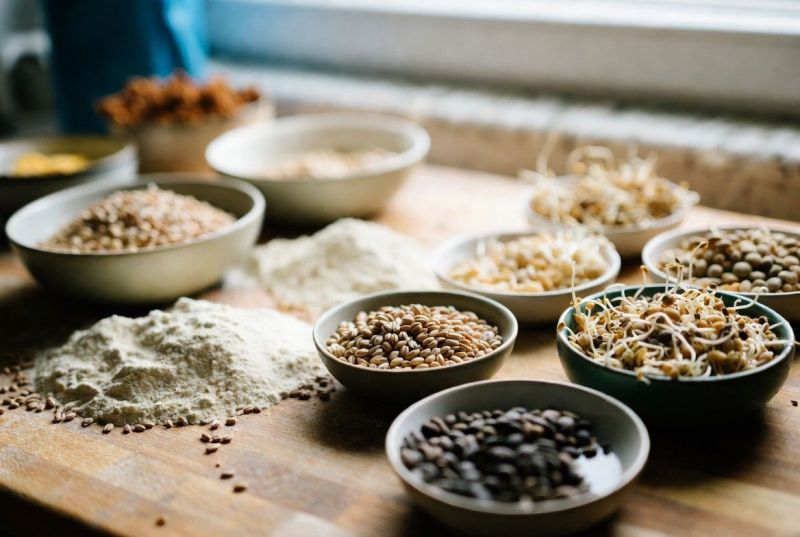
5. Oat and Barley-Enriched Breads: Beta-Glucan Boost
Breads incorporating oats or barley benefit from beta-glucan, a soluble fiber that forms a gel in the digestive tract. This can slow sugar absorption and promote feelings of fullness.
Oat-enriched loaves provide a mild, comforting flavor while supporting overall dietary balance.
How to Choose and Enjoy These Breads Daily
Here’s a simple checklist when shopping:
- Look for “100% whole grain” or “sprouted” on the label as the first ingredient
- Aim for at least 3g of fiber per slice
- Check for no added sugars or minimal ingredients
- Prefer breads with visible seeds and grains
Actionable tips to get started:
- Start your day with sprouted grain toast topped with avocado and eggs
- Use sourdough for lunchtime sandwiches with plenty of vegetables
- Pair seeded bread with a side salad for dinner to balance the meal
- Experiment with different types throughout the week to find your favorites
But that’s not all — combining these breads thoughtfully with proteins, healthy fats, and vegetables can enhance their supportive effects even further.
Practical Meal Ideas for Better Balance
- Breakfast: Sourdough toast with nut butter and berries
- Lunch: Multiseed bread sandwich with turkey, cheese, and lots of greens
- Snack: Rye crackers with hummus and cucumber
- Dinner accompaniment: A small slice of sprouted grain bread with soup or stew
These combinations help create balanced plates that many people find satisfying and sustainable.
What Science Says About These Choices
Multiple studies highlight the benefits of whole grain and fermented breads for post-meal responses. For example, fermentation in sourdough and sprouting processes have been linked to improved digestibility and more moderate glucose curves in research settings.
While individual results vary based on overall diet and lifestyle, these options are widely recommended by dietitians as smarter everyday swaps.
Common Questions About Breads and Blood Sugar
FAQ 1: Is all whole wheat bread good for blood sugar support?
Not necessarily. Many commercial whole wheat breads are still finely milled and may behave similarly to white bread. Always check the fiber content and ingredient list.
FAQ 2: How much bread can I eat in one sitting?
Portion control matters. Start with one slice and monitor how you feel. Pairing with protein and fat helps most people.
FAQ 3: Can I make these breads at home?
Yes! Simple sourdough starters or multiseed recipes using whole grain flours are accessible for beginners and allow full control over ingredients.
Final Thoughts
Choosing breads made with whole grains, seeds, sprouting, or fermentation can be a simple and enjoyable way to support more steady energy levels throughout your day. These five options — sprouted grain, sourdough, multiseed, rye/pumpernickel, and oat/barley varieties — offer delicious variety while aligning with balanced eating habits.
Experiment with them in your meals and notice what works best for your body and taste preferences. Small, consistent changes often lead to the most sustainable results.
Disclaimer: This article is for informational purposes only and is not intended as medical advice. Consult with a qualified healthcare professional for personalized guidance regarding your diet and health.