As we get older, many people notice their energy levels dipping and everyday tasks feeling a bit more tiring than before. Simple things like walking up stairs or standing for long periods can leave legs feeling heavier. Staying well hydrated is important, but plain water alone may not always provide the extra support our bodies need for smooth blood flow. The good news is that adding one common mineral to your water can make hydration more beneficial for circulation.

In this guide, you’ll discover practical ways to enhance your daily water routine with a mineral that many health experts discuss for its role in supporting overall wellness. Keep reading to learn the details and easy steps you can try today.
Why Blood Circulation Matters More as We Age
Blood circulation delivers oxygen and nutrients to every part of the body while removing waste. Good flow supports energy, warmth in the hands and feet, and overall comfort.
Many seniors experience slower circulation due to natural changes in blood vessels, reduced activity, or dietary gaps. This can lead to feelings of fatigue or cold extremities. Research suggests that certain minerals play a key role in helping blood vessels stay flexible and supporting heart function.
Magnesium stands out in studies for its potential to help relax blood vessels and promote better flow. Low magnesium levels are fairly common in older adults, making it a worthwhile focus for daily habits.
The Mineral That Can Make a Difference: Magnesium
Magnesium is an essential mineral involved in hundreds of body processes, including muscle and nerve function. When added to water, it dissolves easily and becomes a convenient way to boost intake.
Here’s why it’s often recommended for circulation support:
- It helps blood vessels relax, which may promote smoother flow.
- It works alongside other minerals like potassium and calcium for balanced hydration.
- Many people report feeling more energetic when their magnesium levels are adequate through diet and water.
Studies indicate magnesium contributes to healthy blood pressure levels already within the normal range and supports arterial flexibility.
This isn’t a miracle fix, but a simple daily addition that fits naturally into your routine.
How to Add Magnesium to Your Water Safely
Adding magnesium to water is straightforward. Here’s a simple step-by-step guide:
- Choose the right form — Look for magnesium citrate or magnesium glycinate powder, which dissolve well and are generally well-tolerated.
- Start small — Begin with 100-200 mg per day (check the label and consult a healthcare provider for your needs).
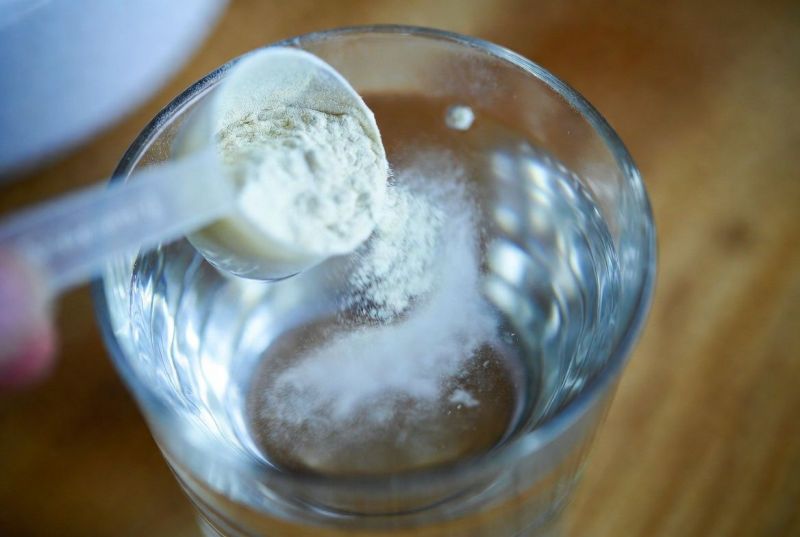
- Mix it properly — Stir the powder into a glass of room-temperature water until fully dissolved. You can add a squeeze of lemon for better taste.
- Drink consistently — Enjoy it in the morning or spread throughout the day instead of plain water.
- Track how you feel — Note any changes in energy or comfort over a few weeks.
Always choose high-quality supplements from reputable brands and speak with your doctor before starting, especially if you take medications.
Other Ways to Support Circulation Naturally
While adding magnesium to water helps, combining it with lifestyle habits brings better results.
Simple daily tips include:
- Stay active with gentle walks or chair exercises.
- Eat magnesium-rich foods like leafy greens, nuts, seeds, and whole grains.
- Keep hydrated overall — aim for several glasses of water daily.
- Manage stress through deep breathing or light stretching.
These habits work together to support your body’s natural systems.
Foods That Complement Magnesium for Better Results
Pairing your magnesium water with the right foods enhances benefits. Consider these options:
- Leafy greens (spinach, kale) — Packed with magnesium and nitrates that support vessel health.
- Nuts and seeds (almonds, pumpkin seeds) — Provide magnesium plus healthy fats.
- Beets or beet powder — Known for natural compounds that promote blood flow.
- Avocados and bananas — Offer potassium, which works well with magnesium.
Quick comparison table:
| Food | Key Benefit | Easy Way to Add |
|---|---|---|
| Spinach | High magnesium + iron | Add to smoothies or salads |
| Almonds | Magnesium + vitamin E | Handful as snack |
| Beetroot | Supports nitric oxide | Juice or roasted side dish |
| Pumpkin seeds | Magnesium + zinc | Sprinkle on yogurt |
Common Questions About Magnesium in Water
Is it safe to add magnesium to water every day?
Yes, for most healthy adults when used in appropriate amounts. It’s best to follow recommended dosages and consult your healthcare provider.
Will it change the taste of my water?
Magnesium citrate can have a slightly tangy or mild taste. Adding lemon or a pinch of sea salt often improves flavor.
Can everyone benefit from this habit?
Many people, especially those over 50, may find it supportive, but individual needs vary. A simple blood test can check your magnesium levels.

Putting It All Together for Better Daily Wellness
Supporting healthy circulation doesn’t require complicated changes. Adding a quality magnesium supplement to your water is one easy step that fits into any routine. Combine it with balanced meals, light movement, and good hydration for noticeable improvements in how you feel day to day.
Small consistent habits like this can make a real difference in energy and comfort over time.
Disclaimer: This article is for informational purposes only and is not medical advice. Always consult with a qualified healthcare professional before making changes to your diet or supplement routine, especially if you have existing health conditions or take medications.