Many people wake up feeling sluggish, with mild discomfort in the lower back or noticeable fatigue that lingers throughout the day. These subtle signs often connect to how well the body handles daily waste and maintains fluid balance. Over time, dehydration and certain dietary habits can place extra strain on the kidneys, making everyday tasks feel more tiring than they should.

The good news is that simple morning habits, especially what you choose to drink first thing, can make a meaningful difference in supporting your body’s natural processes. In this guide, you’ll discover 10 refreshing morning drinks worth adding to your routine, along with practical tips to prepare them. Keep reading because the final recommendation might surprise you with how easy and effective it can be.
Why Your Morning Drink Matters for Kidney Support
Your kidneys filter about 200 liters of blood every single day. They rely heavily on proper hydration to remove waste efficiently and maintain electrolyte balance. Starting the day with hydrating, nutrient-rich beverages helps set a positive tone for this filtration process.
Research suggests that consistent hydration and certain plant compounds may support overall kidney function and reduce the risk of common issues like stone formation. But remember, these drinks work best as part of a balanced lifestyle that includes plenty of water throughout the day.
1. Warm Lemon Water
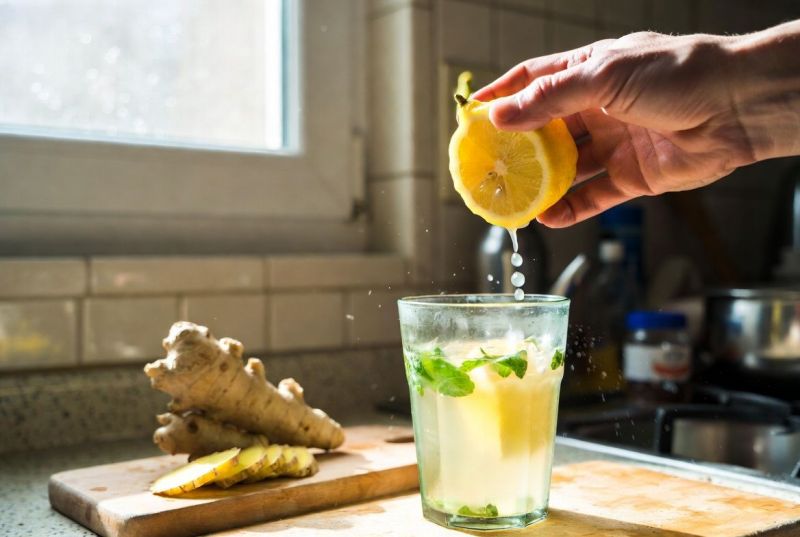
This classic morning ritual remains one of the simplest ways to begin your day. Fresh lemon juice provides natural citric acid, which can help increase urine citrate levels — a factor associated with lower risk of certain kidney stones.
How to prepare it:
- Squeeze the juice of half a fresh lemon into a glass of warm water.
- Drink it first thing after waking, before coffee or breakfast.
- Optional: add a few mint leaves for extra freshness.
Many people notice improved digestion and a gentle energy boost from this habit.
2. Cucumber and Mint Infused Water
Cucumber offers high water content and mild antioxidants, making it an excellent base for gentle hydration.
Slice half a cucumber and a few fresh mint leaves into a large pitcher of water. Let it infuse overnight in the refrigerator. In the morning, pour yourself a big glass. The subtle flavor encourages you to drink more throughout the day, supporting steady hydration.
3. Unsweetened Green Tea
Green tea contains polyphenols and catechins that act as antioxidants. Studies have linked regular consumption of unsweetened green tea with various health benefits, including potential support for kidney health markers.
Steep one tea bag or one teaspoon of loose leaves in hot water for 2-3 minutes. Enjoy it warm. Limit to 1-2 cups in the morning to avoid excess caffeine.
4. Diluted Cranberry Juice
Unsweetened cranberry juice is popular for its role in supporting urinary tract health, which indirectly benefits the kidneys by helping reduce certain bacterial adhesion.
Mix 2-4 ounces of pure, unsweetened cranberry juice with 6-8 ounces of water. A splash of fresh lemon enhances the taste. This creates a refreshing, tart morning drink.
5. Fresh Beetroot Juice (in Moderation)
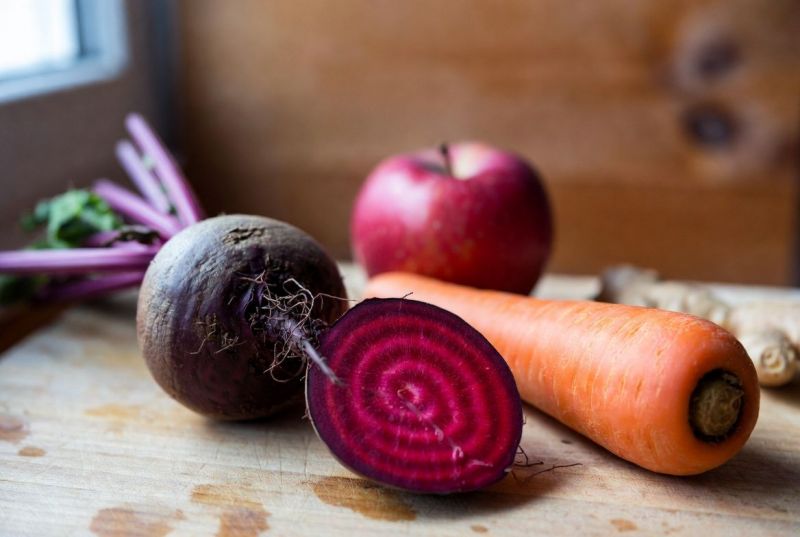
The vibrant red drink featured in many health images combines beets with complementary ingredients like apple and carrot. Beets contain nitrates that may help support healthy blood flow and pressure levels, which matter for kidney function.
Simple recipe:
- 1 small beet, peeled and chopped
- 1 apple
- 1 carrot
- Small piece of ginger
- Blend with a little water and strain if desired.
Start with small portions, especially if you monitor potassium intake.
6. Ginger Tea
Ginger offers a warming, spicy kick that many find soothing. Its compounds may help reduce mild inflammation and support digestion, creating a more comfortable start to the day.
Grate a one-inch piece of fresh ginger into a cup of hot water. Steep for 5-10 minutes, then strain. Add a squeeze of lemon for brightness.
7. Parsley Infusion
Parsley has traditionally been used in various cultures for its mild diuretic properties and nutrient profile, including vitamins and antioxidants.
Chop a small bunch of fresh parsley and steep in hot water for 5-7 minutes. Strain and sip slowly. This herb adds a fresh, green note to your morning.
8. Turmeric Golden Drink (Plant-Based)
Turmeric contains curcumin, known for its antioxidant properties. Pairing it with a pinch of black pepper may enhance absorption.
Warm a cup of unsweetened almond or oat milk, stir in half a teaspoon of turmeric powder, a pinch of cinnamon, and black pepper. A touch of honey (optional, in small amounts) can balance the flavor.
9. Apple Cider Vinegar Tonic
A small amount of apple cider vinegar diluted in water creates a tangy morning beverage. Some research points to potential benefits for blood sugar management, which can indirectly support kidney health over time.
Mix 1-2 teaspoons of raw, unfiltered apple cider vinegar in a glass of water. Always dilute it well to protect your teeth and throat.
10. Watermelon or Celery Juice
Watermelon juice offers natural hydration with electrolytes like potassium in balanced amounts for most people. Celery juice provides a crisp, mild flavor and additional water content.
For watermelon: blend fresh chunks and strain. For celery: juice fresh stalks or blend and strain. Both make light, refreshing options.
But that’s not all. Combining elements from these drinks — like adding ginger or lemon to multiple recipes — can create your own signature morning blends that keep things interesting.
Quick Comparison Table of Morning Drink Benefits
| Drink | Key Support Area | Preparation Time | Best For |
|---|---|---|---|
| Lemon Water | Hydration + Citrate | 2 minutes | Daily starter |
| Green Tea | Antioxidants | 3 minutes | Focus & calm |
| Beetroot Blend | Blood flow support | 5-7 minutes | Energy |
| Ginger Tea | Soothing warmth | 5 minutes | Digestion |
| Cranberry Mix | Urinary tract support | 1 minute | Prevention |
Actionable Tips to Build Your Morning Routine
- Prepare ingredients the night before to save time.
- Use fresh, organic produce whenever possible for best flavor and quality.
- Start with one or two new drinks per week so your body adjusts gradually.
- Track how you feel after 2-3 weeks of consistency — many people report better energy and fewer minor discomforts.
- Always prioritize plain water alongside these drinks. Aim for at least 8-10 glasses total daily, adjusted for your activity level and climate.
Here’s a simple weekly rotation idea:
- Monday & Thursday: Lemon Water + Ginger
- Tuesday & Friday: Green Tea
- Wednesday: Beet-Apple Blend
- Weekend: Cranberry or Parsley Infusion
Common Questions About Kidney-Supporting Morning Drinks
How much should I drink in the morning?
Most experts recommend starting with 8-16 ounces of fluid upon waking. Listen to your body and spread intake evenly.
Can these drinks replace plain water?
No. They complement water but should not fully replace it. Plain water remains the foundation for effective kidney filtration.
Are there any ingredients I should limit?
Yes. If you have existing kidney concerns, consult a healthcare professional about potassium-rich items like beets or certain herbs. Moderation is key for everyone.
When will I notice changes?
Many people feel subtle improvements in energy and hydration within 1-2 weeks, but individual results vary based on overall diet and lifestyle.
Final Thoughts
Incorporating thoughtful morning drinks is one of the easiest ways to show your kidneys some daily care. These 10 options offer variety, great taste, and natural compounds that align with a kidney-friendly approach. Experiment, stay consistent, and pay attention to how your body responds.
Small, sustainable changes often lead to the biggest long-term benefits. Start tomorrow with one of these recipes and build from there.
Disclaimer: This article is for informational purposes only and does not constitute medical advice. The content is not intended to diagnose, treat, cure, or prevent any disease. Always consult with a qualified healthcare professional before making significant changes to your diet, especially if you have kidney concerns or other medical conditions. Individual results may vary.