Many seniors notice uncomfortable leg sensations more often, especially at night or after a long day. These moments can disrupt sleep and make simple daily activities feel more challenging. As we age, our bodies may not absorb nutrients as efficiently, and everyday habits like certain medications or limited variety in meals can play a role. But what if adding a few familiar, tasty foods to your plate could make a real difference in how your muscles feel?

In this guide, we’ll explore five magnesium-rich foods that many older adults find helpful. You’ll discover easy ways to include them and why they matter for supporting overall muscle comfort. Keep reading because there’s a simple daily approach at the end that ties everything together in a way that might surprise you.
Why Magnesium Matters for Muscle Comfort in Seniors
Magnesium plays a key role in how our muscles work. It helps with normal muscle contraction and relaxation, along with supporting nerve function and energy production. Research suggests that many adults, especially those over 60, may not get enough from their diet alone.
Studies shared by sources like the National Institutes of Health note that magnesium from food is absorbed at about 30 to 40 percent. This makes whole-food sources particularly valuable because they come packaged with other supportive nutrients like potassium, fiber, and antioxidants.
But here’s the thing — it’s not just about one mineral. Leg discomfort in seniors can relate to hydration, activity levels, and overall diet balance. Including magnesium-rich options is one practical step you can take right away.
The Top 5 Magnesium-Rich Foods for Seniors
These foods are chosen for their nutrient density, ease of preparation, and appeal for older adults. Each provides a meaningful amount of magnesium per serving while being gentle on the stomach when prepared simply.
1. Pumpkin Seeds — A Crunchy Powerhouse
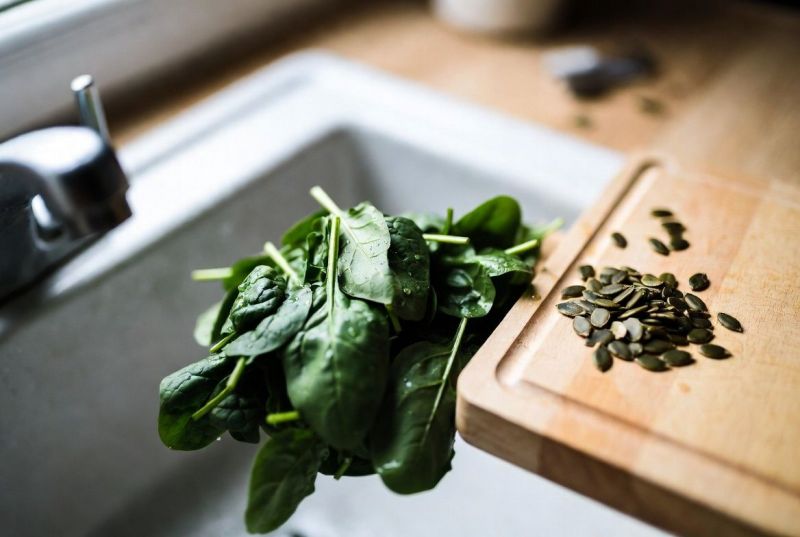
Pumpkin seeds (also called pepitas) stand out as one of the richest sources. Just one ounce of roasted pumpkin seeds can deliver around 150 mg of magnesium.
They’re convenient too. Sprinkle them on yogurt, oatmeal, or salads, or enjoy a small handful as an afternoon snack. Many seniors appreciate their mild nutty flavor and how they add satisfying texture without much chewing effort.
Pro tip: Choose unsalted versions if you’re watching sodium intake. Combine with a few raisins for natural sweetness.
2. Spinach and Other Leafy Greens
Cooked spinach offers about 157 mg of magnesium per cup. Kale and Swiss chard are excellent companions as well. These greens are versatile and blend easily into meals.
Sauté spinach with a bit of garlic and olive oil, add it to smoothies, or mix into scrambled eggs. The cooking process makes the nutrients more accessible while reducing volume for easier eating.
Leafy greens also provide potassium and hydration-supporting elements, creating a well-rounded boost for muscle comfort.
3. Almonds — Convenient and Satisfying
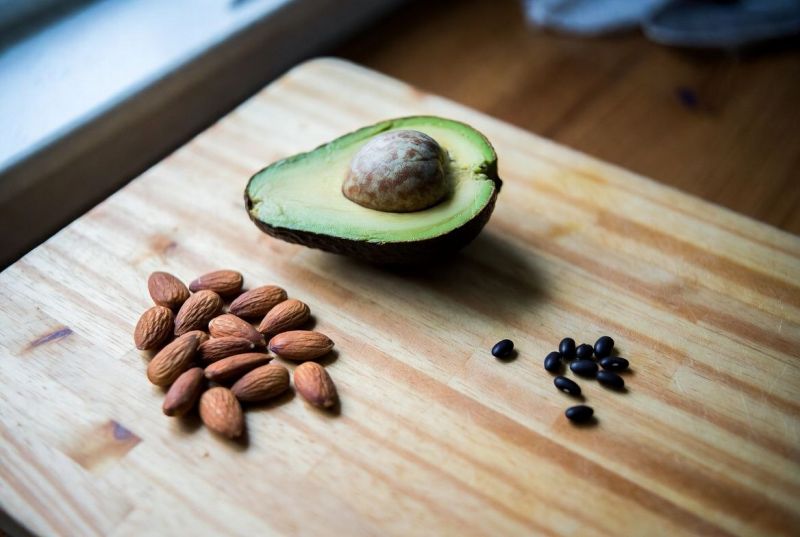
A one-ounce serving of almonds (about 23 nuts) supplies roughly 80 mg of magnesium. They’re portable, shelf-stable, and make a perfect snack.
Almonds deliver healthy fats and vitamin E too, which can support overall wellness. For seniors with dental concerns, choose sliced or slivered almonds, or try almond butter spread on whole-grain toast.
Many people report enjoying a small portion in the evening as part of a relaxing routine.
4. Black Beans and Other Legumes
One cup of cooked black beans provides around 120 mg of magnesium. Lentils and chickpeas work wonderfully too. These are budget-friendly, filling, and full of fiber.
Prepare a simple black bean soup, add them to salads, or make a gentle mash. Legumes combine well with vegetables and grains for balanced plates that keep energy steady.
Their protein content also helps maintain muscle mass, which is important as we get older.
5. Avocados — Creamy and Nutrient-Dense
One medium avocado contains about 58 mg of magnesium plus potassium and healthy fats. Its smooth texture makes it especially appealing for seniors.
Spread mashed avocado on toast, blend into a simple dressing, or enjoy slices with eggs or in a salad. The creaminess can make meals more enjoyable while supporting nutrient absorption.
Here’s something interesting: Avocados pair beautifully with many of the other foods on this list, creating delicious combinations that don’t feel like “diet food.”
How These Foods Work Together for Better Results
Eating a variety of these foods throughout the day creates synergy. Magnesium works alongside potassium, calcium, and hydration to support muscle function.
- Morning: Add spinach to eggs and a sprinkle of pumpkin seeds.
- Midday: Enjoy a handful of almonds with an avocado slice.
- Evening: Include black beans in a light dinner.
Many seniors notice improvements in how they feel when they consistently include these options. Research on dietary patterns shows that whole-food approaches tend to offer broader benefits than focusing on a single nutrient.
Easy Daily Meal Ideas You Can Start Today
Here are simple, senior-friendly ways to incorporate these foods:
- Breakfast Bowl: Oatmeal topped with spinach (wilted in), sliced banana, and pumpkin seeds.
- Lunch Salad: Mixed greens, black beans, avocado, and a light olive oil dressing. Add almonds for crunch.
- Snack Plate: Carrot sticks with almond butter and a few pumpkin seeds.
- Dinner Side: Sautéed spinach and black beans seasoned mildly with herbs.
These meals require minimal cooking and can be adjusted for preferences or chewing ability.
Additional Habits That Support Muscle Comfort
Diet is powerful, but a few complementary habits make a big difference:
- Stay well hydrated throughout the day.
- Gentle stretching or walking helps circulation.
- Maintain consistent sleep routines.
- Consider discussing overall nutrient intake with your healthcare provider.
Common Questions About Magnesium-Rich Foods for Seniors
How quickly might I notice changes?
Some people report feeling better within a week or two of consistent changes, but results vary based on individual factors. Focus on enjoyment and steady habits rather than quick fixes.
Can I get too much magnesium from food?
It’s very difficult to get excessive amounts from whole foods. The body regulates absorption well from dietary sources.
Are there any foods I should limit?
Highly processed items and excessive caffeine or alcohol can affect mineral balance. Balance is key.
What if I have trouble digesting beans or nuts?
Start with smaller portions, choose well-cooked legumes, and consider nut butters. Consulting a doctor or dietitian can help personalize choices.
Do I still need to talk to my doctor?
Yes. These foods are part of a healthy eating pattern, but they are not a replacement for professional medical advice.
Putting It All Together: Your 7-Day Starter Plan
Week one can be simple. Pick two or three of the foods above and add them daily. Track how you feel in a gentle notebook — many people are surprised by small positive shifts in energy and comfort.
The real secret? Consistency beats perfection. Small, enjoyable additions to meals often lead to the most sustainable changes.
By focusing on these magnesium-rich options, you’re giving your body supportive nutrients in a delicious, natural way. Your legs — and your overall wellbeing — will thank you.
Disclaimer: This article is for informational purposes only and is not intended as medical advice. Always consult with your healthcare provider before making significant dietary changes, especially if you have existing health conditions or take medications.