Many older adults feel embarrassed the first time they notice persistent foamy urine in the toilet. It is easy to brush it off as “just flushing too fast,” but when it keeps happening, it can quietly create worry every time you visit the bathroom. Fortunately, learning what foamy urine may mean, understanding when it deserves medical attention, and exploring healthy lifestyle habits including the traditional use of gotu kola can help you make informed choices. Stay with me because one simple daily habit near the end of this guide may surprise you, and it has nothing to do with expensive supplements.
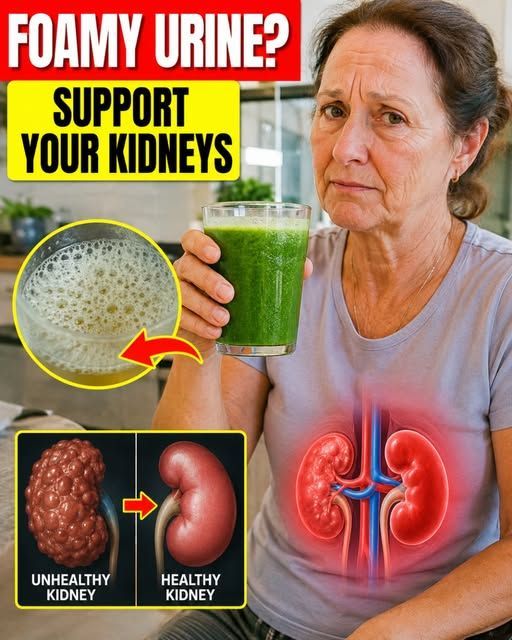
What Does Foamy Urine Actually Mean?
Many people notice bubbles in the toilet occasionally. That alone is not automatically a sign that something is wrong.
Sometimes the explanation is surprisingly simple.
Urine hitting the water quickly can naturally create bubbles, just like pouring sparkling water into a glass.
However, foam that appears consistently over many days may deserve attention, especially if other symptoms appear alongside it.
Common reasons include
- Fast urine flow
- Mild dehydration
- Concentrated urine
- Temporary changes after exercise
- Protein in the urine
- Certain medications
- Kidney conditions that require medical evaluation
The important point is this.
Foamy urine is not a diagnosis. It is simply one observation that deserves context.
Research has shown that persistent protein in the urine can sometimes be one of the earliest indicators that the kidneys deserve further evaluation. This is why healthcare providers often recommend a simple urine test if the symptom continues.
The reassuring news is that many people with occasional foamy urine do not have serious kidney disease.
The key is knowing when to pay attention.
Why Kidney Health Becomes More Important After Age 60

As we age, our kidneys naturally become a little less efficient.
This is completely normal.
Healthy kidneys quietly perform hundreds of jobs every day, including
- Filtering waste products
- Balancing fluids
- Regulating minerals
- Supporting healthy blood pressure
- Helping maintain bone health through vitamin D activation
But here is something many families never realize.
Kidneys can lose some function gradually without causing obvious pain.
Unlike a sore knee or aching back, kidneys rarely “hurt” during the early stages of many conditions.
That is why paying attention to everyday clues matters.
These may include
- Persistent foamy urine
- Swelling around ankles
- Fatigue
- Changes in urination
- High blood pressure
- Poor appetite
None of these symptoms automatically mean kidney disease.
They simply mean it is worth having a conversation with your healthcare provider.
Where Does Gotu Kola Fit Into Traditional Wellness?

This is the part that often creates confusion.
Gotu kola, also called Centella asiatica, has been used in traditional wellness practices throughout Asia for hundreds of years.
Historically, people have enjoyed it as
- Herbal tea
- Fresh leafy vegetable
- Juice
- Traditional botanical preparation
People traditionally associated gotu kola with overall vitality and healthy aging.
Modern researchers have become interested in several natural compounds found inside the plant, including
- Asiaticoside
- Madecassoside
- Flavonoids
- Antioxidants
Laboratory research suggests these compounds have antioxidant and anti inflammatory properties.
However, it is very important to separate traditional use from scientific evidence.
Current human research does not show that gotu kola prevents, treats, or reverses kidney disease.
Instead, it may simply be one part of a balanced diet and healthy lifestyle for some people.
If you have kidney disease, liver disease, take prescription medications, or are considering herbal supplements, always speak with your healthcare professional before using gotu kola regularly.
Healthy Habits That Support Kidney Wellness Every Day
Here is where everyday routines matter far more than miracle ingredients.
Many kidney specialists emphasize the same practical habits.
Stay Hydrated
Drinking enough water helps the kidneys perform their normal filtering functions.
Your needs vary depending on
- Climate
- Activity level
- Medications
- Medical conditions
Your healthcare provider can recommend the right amount for you.
Keep Blood Pressure Under Control
High blood pressure remains one of the biggest threats to kidney health.
Simple lifestyle habits can help support healthy numbers.
Manage Blood Sugar
For people living with diabetes, keeping blood sugar within target ranges plays a major role in protecting kidney function.
Choose Whole Foods More Often
A colorful eating pattern rich in
- Vegetables
- Fruit
- Whole grains
- Beans
- Healthy fats
- Lean proteins
supports overall cardiovascular and kidney wellness.
Stay Physically Active
Even walking for thirty minutes most days supports circulation and overall health.
Avoid Smoking
Smoking affects blood vessels throughout the body, including those that supply the kidneys.
Here is a quick comparison.
| Habit | Supports Kidney Wellness | May Increase Risk |
|---|---|---|
| Drinking enough water | Yes | Chronic dehydration |
| Balanced eating | Yes | Excess processed foods |
| Exercise | Yes | Sitting most of the day |
| Blood pressure management | Yes | Uncontrolled hypertension |
| Medical checkups | Yes | Ignoring ongoing symptoms |
The biggest takeaway?
No single herb can replace these foundational habits.
A Simple Traditional Gotu Kola Routine

If your healthcare provider says it is appropriate for you, some people enjoy gotu kola as part of a balanced lifestyle.
One gentle approach includes
Step 1
Wash fresh gotu kola thoroughly.
Step 2
Blend a small handful with water.
Some people add cucumber or a squeeze of lemon for flavor.
Step 3
Drink it occasionally as part of a varied diet rather than relying on it as a daily health solution.
Step 4
Continue focusing on proven habits like hydration, exercise, and regular health checkups.
Remember this important point.
Traditional foods are meant to complement healthy living, not replace evidence based medical care.
Foods That Naturally Support Overall Kidney Friendly Eating
Many older adults ask which foods deserve a regular place on the table.
While individual dietary needs vary, these choices generally fit into healthy eating patterns.
| Food | Why It Can Be Helpful |
|---|---|
| Blueberries | Rich in antioxidants |
| Cabbage | High in vitamin C and fiber |
| Olive oil | Heart healthy fats |
| Apples | Fiber and polyphenols |
| Oats | Whole grain nutrition |
| Leafy greens | Vitamins and minerals for many people* |
*People with advanced kidney disease may need personalized guidance regarding certain minerals such as potassium.
This is why individualized nutrition advice matters.
When Should You See Your Healthcare Provider?

This may be the most important section of the article.
Occasional foam is usually not an emergency.
However, make an appointment if you notice
- Persistent foamy urine lasting several days or weeks
- Blood in the urine
- Swelling of feet or ankles
- Shortness of breath
- Severe fatigue
- Decreased urination
- High blood pressure that remains uncontrolled
Your clinician may recommend
- A urine test
- Blood work
- Blood pressure measurement
- Review of medications
- Additional evaluation if necessary
Early conversations often provide reassurance or identify problems before they become more serious.
Common Myths About Foamy Urine
Many misconceptions continue to circulate online.
Here are some of the most common.
| Myth | Reality |
|---|---|
| Foamy urine always means kidney failure | No. Many harmless causes exist. |
| Gotu kola can repair damaged kidneys | Current evidence does not support this claim. |
| Drinking more water fixes every kidney problem | Hydration helps but cannot address every medical condition. |
| No pain means healthy kidneys | Many kidney conditions cause few early symptoms. |
The truth is usually somewhere in the middle.
Simple observations deserve attention without creating unnecessary fear.
Conclusion
Foamy urine can be an uncomfortable topic, but ignoring it is rarely the best approach.
Most occasional bubbles have harmless explanations. Persistent foam, however, deserves a conversation with your healthcare provider, especially if it appears with swelling, fatigue, or changes in urination.
Traditional ingredients like gotu kola remain part of many cultural wellness practices, and they may fit into a balanced lifestyle for some individuals. Still, the strongest evidence for supporting long term kidney health continues to point toward hydration, healthy eating, physical activity, blood pressure management, diabetes control when appropriate, and routine medical care.
Sometimes the simplest daily habits make the biggest difference, not because they promise miracles, but because they support the body’s remarkable ability to care for itself.
Frequently Asked Questions
Can gotu kola prevent kidney disease?
Current scientific evidence does not support using gotu kola to prevent or manage kidney disease. It may be enjoyed as part of a balanced diet if appropriate for you, but it should not replace medical advice or treatment.
Is foamy urine always caused by protein?
No. Fast urine flow, dehydration, concentrated urine, cleaning products in the toilet, and several other factors can also create foam. Persistent foamy urine should be evaluated by a healthcare professional.
Should older adults drink gotu kola every day?
Not necessarily. There is no established recommendation for daily use in healthy older adults. People with medical conditions, those taking prescription medications, or individuals with liver or kidney concerns should consult their healthcare provider before using herbal products regularly.
Medical Disclaimer
This article is intended for educational purposes only and should not be considered medical advice, diagnosis, or treatment. Always consult a qualified healthcare professional regarding persistent urinary symptoms, concerns about kidney health, or before making significant changes to your diet, medications, or supplement routine.