Many adults remember old hair care tips passed down through family, yet somewhere between busy schedules and shelves full of expensive products, those simple habits were forgotten. Seeing more hair in the brush, noticing dull strands in the mirror, or feeling that your hair has lost its natural bounce can quietly chip away at confidence. The good news is that healthy hair care does not always have to be complicated. By the end of this guide, you will discover why aloe vera gel has remained a trusted home remedy for generations and how to use it wisely as part of a balanced hair care routine.
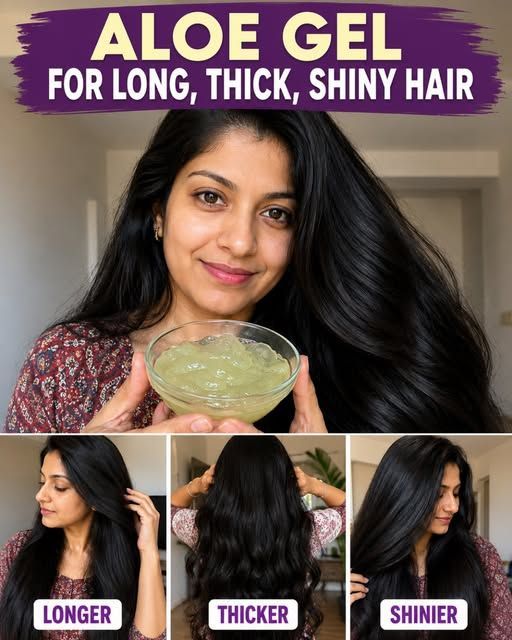
Why Aloe Vera Has Stayed Popular for Generations
For decades, aloe vera has been one of the most recognizable plants in home gardens across Europe, North America, and many other parts of the world.
Long before modern hair serums became popular, families often kept an aloe plant near the kitchen window. When someone experienced dry skin or wanted to soothe the scalp after spending time outdoors, the clear gel inside the leaves was often the first thing they reached for.
That tradition continues today for a simple reason.
Aloe vera contains mostly water along with naturally occurring vitamins, minerals, amino acids, and plant compounds that help support skin hydration.
Research suggests that keeping the scalp moisturized may create a healthier environment for comfortable hair care, although aloe vera itself has not been proven to make hair grow faster.
This difference is important.
Healthy looking hair depends on several factors.
• Genetics
• Nutrition
• Hormonal balance
• Stress levels
• Daily hair care habits
• Overall scalp condition
Aloe vera fits into the last category by supporting hydration rather than acting as a miracle solution.
And that realistic expectation often leads to better long term satisfaction.
What Aloe Vera Gel Actually Does for Hair

Many online videos promise dramatic transformations within days.
The reality is much more reasonable.
Aloe vera works best as part of a gentle routine rather than a quick fix.
It Helps Hydrate the Scalp
Dry scalp often feels tight, flaky, or uncomfortable.
Since aloe vera is rich in water, applying a thin layer may help the scalp feel more hydrated.
Hydrated skin often feels healthier and more comfortable.
It Can Improve Hair Manageability
Hair that lacks moisture may appear rough or difficult to style.
Using aloe vera gel as a lightweight conditioning treatment may help reduce that dry feeling without making hair feel heavy.
It May Add Temporary Shine
Smooth hair reflects more light.
When hair cuticles lie flatter because strands are well moisturized, hair often appears shinier.
This cosmetic improvement explains why many people notice healthier looking hair after regular use.
It Supports Gentle Hair Care
Unlike some products containing high amounts of alcohol or heavy fragrances, pure aloe vera gel is generally gentle for many people when used appropriately.
However, everyone is different.
Some individuals may still experience irritation or allergies.
That is why a patch test remains important.
Common Hair Concerns and Realistic Expectations

Here is where expectations matter.
Many advertisements confuse appearance with biological hair growth.
The following table explains the difference.
| Hair Concern | What Aloe Vera May Help With | What It Cannot Promise |
| | | |
| Dry looking hair | Supports moisture | Permanent repair |
| Dull appearance | May improve shine | Instant transformation |
| Frizzy strands | Better softness | Complete elimination of frizz |
| Dry scalp | May provide soothing hydration | Guaranteed relief for scalp conditions |
| Hair growth | No strong evidence | Faster or thicker hair growth |
This distinction protects both your expectations and your wallet.
The healthiest routines are often the simplest ones.
The Best Way to Use Aloe Vera Gel at Home
Here comes the practical part.
If you would like to try aloe vera, following a consistent routine is usually more important than using large amounts.
Step 1
Choose pure aloe vera gel with minimal added ingredients.
If harvesting directly from the plant, wash the leaf carefully and remove the yellow latex before using the clear inner gel.
Step 2
Apply a small amount to slightly damp hair or directly onto the scalp.
Avoid soaking the hair.
A thin layer is enough.
Step 3
Massage gently using your fingertips for two to three minutes.
There is no need to scrub aggressively.
Gentle massage itself may improve comfort and help distribute the gel evenly.
Step 4
Leave the gel on for twenty to thirty minutes.
Some people prefer using it as a short conditioning mask before shampooing.
Step 5
Rinse thoroughly using lukewarm water.
Follow with your usual mild shampoo if desired.
Many people repeat this routine once or twice each week.
Consistency matters far more than frequency.
Mistakes That May Leave Hair Looking Worse
Here is something many people overlook.
Sometimes it is not the product causing disappointment.
It is the routine surrounding it.
Avoid these common habits.
• Applying excessive amounts of gel that leave buildup.
• Sleeping overnight with fresh aloe on the scalp without knowing how your skin reacts.
• Skipping shampoo entirely for long periods.
• Using extremely hot water.
• Brushing wet hair aggressively.
• Ignoring scalp irritation.
Even natural ingredients deserve careful use.
Natural does not automatically mean suitable for everyone.
Foods That Support Healthy Hair From Within

Hair care begins inside the body.
Even the most expensive hair mask cannot replace balanced nutrition.
Research consistently links overall nutritional status with normal hair health.
Consider including foods such as:
• Eggs for protein and biotin.
• Salmon for omega three fatty acids.
• Spinach for iron and folate.
• Greek yogurt for protein.
• Berries for vitamin C.
• Nuts and seeds for healthy fats.
• Beans and lentils for plant protein.
Adequate hydration also matters.
Hair fibers themselves are not living tissue, but overall hydration supports healthy skin, including the scalp.
Lifestyle Habits That Matter Even More Than Products

This is the part many advertisements skip.
Hair reflects overall wellness.
Simple daily habits often influence appearance more than any single ingredient.
Focus on:
Getting enough sleep each night.
Managing everyday stress.
Avoiding smoking.
Protecting hair from excessive heat styling.
Limiting harsh chemical treatments.
Using gentle shampoos appropriate for your hair type.
Scheduling regular trims to reduce split ends.
These habits create the foundation that topical products simply cannot replace.
When Hair Changes May Need Professional Attention

Sometimes hair changes are part of normal aging.
Sometimes they deserve medical evaluation.
Consider speaking with a healthcare professional if you notice:
• Sudden hair shedding.
• Large bald patches.
• Painful scalp irritation.
• Persistent itching.
• Hair loss following new medications.
• Hair thinning accompanied by fatigue or unexpected weight changes.
These situations may have underlying causes that require personalized evaluation.
Early guidance often provides reassurance and appropriate care.
The Bottom Line
Aloe vera gel has earned its place in traditional home care because it is simple, inexpensive, and easy to incorporate into a weekly routine. While it cannot guarantee longer, thicker, or faster growing hair, it may help improve moisture, softness, and the appearance of healthy shine when combined with balanced nutrition, gentle styling habits, and realistic expectations.
Sometimes the best routines are not the newest ones.
They are the habits that encourage consistency, patience, and kindness toward your hair every single week.
Frequently Asked Questions
Can aloe vera make hair grow faster?
Current scientific evidence does not show that aloe vera directly increases hair growth speed. Its primary role is supporting scalp comfort and hydration as part of an overall hair care routine.
How often should I use aloe vera gel on my hair?
Many people use it once or twice each week. The ideal frequency depends on your hair type, scalp sensitivity, and personal preference.
Can I leave aloe vera gel in my hair overnight?
Some people choose to do so, but leaving it on for twenty to thirty minutes before rinsing is generally sufficient. If you have sensitive skin, perform a patch test first and discontinue use if irritation develops.
Medical Disclaimer
This article is for educational purposes only and should not replace personalized advice from a qualified healthcare professional. Hair changes can have many causes. If you experience sudden or persistent hair loss, scalp pain, or other concerning symptoms, consult your physician or dermatologist for an individual evaluation.