At breakfast, you smile politely while quietly hiding the fact that your clothes feel looser, your stomach has been unsettled for weeks, or you found a little blood and felt too embarrassed to mention it. Many older adults do the same thing because they do not want to “make a fuss,” especially when family is busy and doctor appointments feel like trouble. The problem is that cancer warning signs can look ordinary at first, and ordinary things are easy to explain away. A small blueberry puree routine can make daily nutrition feel familiar, but the real secret is learning which body changes should never be ignored.

Why Small Changes After 60 Deserve More Respect
After 60, the body often changes in ways that feel normal. Joints ache. Sleep changes. Appetite rises and falls. Bathroom habits are not always as predictable as they used to be.
But that is exactly why many important symptoms get missed.
The American Cancer Society notes that cancer can sometimes cause general symptoms such as fatigue, fever, or weight loss, while the NHS lists possible warning signs including a new lump, unusual bleeding, long lasting night sweats, unusual pain, unexplained weight loss, and changes in urination. These signs do not automatically mean cancer, but they do mean the body is asking for attention.
Here is the important part.
A warning sign is not a verdict. It is a prompt.
It is your body tapping you on the shoulder before the problem becomes harder to understand. Older adults in Europe and North America often grew up with a “wait and see” attitude. That attitude can be useful for a mild cold. It is not useful when a symptom is new, persistent, unexplained, or getting worse.
A simple rule helps:
| Body Change | Usually Less Concerning | Worth Booking a Check |
|---|---|---|
| Tiredness | After poor sleep or a busy day | Lasts weeks and feels unusual |
| Weight change | Linked to diet or activity | Happens without trying |
| Pain | Clear strain or injury | Persistent or unexplained |
| Bowel change | One off stomach upset | Lasts more than a few weeks |
| Skin spot | Stable for years | Changes size, color, shape, or bleeds |
| Cough | After a cold | Lasts weeks or includes blood |
But that is not all.
The most dangerous habit is not eating the “wrong” breakfast. It is staying silent because the symptom feels embarrassing.
The Blueberry Puree Routine: Helpful, Familiar, But Not Magic
Blueberry puree is simple: soft, familiar, easy to swallow, and gentle enough for many older adults who prefer smooth foods. It can be stirred into porridge, plain yogurt, cottage cheese, or oatmeal. For people who grew up with fruit preserves, stewed fruit, or berry desserts, it feels comforting rather than clinical.
That matters.
A healthy routine is more likely to stick when it feels like home.
Blueberries contain fiber and plant compounds such as anthocyanins, the pigments that give berries their deep blue color. Research reviews have explored berries and their compounds in relation to inflammation, oxidative stress, and cell health, but food research should not be turned into a promise that blueberries can protect a person from cancer on their own.
The safest way to think about blueberry puree is this:
It supports a better daily pattern.
It does not replace screening.
It does not replace a doctor visit.
It does not explain away warning signs.
World Cancer Research Fund guidance highlights the value of fiber rich foods and wholegrains in healthy eating patterns, including their role in supporting healthier body weight, which is relevant because excess body weight is linked with several cancers.
So yes, blueberry puree can have a place at the table.
But here is the line not to cross.
Do not use a healthy food to silence a symptom.
A spoonful of blueberry puree is a nutrition habit. A changing mole, unexplained bleeding, or a cough that will not settle is a medical conversation.
Cancer Warning Signs Older Adults Should Never Normalize
Many cancer warning signs are easy to mistake for aging, stress, indigestion, or “just one of those things.” That is why older adults need a calm checklist, not fear.
The NHS and Cancer Research UK both describe possible warning signs such as unexplained bleeding, lumps or swelling, unexplained weight loss, unusual pain, fatigue, night sweats, and changes in bowel or bladder habits.
Pay attention to these changes:
• A new lump or swelling anywhere on the body
• Blood in stool, urine, vomit, or coughed up mucus
• Unexplained weight loss or loss of appetite
• A cough that lasts for several weeks or keeps worsening
• A mole or skin patch that changes, bleeds, crusts, or looks different
• Ongoing bloating, stomach pain, or change in bowel habits
• Trouble swallowing or feeling full very quickly
• Unusual tiredness that does not match your normal life
• Night sweats that soak clothing or bedding
• Pain that is new, persistent, or difficult to explain
• Changes in urination, including urgency, pain, or going much more often
Now take a breath.
Most symptoms have many possible causes. Blood in the stool may come from piles. A cough may come from an infection. Fatigue may come from poor sleep, low iron, grief, medication, or thyroid changes.
But the body does not give you a label at home.
That is why a clinician should help sort it out.
A family doctor would rather you come in early and discover something simple than stay home for months because you were afraid of being dramatic.

The “Two Week and Getting Worse” Rule
This rule is easy to remember.
If a new symptom lasts around two weeks, keeps returning, or gets worse, write it down and arrange a medical check. Some symptoms need faster attention, especially bleeding, sudden severe pain, breathing trouble, or coughing up blood.
Sự thật là: memory is not reliable when you are worried.
You may tell yourself the symptom started “a few days ago,” when it has actually been going on for six weeks. You may forget whether the pain happens before meals, after meals, or at night. You may not notice weight changes until a family member points them out.
Use a simple symptom note.
Write down:
- What changed
- When it started
- How often it happens
- Whether it is getting better, worse, or staying the same
- Any blood, weight loss, fever, sweats, pain, or appetite change
- Any new medicines, supplements, or diet changes
- What makes it better or worse
Here is a practical example.
| Symptom Note | Example |
|---|---|
| Main change | Bowel habits looser than usual |
| Start date | About three weeks ago |
| Pattern | Most mornings |
| Other signs | Occasional blood on tissue |
| Pain | Mild lower belly cramping |
| Weight | Down 5 pounds without trying |
| Action | Call clinic this week |
This is not overreacting.
This is being precise.
Clinicians can help more quickly when you bring clear information instead of vague worry. It also helps you feel less embarrassed because you are reporting facts, not trying to explain everything perfectly.
Screening Still Matters, Even When You Eat Well
image_group:
query: “older couple reading health screening appointment letter at home with fruit breakfast”
num_per_query: 1
Healthy food is powerful for daily wellbeing, but cancer screening has a different job. Screening checks for certain cancers before symptoms appear.
The CDC states that screening means checking for cancer before symptoms and supports regular screening for breast, cervical, colorectal, and lung cancers when recommended by health guidelines.
This is where many older adults make a quiet mistake.
They assume that because they feel “mostly fine,” they do not need screening. Others assume they are “too old” for screening. Some avoid it because they are embarrassed, tired of medical appointments, or afraid of the result.
But screening decisions after 60 are personal. They may depend on age, previous results, family history, smoking history, other health conditions, and what country or health system you live in.
Ask your doctor or nurse about:
• Bowel or colorectal screening
• Breast screening
• Cervical screening when still appropriate
• Lung screening for people with a significant smoking history
• Prostate discussions based on personal risk and symptoms
• Skin checks when moles or sun damage are a concern
Here is the part many people miss.
Screening is not a punishment for getting older.
It is a tool for staying informed.
In Europe and North America, screening programs vary by country, province, state, and age group. That means your neighbor’s schedule may not be your schedule. Your sister’s advice may not fit your medical history. A quick conversation with your healthcare team can save months of confusion.
How Blueberry Puree Can Fit Into a Cancer Aware Lifestyle
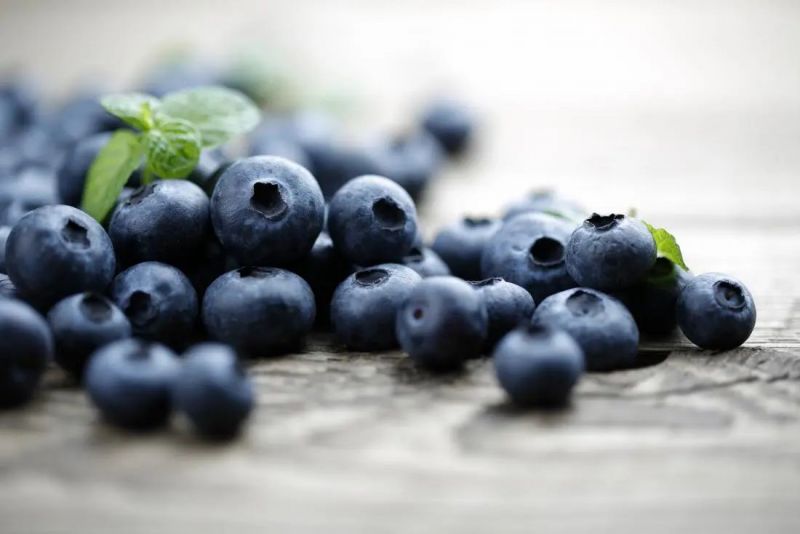
Blueberry puree works best when it is part of a bigger plate, not the whole plan.
The goal is not to create a “cancer fighting bowl.” That phrase sounds exciting, but it is too strong and misleading. The goal is to create a breakfast that supports fiber intake, steady energy, and a pattern of eating more plants.
Try this simple formula:
- Start with plain oats, Greek yogurt, cottage cheese, or unsweetened porridge
- Add two to four spoonfuls of blueberry puree
- Include protein such as yogurt, milk, eggs, tofu, or nuts if you tolerate them
- Add ground flaxseed or chia only if your digestion handles extra fiber well
- Keep added sugar modest
- Drink water, especially if increasing fiber
For homemade puree:
- Rinse fresh or frozen blueberries
- Warm gently in a small pan with a splash of water
- Mash with a fork or blend until smooth
- Add cinnamon or lemon zest if desired
- Cool and store in the refrigerator for a few days
But listen carefully.
Do not make the puree so sweet that it becomes dessert pretending to be health food. Many older adults already get hidden sugar from sweetened yogurt, juice, biscuits, breakfast cereals, and sauces. Blueberries have natural sweetness. Let them do most of the work.
A balanced blueberry breakfast might look like this:
| Better Choice | Why It Helps |
|---|---|
| Plain yogurt with blueberry puree | Adds protein and fruit without too much sugar |
| Oatmeal with puree and walnuts | Adds fiber and healthy fats |
| Cottage cheese with puree | Soft, protein rich, easy to prepare |
| Wholegrain toast with puree and peanut butter | More filling than jam alone |
| Smooth puree over chia pudding | Useful for people who prefer soft textures |
Nhưng đó chưa phải là tất cả.
Use the routine as a daily reminder to check in with your body.
While preparing breakfast, ask yourself quietly: “Has anything changed and stayed changed?” Then write it down if the answer is yes.
Bad Habits That Make Warning Signs Easier to Miss
Some habits do not cause symptoms directly, but they make it easier to ignore them.
And ignoring is where trouble begins.
Common habits to challenge:
• Saying “it is just age” before checking
• Hiding symptoms from adult children or a spouse
• Taking leftover medicine instead of calling a clinician
• Using supplements to avoid appointments
• Skipping screening letters because they feel stressful
• Waiting until pain becomes unbearable
• Feeling ashamed about bowel, bladder, breast, or sexual health symptoms
• Assuming healthy eating means nothing serious can happen
A family doctor style warning is needed here.
Being stoic is not the same as being wise.
You do not need to panic. You do need to act.
If you saw water dripping from the ceiling every morning, you would not keep painting over the stain. You would look for the leak. The body deserves the same respect.
That mole that has changed shape.
That cough that has not gone away.
That blood you saw once and hoped to forget.
That weight loss everyone compliments, even though you did not try.
These are not reasons to freeze. They are reasons to make a call.
A Seven Day Blueberry Puree Awareness Routine

This routine is not about fear. It is about making awareness normal.
Day 1: Make a small jar of blueberry puree and write your current weight in a notebook.
Day 2: Add puree to plain yogurt and note your energy level in the morning and afternoon.
Day 3: Add puree to oatmeal and write down any symptom that has lasted more than two weeks.
Day 4: Check your skin after bathing, especially moles, spots, and areas exposed to sun.
Day 5: Look at your screening letters, portal messages, or calendar reminders.
Day 6: Ask a trusted person whether they have noticed changes in your energy, weight, cough, or appetite.
Day 7: Decide whether anything deserves a clinic call this week.
Here is the interesting part.
The puree is not the hero.
The habit is the hero.
A repeated breakfast routine gives you a calm moment to notice your body without obsessing over it. That matters because fear often makes people avoid health information, while routine makes health information easier to face.
You can also use a simple traffic light system:
| Signal | Meaning | Action |
|---|---|---|
| Green | Brief symptom with clear cause and improving | Keep observing |
| Yellow | New symptom lasting around two weeks | Write it down and book advice |
| Red | Bleeding, severe pain, breathing trouble, coughing blood, sudden major change | Seek prompt medical help |
This is how ordinary mornings become protective.
Not because blueberries are magic.
Because you stopped ignoring the whisper before it became a shout.
Conclusion: Keep the Blueberries, But Listen to the Body
Blueberry puree is a comforting, practical food habit for older adults. It can add color, fiber, and familiarity to breakfast without making healthy eating feel complicated.
But cancer awareness is not built on one ingredient.
It is built on noticing change, respecting symptoms, attending recommended screening, and speaking to a clinician before worry turns into delay.
The secret promised at the beginning is simple: the best routine is not the one that claims to protect you from everything. The best routine is the one that helps you stop dismissing your own body.
Frequently Asked Questions About Cancer Warning Signs and Blueberry Puree
Can blueberry puree lower my cancer risk?
Blueberry puree can be part of a healthy eating pattern, especially when it replaces sugary desserts or low fiber snacks. Blueberries contain fiber and plant compounds, but no single food can guarantee protection. Think of blueberry puree as one helpful habit, not a shield.
Should I wait to see if a warning sign goes away?
A brief symptom with a clear cause may improve on its own. But a new, unexplained, repeated, or worsening symptom deserves attention, especially if it lasts around two weeks or includes bleeding, weight loss, persistent pain, a changing mole, or a long lasting cough.
Are cancer warning signs different in older adults?
The signs can be similar, but older adults may dismiss them more easily because they overlap with common age related changes. That is why tracking symptoms and discussing screening with a healthcare professional is especially important after 60.
Is frozen blueberry puree as good as fresh?
Frozen blueberries can be a practical choice and are often easy to store. Choose unsweetened berries when possible. The most important point is keeping the overall breakfast balanced with protein, fiber, and modest added sugar.
What should I say when calling the clinic?
Keep it simple: “I have had a new symptom for a few weeks, and I would like advice.” Then mention what changed, when it started, whether it is getting worse, and whether there is bleeding, weight loss, pain, fever, or appetite change.
Medical disclaimer: This article is for general education only and does not replace personal advice from a qualified healthcare professional.