Standing up from a café chair should not feel like a public performance, but many adults over 60 know that awkward pause when the knees complain before the body moves. The embarrassment gets worse when friends keep walking, stairs feel louder than they should, and every morning starts with the same stiff bargaining. The good news is not a miracle food, but a practical home routine that may support a more joint friendly lifestyle. Keep reading, because the smallest detail is not the sardine itself, but how you choose, prepare, and pair it.

Why Arthritis After 60 Feels So Personal
Arthritis after 60 is not just about joints. It affects dignity, confidence, social plans, shopping trips, gardening, church mornings, grandparent time, and even the simple act of getting out of a car.
That is why people often search for something familiar. Not an expensive gadget. Not a complicated diet. Just one routine that feels doable at home.
Sardines fit that emotional need because they are simple, affordable, shelf stable, and common in many European and North American kitchens. They are not magic, and they should never replace professional care, but they can become part of a sensible eating pattern that supports overall joint and bone health.
Here is the truth many people miss: arthritis care is rarely about one heroic change. The NHS notes that eating well, staying active, and supporting a healthy weight can help people live more actively with osteoarthritis.
But that is where older adults often get frustrated.
They hear “eat better” and “move more,” but nobody explains what that looks like on a Tuesday lunch plate.
So let’s make it practical.
A sardine routine can help because it gives you protein, healthy fats, and bone related nutrients in one small food. The goal is not to chase a dramatic promise. The goal is to build a routine your body can tolerate, your budget can manage, and your daily life can repeat.
What Sardines Bring to a Joint Friendly Plate
Sardines are small oily fish, and oily fish are known for omega 3 fatty acids. The American Heart Association recommends two servings of fish per week, especially fatty fish such as sardines, salmon, anchovies, herring, and mackerel.
This matters because omega 3 fats are often discussed in relation to inflammation pathways in the body. The NIH National Center for Complementary and Integrative Health reports that reviews of studies suggest omega 3 rich foods may help some people with rheumatoid arthritis related discomfort, though evidence quality varies and results should not be oversold.
But that is not the whole story.
Sardines also bring protein. After 60, protein matters because muscles act like natural support around joints. Weak muscles can make everyday movement feel harder, especially around the knees and hips.
Sardines with edible bones also provide calcium. NIH notes that calcium and vitamin D are important for maintaining bone health, and vitamin D helps the body absorb calcium.
Here is a simple way to think about it.
| Sardine nutrient | Why it matters after 60 | Practical note |
|---|---|---|
| Omega 3 fats | Supports a balanced eating pattern linked with inflammation related health research | Choose sardines in water or olive oil |
| Protein | Helps maintain muscle, which supports movement | Pair with vegetables and whole grains |
| Calcium | Important for bones, especially when sardines include soft bones | Do not remove the bones if you tolerate them |
| Vitamin D | Helps calcium absorption and bone health | Food sources help, but some people still need guidance |
| Vitamin B12 | Supports nerve and blood health | Older adults may need attention to B12 intake |
The interesting part is this: sardines are not only about the joint itself. They support the “team” around the joint: muscle, bone, heart health, and overall nutrition.
And when the whole team works better, daily movement often feels less intimidating.
The 10 Minute Sardine Routine That Feels Realistic

A good routine must pass the real life test.
It must be quick. It must not require twenty ingredients. It must not leave you feeling punished. And it must fit into normal meals in places like the United States, Canada, the United Kingdom, France, Germany, Italy, Spain, Australia, and similar everyday food cultures.
Here is the basic routine.
Open one small tin of sardines. Drain some of the oil or liquid. Add lemon juice. Add chopped parsley, dill, or chives. Serve with one high fibre base and one colourful vegetable.
That is it.
But the details matter.
Try one of these combinations:
- Sardines with lemon, black pepper, parsley, and whole grain toast
- Sardines over a warm potato and green bean salad
- Sardines mashed with Greek yogurt, mustard, and cucumber
- Sardines with tomatoes, red onion, and olive oil on rye bread
- Sardines stirred into a small bowl of brown rice, spinach, and herbs
Now here is the part many people get wrong.
They eat sardines with salty crackers, processed cheese, pickles, and extra sauces. That can turn a helpful routine into a sodium heavy meal.
So make the plate gentler.
Use this simple plate method.
| Plate section | What to add | Example |
|---|---|---|
| Protein | Sardines | Half to one tin |
| Fibre | Whole grain toast, beans, lentils, potato, oats, or brown rice | One modest serving |
| Colour | Tomato, cucumber, spinach, peppers, greens, or cabbage | At least one handful |
| Fresh flavour | Lemon, herbs, vinegar, garlic, or black pepper | Use instead of extra salt |
The goal is not to eat sardines every day. The goal is to use them as a repeatable protein option a few times a week, depending on your health needs and your clinician’s advice.
This is where common sense protects you.
More is not automatically better.
Choose the Right Sardines Before You Eat Them
The can matters.
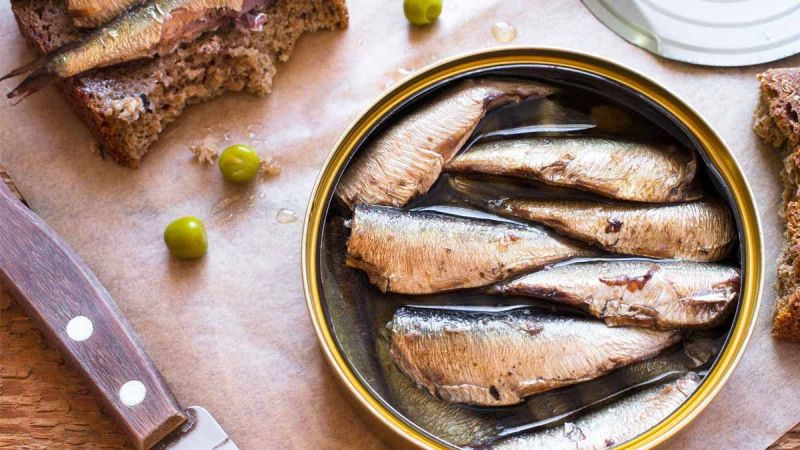
Two sardine tins can look similar on the shelf, but one may be much saltier than the other. For older adults who are watching blood pressure, kidney health, swelling, or heart concerns, sodium is not a small detail.
Look for these words on the label:
- Low sodium
- No salt added
- Packed in water
- Packed in olive oil
- With bones
- Wild caught, when available
- BPA free lining, if this matters to you
FDA and EPA advice encourages choosing a variety of fish that are lower in mercury, and sardines are generally considered a lower mercury seafood choice compared with many larger predatory fish.
Still, variety is wise.
Do not make sardines your only fish forever. Rotate with salmon, trout, herring, anchovies, mussels, or other seafood that fits your budget and medical needs.
Here is a quick shopping guide.
| If the label says | What it means for your routine |
|---|---|
| In brine | Often saltier, so check sodium |
| In tomato sauce | Convenient, but may contain added sugar or salt |
| In olive oil | Good flavour, but still check calories and sodium |
| In water | Lighter option, easy to season yourself |
| Boneless and skinless | Milder taste, but less calcium |
| With bones | More calcium, and the bones are usually soft enough to eat |
The best choice for many people is simple: sardines with bones, lower sodium if possible, packed in water or olive oil, then seasoned at home with lemon and herbs.
That one habit keeps you in control.
When Sardines May Not Be Right for You
This is the warning section people should not skip.
Sardines are nutritious, but they are not right for everyone in the same amount. A family doctor would rather you ask early than quietly push through a food that does not suit your body.
Be careful with sardines if you have:
- Fish allergy
- Gout or high uric acid concerns
- Kidney disease or strict protein limits
- Sodium restriction
- Swallowing difficulties
- Strong reflux triggered by oily foods
- A medical plan that requires careful nutrient tracking
Mayo Clinic notes that sardines are among the seafoods higher in purines, which matters for people with gout, though small amounts of fish may still fit for some individuals depending on their personal situation.
Here is the honest advice.
If sardines trigger gout flares, swelling, stomach upset, or a reaction, do not force the routine. Choose another protein and speak with a healthcare professional.
And if you take blood thinning medication, have kidney concerns, or are under specialist care, ask before making frequent oily fish meals a major routine.
Food should support your life, not make you anxious.
Pair Sardines With Movement, Not Wishful Thinking
image_group
query: “senior doing gentle chair exercise near sunny window realistic lifestyle photo”
num_per_query: 1
This is where many people get disappointed.
They add one healthy food, then wait for their joints to feel completely different. When that does not happen, they give up.
But arthritis after 60 is usually not improved by wishful thinking or single food habits. It needs a whole day pattern.
The NHS highlights regular exercise, a balanced diet, and healthy weight as helpful parts of living with osteoarthritis.
Strength matters too.
Research on older adults with osteoarthritis has found that strength training programs can improve strength and function, and may help reduce pain when done appropriately.
So the sardine routine should be paired with gentle movement.
Try this after lunch or dinner:
- Walk slowly for 5 to 10 minutes
- Do 5 sit to stand movements from a stable chair
- Practice gentle ankle circles
- Stretch calves against a wall
- Use light resistance bands if approved for you
Do not punish your joints.
The goal is to wake up circulation, maintain strength, and remind your body that movement is still safe when done carefully.
Here is a simple rule: eat for support, move for function, rest for recovery.
That combination is much stronger than a tin of sardines alone.
A 7 Day Sardine Routine for Older Adults
This plan is not a prescription. It is a practical example for people who want structure without turning lunch into a medical project.
Adjust portions based on appetite, weight goals, blood pressure needs, gout history, kidney health, and professional advice.
| Day | Sardine idea | Joint friendly pairing | Gentle habit |
|---|---|---|---|
| Monday | Sardines on whole grain toast | Tomato, cucumber, lemon | 10 minute walk |
| Tuesday | No sardines | Lentil soup with greens | Chair sit to stands |
| Wednesday | Sardine and potato salad | Green beans, parsley, vinegar | Calf stretch |
| Thursday | No sardines | Eggs or beans with vegetables | Easy walk |
| Friday | Sardines with brown rice | Spinach, peppers, olive oil | Ankle circles |
| Saturday | No sardines | Chicken, tofu, or salmon | Light gardening |
| Sunday | Optional small sardine spread | Greek yogurt, mustard, rye toast | Restorative stretching |
Notice something important.
Sardines are not used every day. This keeps variety in the diet and lowers the chance that the routine becomes too salty, too repetitive, or unsuitable for someone with special health needs.
The best routines are boring in the best possible way.
They are repeatable.
They do not require motivation.
They sit quietly in your pantry until you need a sensible meal.
Common Sardine Mistakes That Can Work Against You
Sardines can be a smart food, but the surrounding meal can ruin the purpose.
The most common mistake is adding too much salt around an already salty food. Salted crackers, processed meats, salty cheese, pickles, and bottled sauces can push the meal in the wrong direction.
Another mistake is expecting sardines to do the job of movement, sleep, hydration, and medical guidance.
They cannot.
Here is a myth and reality table.
| Myth | Reality |
|---|---|
| “If sardines are healthy, I should eat them daily.” | Not necessarily. Variety is safer and more balanced. |
| “Sardines will fix arthritis.” | No single food should be framed that way. They may support a joint friendly eating pattern. |
| “Boneless sardines are always better.” | They are milder, but sardines with soft bones provide more calcium. |
| “The sauce does not matter.” | Sauce can add sodium or sugar, so read labels. |
| “Supplements are always stronger than food.” | Whole foods provide protein, minerals, and fats together. Supplements need individual guidance. |
This is the part people overlook.
A sardine routine is not just about adding sardines. It is about replacing less helpful meals.
If sardines replace processed meats, sugary snacks, or low protein lunches, that is a meaningful upgrade.
If sardines are simply added on top of a salty, processed diet, the benefit becomes less clear.
Conclusion: The Small Rule That Makes Sardines Smarter
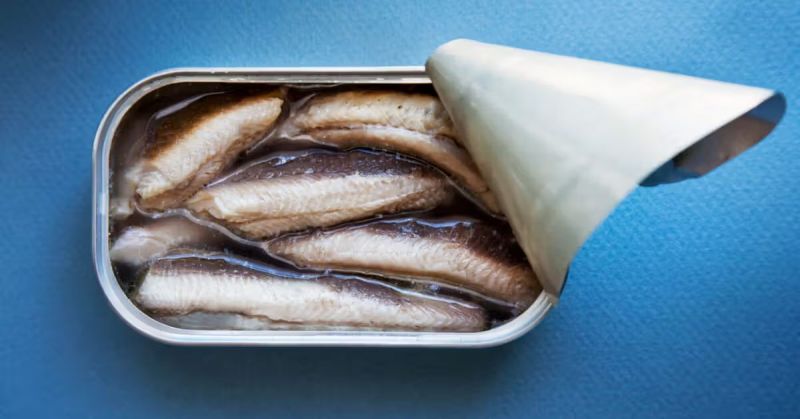
The small rule is this: do not eat sardines alone and do not eat them carelessly.
Pair them.
Pair sardines with vegetables. Pair them with whole grains or potatoes. Pair them with lemon and herbs instead of extra salt. Pair them with gentle movement. Pair them with medical common sense if you have gout, kidney concerns, allergies, or medication considerations.
That is how a humble tin becomes a routine instead of a risky shortcut.
Arthritis after 60 can make people feel older than they are. It can make them hesitate before stairs, avoid walks, and feel embarrassed by small movements in public.
But small routines still matter.
A better lunch will not rewrite your health overnight, but it can help you feel more in control. And for many older adults, that sense of control is the first step back toward confidence.
FAQ
image_group
query: “senior couple asking doctor nutrition questions joint health realistic photo”
num_per_query: 1
Are sardines good for arthritis after 60?
Sardines can be part of a joint friendly eating pattern because they provide omega 3 fats, protein, calcium when eaten with bones, and vitamin D. They should not be presented as a guaranteed answer for arthritis, but they can support a balanced lifestyle that also includes movement, healthy weight habits, and professional care.
How often should older adults eat sardines?
Many general heart health guidelines suggest eating fish twice per week, especially fatty fish, but personal needs vary. If you have gout, kidney disease, sodium limits, or other medical concerns, ask a healthcare professional how often sardines are appropriate for you.
Are canned sardines better with bones?
Sardines with soft edible bones usually provide more calcium than boneless sardines. If you tolerate the texture, they can be a useful non dairy calcium source. If the bones bother you, boneless sardines still provide protein and omega 3 fats.
What is the healthiest way to eat sardines?
A practical choice is lower sodium sardines with lemon, herbs, vegetables, and a high fibre base like whole grain toast, beans, brown rice, or potatoes. This keeps the meal filling without relying on salty crackers or heavy sauces.
Who should avoid a frequent sardine routine?
People with fish allergy should avoid sardines. People with gout, kidney disease, sodium restriction, swallowing problems, or complex medication routines should get personal guidance before eating sardines frequently.
Medical disclaimer: This article is for general educational purposes only and does not replace advice from a qualified healthcare professional.