Many people first notice small changes in their vision during everyday moments. You reach for a menu in a favorite café, struggle to read the ingredients on a medicine label, or find yourself needing brighter light just to thread a needle. It can feel frustrating, even a little embarrassing, especially when everyone else seems to read effortlessly. The good news is that while no single food can guarantee perfect eyesight, certain daily nutrition habits may help support healthy eyes as you age. And before you dismiss that glass of kale juice as just another wellness trend, there’s an important reason it continues to appear in traditional nutrition conversations that many people overlook.
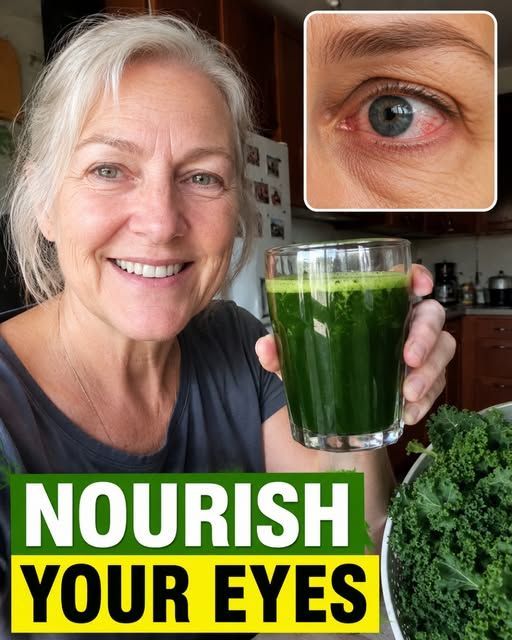
Why Kale Keeps Appearing in Conversations About Healthy Eyes
Kale has earned its reputation for one simple reason. It is naturally packed with nutrients that are known to support normal eye function.
Unlike many fashionable health drinks that rely on bold marketing claims, kale has been studied for decades because it contains a unique combination of vitamins, minerals, and plant compounds.
Among the nutrients found in kale are
- Lutein
- Zeaxanthin
- Vitamin C
- Vitamin K
- Beta carotene
- Small amounts of vitamin E
- Potassium
Researchers have paid particular attention to lutein and zeaxanthin because these natural pigments become concentrated inside the retina and the macula, the central part of the eye responsible for detailed vision.
Studies suggest these compounds may help filter some high energy blue light while supporting the body’s natural antioxidant defenses. They are considered part of a healthy dietary pattern rather than a replacement for regular eye care.
That is why kale continues to appear in discussions about healthy aging.
What Actually Happens to Your Eyes After Age Fifty
Many people assume vision changes happen suddenly.
The reality is much slower.
The eyes change little by little over many years.
Common age related changes include
| Normal Change | What You May Notice |
| | |
| Reduced flexibility of the lens | Reading becomes harder |
| Less tear production | Dry or irritated eyes |
| Increased sensitivity to glare | Night driving feels difficult |
| Slower adaptation to darkness | Longer adjustment when entering dim rooms |
| Reduced contrast sensitivity | Objects appear less sharp |
But that is not the whole story.
Lifestyle also plays a surprisingly important role.
Smoking, poor dietary habits, limited physical activity, long term sun exposure, and uncontrolled blood pressure or blood sugar may all influence long term eye health.
This means your daily habits matter more than many people realize.
Why Lutein and Zeaxanthin Receive So Much Attention

Here is where things become especially interesting.
Unlike some nutrients that the body can produce on its own, lutein and zeaxanthin must come from food.
Scientists often describe them as carotenoids, a family of colorful plant compounds.
Research suggests they may
- Help protect eye tissues from oxidative stress
- Support healthy macular function
- Filter portions of blue light before it reaches delicate retinal tissue
- Contribute to normal visual performance throughout aging
However, these nutrients are not miracle ingredients.
Eating kale juice for one week will not suddenly transform eyesight.
Instead, experts generally view these nutrients as part of a long term healthy eating pattern.
Consistency matters much more than quantity.
Is Kale Juice Better Than Eating Whole Kale?
This question comes up often.
The answer depends on your goals.
Whole kale contains all of its natural fiber, which supports digestion and helps many people feel full longer.
Juicing removes much of that fiber but may allow some people to consume larger amounts of leafy greens more easily.
Here is a simple comparison.
| Whole Kale | Kale Juice |
| | |
| Higher in fiber | Lower fiber |
| More filling | Easier to drink |
| Slower digestion | Convenient for busy mornings |
| Excellent for meals | Useful alongside balanced meals |
If you enjoy kale juice, think of it as one piece of a healthy eating plan rather than the entire plan itself.
Adding fruit, excessive sweeteners, or large amounts of juice concentrates may increase sugar intake, so moderation remains important.
Other Foods That Work Well Alongside Kale

One of the biggest nutrition mistakes is believing that a single superfood does all the work.
Healthy eyes benefit from a wide variety of nutrients.
Consider including foods such as
- Salmon and other oily fish for omega 3 fats
- Eggs for lutein and zeaxanthin
- Orange peppers
- Spinach
- Broccoli
- Blueberries
- Citrus fruits
- Walnuts
- Almonds
- Sweet potatoes
Each food contributes different nutrients that support overall wellness.
Together they create a much stronger dietary pattern than relying on any one ingredient.
Simple Daily Habits That May Help Support Eye Health

Nutrition is only part of the picture.
Many eye care professionals encourage daily habits such as
First, wear sunglasses that block ultraviolet light whenever you spend extended time outdoors.
Second, stop smoking if you currently smoke.
Third, stay physically active through walking, cycling, swimming, or other activities you enjoy.
Fourth, manage chronic conditions such as diabetes and high blood pressure with guidance from your healthcare provider.
Fifth, take regular breaks from digital screens using the twenty twenty twenty guideline. Every twenty minutes, look at something about twenty feet away for twenty seconds.
Finally, schedule regular comprehensive eye examinations even if your vision seems stable.
Many age related eye conditions develop gradually and may not cause obvious symptoms early on.
A Simple Kale Juice Routine You Can Try
If you would like to include kale juice in your weekly routine, keep it simple.
Step One
Wash fresh kale thoroughly.
Step Two
Blend kale with water rather than relying entirely on commercial juices.
Step Three
For flavor, add small amounts of cucumber, celery, lemon, or green apple.
Step Four
Avoid adding excessive sugar or syrups.
Step Five
Enjoy it alongside a balanced breakfast that includes protein and healthy fats.
Some people also find that adding a small amount of healthy fat, such as avocado or a handful of nuts during the same meal, may help with absorption of fat soluble nutrients.
Common Myths About Kale and Eye Health

Many myths circulate online.
Let’s separate fact from fiction.
| Myth | Reality |
| | |
| Kale juice restores lost vision | No food has been shown to restore vision on its own |
| More kale is always better | Balance and variety remain important |
| Supplements are always equal to food | Whole foods provide many nutrients working together |
| Drinking kale juice replaces eye exams | Regular professional eye care remains essential |
This balanced perspective helps protect people from unrealistic expectations while encouraging habits that genuinely support overall health.
What Research Currently Suggests
Large nutrition studies consistently associate diets rich in leafy green vegetables with better overall health.
Research also suggests that dietary patterns containing lutein and zeaxanthin may help support normal eye function throughout aging.
Organizations such as the American Academy of Ophthalmology and nutrition researchers continue to encourage eating a wide variety of colorful fruits and vegetables as part of a healthy lifestyle.
Importantly, scientists do not recommend relying on any single food or drink to prevent or manage eye disease.
Instead, they emphasize the combined benefits of balanced nutrition, regular exercise, routine eye examinations, adequate sleep, and management of medical conditions.
That may sound less exciting than promises of instant results, but it is also far more realistic.
Final Thoughts
A simple glass of kale juice is unlikely to be a miracle solution.
Yet it may represent something much more valuable.
It can become a daily reminder to nourish your body with foods rich in vitamins, antioxidants, and colorful plant compounds that support overall wellness.
For many older adults, the biggest improvement comes not from one spectacular health trick but from dozens of small, consistent habits practiced over months and years.
If kale juice encourages you to eat more leafy greens, choose healthier breakfasts, and pay greater attention to your long term eye health, then it has already provided meaningful value.
Small choices, repeated consistently, often become the habits that make the biggest difference over time.
Frequently Asked Questions
Is it safe to drink kale juice every day?
For most healthy adults, moderate amounts of kale juice can be included as part of a balanced diet. People taking blood thinning medications or those with certain medical conditions should speak with their healthcare provider before making major dietary changes because kale is naturally high in vitamin K.
Does kale juice improve eyesight immediately?
No. There is no reliable scientific evidence showing that kale juice provides immediate improvements in eyesight. Its nutrients are best viewed as supporting long term eye health when combined with an overall healthy lifestyle.
Should I choose kale juice or whole kale?
Both can fit into a healthy eating pattern. Whole kale provides more fiber, while kale juice may be a convenient option for people who find it difficult to eat enough leafy greens. Including both over time can provide variety.
Medical Disclaimer
This article is intended for educational purposes only and should not be considered medical advice. It does not diagnose, prevent, or treat any medical condition. If you notice sudden vision changes, persistent eye discomfort, or other concerning symptoms, consult a qualified healthcare professional or eye care specialist promptly.