Waking up with a throbbing tooth can feel surprisingly embarrassing. Many older adults admit they have tried to chew on one side of the mouth, avoided smiling, or quietly searched for home remedies before calling a dentist. A small bottle of amber colored clove oil often appears as the “quick fix” passed down by family members or shared online. But the uncomfortable truth is that relying on it too often may delay attention to problems that deserve a closer look. And what many people do with clove oil could actually make a sensitive mouth even more irritated. By the end of this article, you may see this familiar remedy in a very different way.
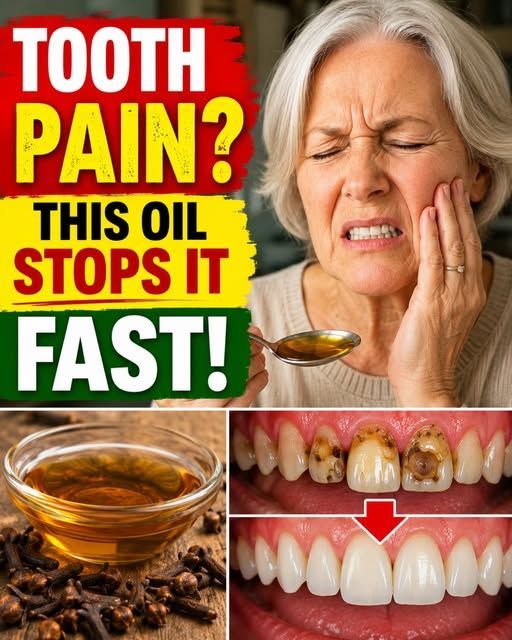
Why So Many People Reach for Clove Oil First
Clove oil has been used in traditional practices for centuries. The oil contains a natural compound called eugenol, which has mild numbing and soothing properties.
This is why some people notice temporary comfort after applying a tiny amount to an irritated area in the mouth.
For older adults, the appeal is obvious.
It is inexpensive.
It is easy to find.
It feels like something natural and familiar.
But here is where things become important.
Clove oil may sometimes help mask discomfort for a short period, yet it does not address what is causing the tooth pain in the first place.
And that cause could range from something minor to something that requires professional attention.
Common reasons behind tooth discomfort include:
• Tooth decay
• Cracked teeth
• Gum inflammation
• Exposed tooth roots
• Loose fillings or crowns
• Teeth grinding during sleep
• Sinus pressure
• Food trapped between teeth
The sensation of pain is often your body’s warning signal.
Ignoring that signal for too long may lead to bigger problems later.
The Mistakes People Often Make With Clove Oil

This is where many people unintentionally run into trouble.
Some individuals place undiluted clove oil directly onto the gums several times per day.
Others soak cotton balls with large amounts of oil and leave them in the mouth for hours.
Unfortunately, this approach may irritate delicate oral tissues.
Research and dental organizations have noted that concentrated essential oils can sometimes cause irritation or burning sensations when used improperly.
The mouth becomes more sensitive with age.
Saliva production may decline.
Gums may become thinner.
Certain medications can also contribute to dry mouth.
All of these factors may make older adults more vulnerable to irritation.
Here are some habits worth avoiding:
| Habit | Why It May Be Problematic |
|---|---|
| Applying pure clove oil repeatedly | May irritate gums and soft tissues |
| Using it for weeks without evaluation | May delay identifying the real cause |
| Placing large amounts on broken gums | Could increase discomfort |
| Using it instead of dental care | Underlying issues may continue worsening |
But that is not all.
A temporary reduction in discomfort can create a false sense of security.
A tooth that seems “better” may still have an underlying issue progressing quietly.
What Tooth Pain Is Really Trying to Tell You
Pain is rarely random.
A sudden sharp sensation when drinking cold water may suggest exposed dentin or an early cavity.
Pain when biting could point toward a cracked tooth.
A throbbing sensation that keeps you awake may indicate significant inflammation around the tooth.
And this is the part many people overlook.
As we age, dental issues may not always present dramatically.
Some serious conditions can begin with only mild discomfort.
You may notice:
• Increased sensitivity to sweets
• Mild swelling around one tooth
• Persistent bad taste in the mouth
• Pain radiating toward the ear
• Difficulty chewing certain foods
• Tenderness in the jaw
These subtle changes deserve attention.
Because sometimes the issue is not the tooth itself.
Sinus congestion, jaw joint problems, and even nighttime teeth grinding can create symptoms that resemble dental pain.
This is why self diagnosing based only on internet advice may not always be reliable.
When Clove Oil Might Be Reasonable and When It Is Not

The truth is more balanced than many headlines suggest.
Clove oil is not necessarily “bad.”
It simply has limitations.
For some people, a properly diluted amount may provide temporary soothing while waiting for a dental appointment.
Think of it as a short term comfort measure rather than a solution.
Situations where temporary use may be reasonable include:
• Mild short term sensitivity
• Waiting a day or two for a dental visit
• Temporary irritation after eating something very cold
However, there are situations where relying solely on home remedies deserves caution.
These include:
• Swelling of the face
• Fever
• Difficulty swallowing
• Persistent bleeding gums
• Severe throbbing pain
• Pain lasting more than several days
• Broken teeth after an injury
These symptoms should not be ignored.
And here is the interesting part.
Studies continue to show that maintaining regular dental evaluations remains one of the most effective ways to preserve oral function and quality of life in later years.
The Hidden Connection Between Oral Health and Healthy Aging
Many people still think of teeth as separate from the rest of the body.
But oral health influences much more than appearance.
Difficulty chewing may lead to avoiding nutritious foods.
Some older adults stop eating crunchy fruits, vegetables, or protein rich foods because chewing becomes uncomfortable.
Over time, this may contribute to nutritional challenges.
Poor oral comfort can also affect:
• Sleep quality
• Social confidence
• Enjoyment of meals
• Speaking clearly
• Overall wellbeing
This is one reason why family doctors and dentists increasingly encourage people to pay attention to oral symptoms earlier rather than later.
A small problem is often easier to manage than a larger one.
And this leads to a surprising realization.
The goal is not simply getting rid of discomfort.
The real goal is preserving comfort, confidence, and quality of life.
What You Can Do Today If a Tooth Is Hurting

If you are currently dealing with tooth discomfort, consider these practical steps.
Step 1
Rinse gently with warm water.
This may help remove trapped food particles.
Step 2
Floss carefully around the affected area.
Food lodged between teeth can sometimes create surprising discomfort.
Step 3
Avoid extremely hot or cold foods temporarily.
Sensitive teeth often react more strongly to temperature extremes.
Step 4
If using clove oil, use caution.
A very small amount that is appropriately diluted may offer temporary comfort for some people.
Avoid repeated heavy applications.
Step 5
Pay attention to warning signs.
Persistent pain deserves professional evaluation.
Step 6
Schedule a dental visit if symptoms continue.
Early evaluation often provides peace of mind and may help identify issues before they become more complicated.
Here is something many readers appreciate hearing.
Seeking help for tooth pain is not overreacting.
In fact, many people wish they had addressed symptoms sooner.
Habits That May Help Support Long Term Oral Comfort

Daily habits often matter more than occasional remedies.
Consider focusing on:
Gentle Oral Hygiene
Brush twice daily with a soft toothbrush.
Aggressive brushing may contribute to gum recession.
Staying Hydrated
Dry mouth becomes increasingly common with age and certain medications.
Adequate hydration supports oral comfort.
Balanced Nutrition
Foods rich in calcium, vitamin D, and protein support overall health.
Regular Dental Visits
Routine evaluations may identify concerns before they become painful.
Managing Teeth Grinding
Some individuals unknowingly clench their teeth during sleep.
Discussing this possibility with a dental professional may be worthwhile if morning jaw discomfort is common.
The little things often make the biggest difference over time.
Final Thoughts
Clove oil has earned its reputation as a traditional home remedy, and for some people it may provide short term soothing.
But the real message is this.
Persistent tooth pain deserves respect.
Pain is information.
It is your body’s way of asking you to pay attention.
The little amber bottle sitting in the medicine cabinet may offer temporary comfort, but it should never become a reason to ignore symptoms that continue, worsen, or interfere with daily life.
Healthy aging includes caring for your mouth just as carefully as you care for your heart, joints, or vision.
Sometimes the biggest relief comes not from another drop of oil, but from discovering what your teeth have been trying to tell you all along.
Frequently Asked Questions
Can clove oil permanently fix tooth pain?
No. Clove oil may provide temporary soothing for some people, but it does not address the underlying cause of discomfort.
Is it safe to put pure clove oil directly on the gums?
Concentrated essential oils may irritate sensitive tissues, especially in older adults. Excessive or repeated use may not be appropriate for everyone.
When should I seek professional advice?
Consider seeking evaluation if discomfort lasts more than several days, becomes severe, is associated with swelling, fever, difficulty chewing, or interferes with sleep.
Medical Disclaimer: This article is for educational purposes only and is not a substitute for professional medical or dental advice. Persistent tooth pain, swelling, or other concerning symptoms should be discussed with a qualified healthcare professional or dentist.