Hair does not usually change overnight. It often happens slowly. One day you notice more strands in the shower drain. A few months later, your ponytail feels thinner, your scalp seems more visible under bright bathroom lights, and styling your hair becomes frustrating.
For many men and women over 50, thinning and dull hair can quietly affect confidence. Some avoid certain hairstyles, hats become a daily habit, and photographs suddenly feel uncomfortable.
But here is the interesting part.
Many people spend hundreds of dollars on expensive shampoos and beauty products while overlooking one old fashioned remedy that has been sitting on pharmacy shelves for generations: castor oil.
Does it truly deserve its long standing reputation for supporting healthier looking hair? The answer is more nuanced than many advertisements suggest.
And there is one simple mistake many people make when using it that may explain why some swear by it while others notice very little difference.
Why Hair Often Changes After 50
As we age, hair naturally goes through several changes.
Hair follicles may become smaller over time. The growth phase of hair can shorten, and individual strands may become finer and weaker.
Several factors contribute to this process:
• Hormonal shifts during menopause or aging
• Reduced scalp circulation
• Nutritional deficiencies
• Increased stress levels
• Certain medications
• Years of heat styling and chemical treatments
Research suggests that aging hair also tends to lose moisture and protective oils more quickly. This can make hair appear dull, brittle, and lifeless.
The result?
Hair that once felt thick and shiny may suddenly seem dry, flat, and difficult to manage.
But that is not the whole story.
Daily habits can either support healthier hair aging or accelerate these visible changes.
What Exactly Is Castor Oil?

Castor oil comes from the seeds of the castor plant.
It has been used in traditional beauty practices for centuries in parts of Africa, India, and the Mediterranean region.
The oil is exceptionally thick compared with many other plant oils.
Its main component is ricinoleic acid, a fatty acid that has attracted scientific interest because of its moisturizing and skin conditioning properties.
Castor oil also contains:
• Vitamin E compounds
• Small amounts of omega fatty acids
• Natural antioxidants
Importantly, there is currently limited direct scientific evidence proving that castor oil dramatically increases hair growth in humans.
However, many dermatologists acknowledge that its moisturizing properties may create a healthier scalp environment, which could indirectly support better looking hair.
This distinction matters.
Healthy looking hair and actual new hair growth are not always the same thing.
Why Some People Notice Fuller Looking Hair
One reason castor oil remains popular is because it may improve several cosmetic aspects of hair.
1. It Helps Reduce Dryness
Dry hair tends to break more easily.
Castor oil forms a protective coating around hair strands, helping retain moisture.
Less breakage can make hair appear fuller over time.
2. It Improves Shine
The thick consistency of castor oil smooths the outer layer of the hair shaft.
This creates a reflective surface that can make hair appear shinier.
3. It May Support Scalp Comfort
A dry scalp often leads to itching and flaking.
Because castor oil has emollient properties, some individuals find that it helps improve scalp comfort.
4. It Makes Hair Look Thicker
This is perhaps the biggest reason people love it.
When strands are coated and moisturized, they can temporarily appear denser and healthier.
In other words, some of the “magic” may actually come from improving hair quality rather than producing dramatic new growth.

Castor Oil vs Other Popular Hair Oils
| Feature | Castor Oil | Coconut Oil | Argan Oil |
|---|---|---|---|
| Texture | Very thick | Medium | Light |
| Shine Effect | High | Moderate | High |
| Best For | Dry, brittle hair | Protein protection | Frizz control |
| Easy To Wash Out | No | Moderate | Yes |
| Scalp Massage | Good | Good | Moderate |
The truth is that no single oil works for everyone.
Hair texture, age, scalp condition, and styling habits all play important roles.
The Biggest Mistake People Make With Castor Oil
Here is the mistake many people do not realize.
They use too much.
Because castor oil is extremely thick, applying large amounts may:
• Make hair greasy
• Lead to product buildup
• Require aggressive washing afterward
• Increase breakage from excessive scrubbing
Ironically, trying to improve hair may sometimes create additional stress for already fragile strands.
A small amount often works better.
Think of it like seasoning food.
More is not always better.
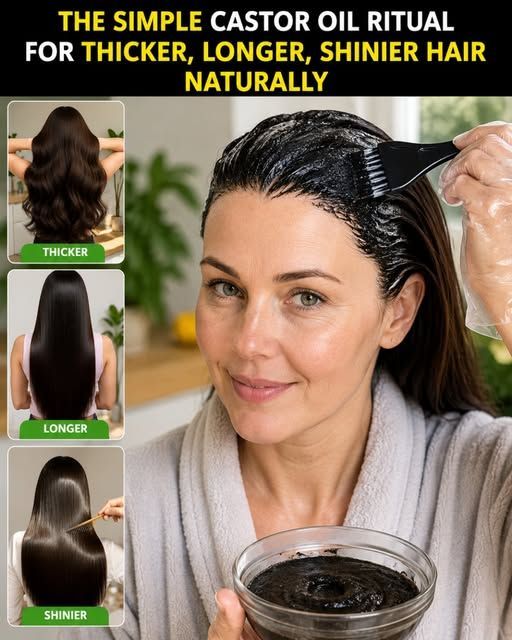
A Simple Castor Oil Routine for Mature Hair

If you wish to try castor oil as part of a hair care routine, a gentle approach is usually best.
Step 1
Mix one part castor oil with one or two parts of a lighter oil such as:
• Argan oil
• Jojoba oil
• Coconut oil
This makes application easier.
Step 2
Apply a small amount to the scalp and hair ends.
Avoid soaking the hair completely.
Step 3
Massage gently for several minutes.
Scalp massage itself may help improve circulation and relaxation.
Step 4
Leave it on for 30 minutes to several hours.
Some people prefer overnight use, although this is not necessary.
Step 5
Wash with a mild shampoo.
Avoid harsh scrubbing.
Consistency is usually more important than using large amounts.
Habits That Matter More Than Any Oil
This may be the most important section in the article.
No oil can compensate for poor overall hair health habits.
Several factors strongly influence hair appearance as we age.
Protein Intake
Hair is largely made of protein.
Older adults often eat less protein than they realize.
Include foods such as:
• Eggs
• Greek yogurt
• Beans
• Fish
• Lean poultry
Iron and Zinc
Low levels of these nutrients may contribute to increased hair shedding in some people.
Stress Management
Long term stress can influence the normal hair cycle.
Sleep, regular walking, and relaxation practices can help support overall wellbeing.
Gentle Hair Care
Avoid:
• Very tight hairstyles
• Excessive heat styling
• Frequent bleaching
• Harsh brushing
Sometimes reducing damage is more effective than adding another product.
When Hair Changes May Signal Something Else

Although gradual thinning is common with aging, sudden changes deserve attention.
Consider speaking with a healthcare professional if you notice:
• Rapid hair shedding
• Bald patches
• Significant scalp irritation
• Hair loss accompanied by fatigue or weight changes
Certain medical conditions, medications, thyroid issues, and nutritional deficiencies can sometimes contribute to noticeable hair changes.
Identifying the underlying cause is often more important than trying additional cosmetic products.
What Does Research Actually Say?
Scientific evidence directly linking castor oil to dramatic hair growth remains limited.
However, studies consistently show that maintaining scalp moisture and minimizing hair shaft damage can improve the appearance and manageability of aging hair.
Researchers also recognize that massage and gentle scalp care may support a healthier hair environment.
This means castor oil may have value as part of a broader hair care routine, especially for people with dry or brittle hair.
But expectations should remain realistic.
It is unlikely to work as an overnight miracle.
Simple Daily Habits for Healthier Looking Hair After 50
Morning
• Eat a protein rich breakfast
• Stay hydrated
• Protect hair from excessive sun exposure
Evening
• Avoid sleeping with tight hairstyles
• Use gentle brushing techniques
• Consider a light scalp massage
Weekly
• Use nourishing oils sparingly
• Deep condition dry hair
• Trim damaged ends regularly
Small habits often create bigger long term changes than expensive products.
Conclusion
Hair thinning and dullness can feel discouraging, especially when they seem to appear without warning.
Castor oil is not a miracle solution, and scientific evidence for dramatic hair regrowth remains limited.
However, its moisturizing properties may help improve shine, reduce breakage, support scalp comfort, and make hair appear fuller and healthier.
The bigger lesson may be this:
Healthy looking hair after 50 usually depends on a combination of gentle care, good nutrition, stress management, and realistic expectations.
Sometimes the simplest routines are the ones people overlook for years.
And perhaps that old bottle of thick oil on the bathroom shelf deserves a second look.
Frequently Asked Questions
Does castor oil make hair grow faster?
There is limited scientific evidence showing that castor oil directly speeds hair growth. However, it may improve scalp moisture and reduce breakage, making hair appear healthier.
How often should older adults use castor oil?
One or two times per week is often sufficient. Using too much may lead to buildup and greasy hair.
Can castor oil help with dry, dull hair?
Many people find that castor oil improves softness and shine because of its moisturizing properties.
Medical Disclaimer
This article is for educational purposes only and should not replace professional medical advice. Persistent or sudden hair changes should be discussed with a qualified healthcare professional, especially if accompanied by other symptoms.