In today’s fast-paced world, many people struggle with low energy, occasional digestive discomfort, and concerns about long-term wellness linked to modern eating habits heavy in processed foods. These small but noticeable challenges can add up, leaving you feeling less than your best day after day. The good news is that one humble pantry staple offers a simple way to support your nutrition naturally. But there’s more to this tiny seed than meets the eye — keep reading to discover practical ways to incorporate it and why it has captured the attention of health enthusiasts and researchers alike.

The Nutritional Powerhouse Inside Flaxseeds
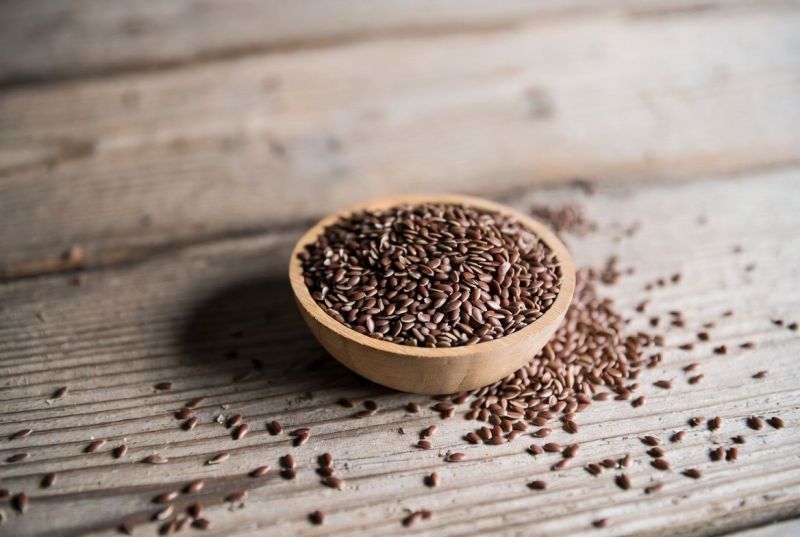
Flaxseeds, also known as linseeds, are small brown or golden seeds packed with essential nutrients. They stand out for their impressive profile of omega-3 fatty acids, particularly alpha-linolenic acid (ALA), dietary fiber, and unique plant compounds called lignans.
One tablespoon of ground flaxseed provides about 37 calories, 2 grams of fiber, and 1.8 grams of plant-based omega-3s. This combination makes them a versatile addition for anyone looking to enhance their daily meals without complicated changes.
Here’s a quick look at their key components:
- Omega-3 Fatty Acids (ALA): A plant source of these healthy fats that the body partially converts for various uses.
- Soluble and Insoluble Fiber: Supports regular digestion and helps you feel fuller longer.
- Lignans: Antioxidant-like compounds with phytoestrogen properties.
- Protein and Minerals: Small amounts of protein plus magnesium and other micronutrients.
This nutrient density is why flaxseeds appear in many discussions about balanced eating.
How Flaxseeds May Support Heart Health
Research has explored how the omega-3s and fiber in flaxseeds relate to cardiovascular wellness. Some studies suggest that regular intake may help maintain healthy cholesterol levels and support normal blood pressure when part of an overall healthy diet.
For instance, certain reviews of clinical trials have noted positive associations with lipid profiles. But remember, these effects work best alongside other lifestyle habits like staying active and eating a variety of whole foods.
But that’s not all. The fiber content also plays a role in how your body processes fats and sugars from meals.
Flaxseeds and Digestive Wellness
Many people turn to flaxseeds for gentle digestive support. The mix of soluble fiber (which forms a gel-like substance) and insoluble fiber (which adds bulk) can promote regularity and comfort.
If you’ve ever felt bloated or irregular, incorporating ground flaxseeds gradually with plenty of water often helps. Start small to let your system adjust comfortably.
Potential Benefits for Blood Sugar Balance
Some research indicates that the fiber and other compounds in flaxseeds may support stable blood sugar levels when consumed as part of balanced meals. A meta-analysis of trials found associations with improved markers in certain groups, though individual results vary.
This makes them an interesting option for those focusing on steady energy throughout the day.
Other Areas of Interest: Weight Management and More
Flaxseeds can contribute to feelings of fullness thanks to their fiber and healthy fats. This may indirectly support weight management goals when combined with calorie awareness and movement. Studies have looked at their role in overall metabolic health as well.
Additionally, the lignans have drawn attention in antioxidant and hormone-related research, though more studies are always ongoing.
Simple Recipe: Flaxseed Yogurt Bowl (Inspired by the Image)
One easy way to enjoy them is similar to the visual in many wellness posts — a creamy base topped with seeds.
Ingredients (1 serving):
- 1 cup plain Greek yogurt or plant-based alternative
- 1-2 tablespoons ground flaxseeds
- Fresh berries or a sprinkle of cinnamon
- Optional: A drizzle of honey or a few chopped nuts
Steps:
- Stir the ground flaxseeds directly into the yogurt.
- Top with berries and any extras.
- Enjoy immediately for best texture.
This takes under 5 minutes and works great for breakfast or a snack.
Actionable Tips: How to Add Flaxseeds to Your Routine
Ready to try them? Here are practical ways to make it effortless:
- Grind for Better Absorption: Whole seeds often pass through undigested. Use a coffee grinder or buy pre-ground and store in the fridge or freezer.
- Start Slow: Begin with 1 teaspoon daily and increase to 1-2 tablespoons as tolerated.
- Sprinkle Everywhere: Add to oatmeal, smoothies, salad dressings, or muffin batter.
- Baking Boost: Substitute part of the flour or add to breads for a nutty flavor.
- Hydration Matters: Drink extra water when increasing fiber intake.
Pro Tip: To make a “flax egg” for vegan baking, mix 1 tablespoon ground flax with 3 tablespoons water and let it sit for 5 minutes. It acts as a binder in recipes.
Storage and Safety Guidelines
Keep ground flaxseed in an airtight container in the refrigerator to prevent oxidation of the healthy fats. Whole seeds last longer at room temperature but grind fresh for maximum benefits.
Most people tolerate flaxseeds well, but consult a healthcare provider if you have specific conditions, are pregnant, or take medications (especially blood thinners or hormone-related ones), as lignans have mild estrogenic effects.
Conclusion: A Small Seed, Big Potential in Your Daily Life
Flaxseeds offer an accessible way to enhance your intake of omega-3s, fiber, and antioxidants. By making them a consistent part of meals like the simple yogurt bowl, you support your wellness journey one small habit at a time. The key is consistency and pairing them with a varied, balanced diet.
What small change will you try first? Experiment and notice how it fits your lifestyle.

FAQ
1. Should I eat flaxseeds whole or ground?
Ground flaxseeds are generally recommended because they are easier to digest and allow your body to absorb the nutrients more effectively. Whole seeds can be used in some recipes but may pass through largely undigested.
2. How much flaxseed should I consume daily?
A common starting amount is 1 to 2 tablespoons of ground flaxseed per day. Listen to your body and increase gradually while staying hydrated.
3. Can I add flaxseeds to hot foods?
Yes! They hold up well in baking and smoothies. Adding to warm oatmeal or soups works great, though very high heat for long periods may slightly reduce some heat-sensitive nutrients.
Disclaimer: This article is for informational purposes only and is not intended as medical advice. The statements here have not been evaluated by the FDA. Consult with a qualified healthcare professional before making significant changes to your diet, especially if you have health conditions or take medications. Individual results may vary.