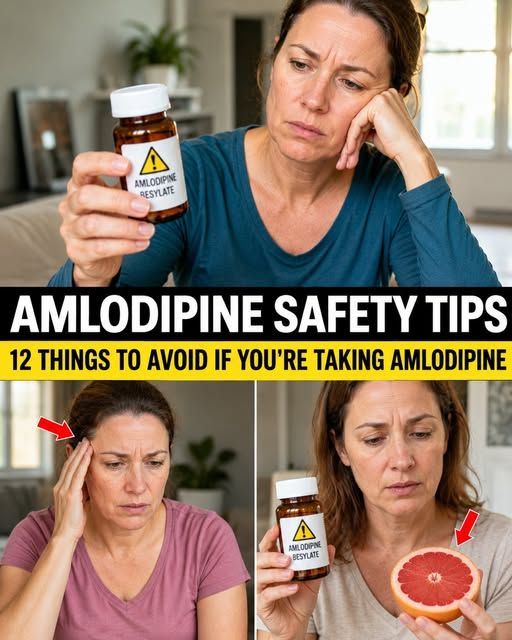
Living with high blood pressure often means adding medications like amlodipine to your daily routine. You want to do everything right, but it can feel overwhelming when you wonder if certain foods, drinks, or habits might interfere with how well your medication works or even increase unwanted effects. Many people taking this common calcium channel blocker notice swelling in their ankles, occasional dizziness, or flushing, and naturally start questioning their everyday choices. The good news is that by understanding a few key precautions, you can feel more confident and in control of your health journey.
But that’s just the beginning—there are practical steps and surprising insights that can make a real difference in how you experience your treatment.
Why These Precautions Matter for Amlodipine Users
Amlodipine helps relax blood vessels to support healthy blood pressure levels. However, certain substances can affect how your body processes the medication or amplify its common effects like ankle swelling, headaches, or lightheadedness. Research and patient guidelines consistently highlight the importance of being mindful of interactions. Studies have shown that avoiding specific triggers helps maintain steady medication levels and reduces discomfort.
Knowing what to watch for empowers you to make informed daily decisions without unnecessary worry.
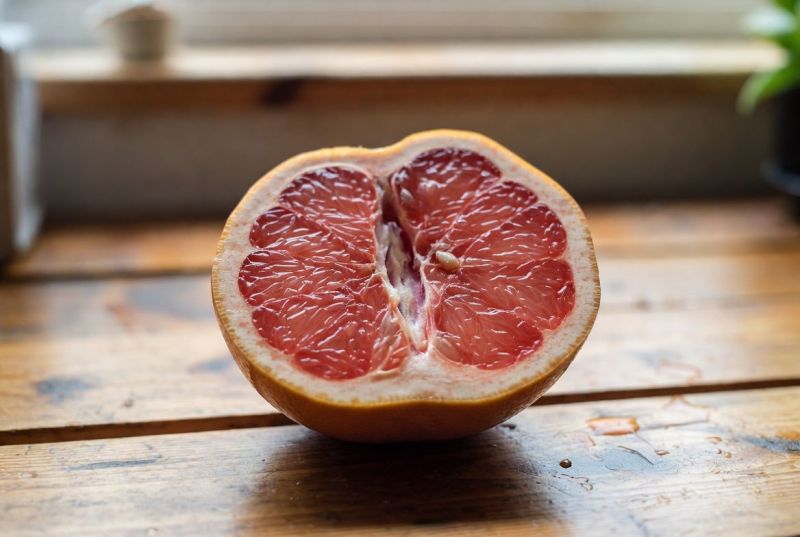
1. Grapefruit and Grapefruit Juice – A Top Concern
One of the most well-known considerations is grapefruit. Compounds in grapefruit can slow down the breakdown of amlodipine in your system, potentially leading to higher levels of the medication and increased side effects such as dizziness or swelling.
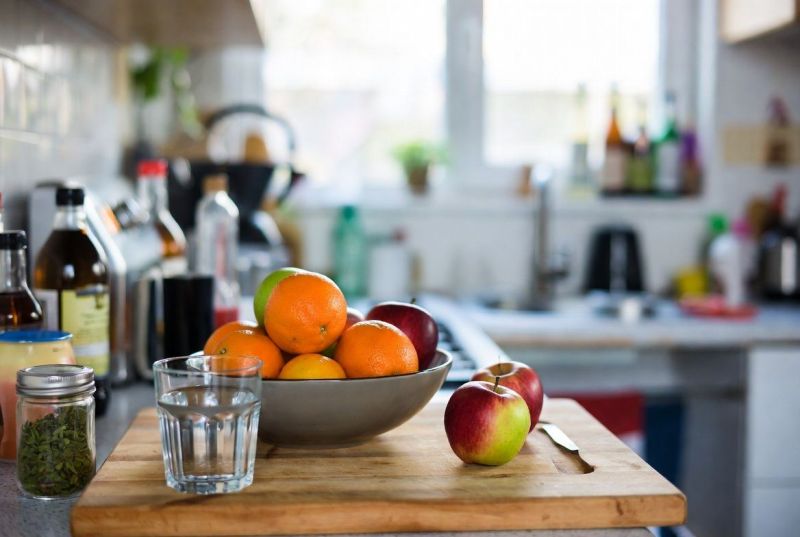
Health authorities like the NHS recommend avoiding grapefruit products entirely while taking amlodipine. Even small amounts in juices or whole fruit can have an impact. Instead, opt for alternatives like oranges or apples to enjoy your morning routine safely.
2. Excessive Alcohol Consumption
While amlodipine doesn’t have a direct chemical clash with alcohol, combining them can intensify feelings of dizziness, tiredness, or low blood pressure. This combination may make it harder to stay steady on your feet, especially when standing up quickly.
Many experts suggest limiting alcohol to moderate levels or discussing your habits with your doctor. A glass of wine with dinner might be fine for some, but paying attention to how you feel is key. Hydration and timing matter—space out any drinks and monitor your body’s response.
3. Certain Pain Relievers Like NSAIDs
Over-the-counter options such as ibuprofen or naproxen (common NSAIDs) can sometimes reduce how effectively amlodipine manages blood pressure. They may also stress the kidneys when used long-term alongside blood pressure medications.
Consider acetaminophen as a gentler alternative for occasional pain. Always check labels and talk to your pharmacist before reaching for pain relief. Simple swaps like this can support your overall plan without major changes.
4. High-Sodium Foods That Counteract Benefits
Processed snacks, canned soups, and fast food often pack high amounts of sodium, which can work against your blood pressure goals. Even if your medication is doing its job, excess salt may lead to fluid retention and swelling.
Focus on fresh ingredients, herbs, and spices for flavor. Reading nutrition labels becomes a helpful habit—aim for options under 140mg sodium per serving when possible. Small consistent changes here often lead to noticeable improvements in how you feel.
5. Sudden Intense Exercise Without Guidance
Starting a vigorous new workout routine can affect blood pressure temporarily. While regular activity is excellent for heart health, jumping in too quickly may cause dizziness or fatigue when combined with amlodipine.
Begin with gentle walks or consult your doctor for a safe plan. Listening to your body and building up gradually helps you enjoy movement while staying comfortable.
6. Certain Supplements Like St. John’s Wort
Herbal supplements such as St. John’s Wort can speed up the processing of amlodipine, potentially making it less effective. Other herbs may have different effects.
Always share a full list of supplements with your healthcare provider. They can help identify safe options tailored to your needs.
7. Dehydration – Stay Ahead of It
Not drinking enough fluids can worsen side effects like dizziness. Amlodipine’s blood vessel relaxation effect pairs best with good hydration.
Carry a water bottle and aim for consistent intake throughout the day. Herbal teas or infused water can make it more enjoyable.
8. Unmonitored Blood Pressure Spikes from Stimulants
Some cold medications containing decongestants like pseudoephedrine may raise blood pressure. Check with a professional before using them.
Natural remedies such as saline sprays or honey for coughs can be gentler alternatives during cold season.
9. Stopping Medication Abruptly
Suddenly quitting amlodipine without guidance can cause rebound effects. Always follow your doctor’s plan for any changes.
Regular check-ins help adjust doses safely as your needs evolve.
10. Heavy Meals Before Bedtime
Large, rich dinners close to bedtime may contribute to discomfort or affect how you rest. Pairing lighter evening meals with your medication routine supports better sleep.
11. Ignoring Ankle Swelling or Other Changes
Mild swelling is common, but sudden or severe symptoms deserve attention. Elevating your legs, reducing salt, and staying active can help manage it.
Track patterns and report concerns promptly.
12. Skipping Regular Doctor Visits
Routine monitoring ensures your treatment stays on track. Blood tests and discussions catch any adjustments early.
Actionable Tips You Can Start Today
Here’s a simple checklist to build better habits:
- Review your fridge and pantry for grapefruit products and replace them.
- Set a daily water reminder on your phone.
- Choose low-sodium versions of favorite foods for one meal a day.
- Keep a small notebook for symptoms and medication questions.
Lifestyle Habits That Support Your Medication
Beyond avoidance, positive steps make a difference. A balanced diet rich in vegetables, lean proteins, and whole grains complements amlodipine well. Regular gentle exercise, stress management through breathing or walking, and consistent sleep patterns all play supporting roles. Research shows these combined approaches help many people feel their best while on blood pressure medication.
Common Questions About Amlodipine Safety
Can I drink coffee while taking amlodipine?
Moderate caffeine intake is usually fine, but watch for personal sensitivity to jitteriness or heart rate changes.
What should I do if I miss a dose?
Take it as soon as you remember unless it’s close to the next dose. Never double up.
Is it okay to take amlodipine with other blood pressure medicines?
Many people use combinations safely, but your doctor will tailor this based on your specific situation.
Final Thoughts on Managing Amlodipine Wisely
By being mindful of these 12 areas, you can help your medication work more effectively and reduce common annoyances. Small, consistent choices add up to better daily comfort and confidence in your health routine. Remember, everyone’s experience is unique—what matters most is finding what works for you with professional guidance.
Disclaimer: This article is for informational purposes only and does not replace professional medical advice. Always consult your doctor or pharmacist before making changes to your medication, diet, or lifestyle. Individual responses to amlodipine can vary.