Many older adults notice more frequent muscle discomfort, especially in the legs, as the years go by. Simple daily movements can suddenly feel harder, nights get interrupted, and energy levels dip. These changes often connect to shifts in how the body manages key minerals like magnesium, which plays an important role in muscle function and overall relaxation.

The good news is that small, delicious changes to your meals can help you get more of this essential mineral naturally. In this guide, we’ll explore five standout magnesium-rich foods, why they matter for seniors, and practical ways to enjoy them every day. Keep reading to the end for a simple daily plan that makes it easy to include these foods and a few bonus tips you might not expect.
Why Magnesium Matters More as We Age
Magnesium supports hundreds of processes in the body, including muscle and nerve function. Research shows that many older adults get less magnesium from their diet than they need, partly because absorption can decrease over time.
When magnesium levels are lower, muscles may feel tighter or more prone to discomfort. Eating magnesium-rich whole foods is one of the gentlest and most sustainable ways to support your body’s natural balance. Unlike isolated supplements, these foods bring fiber, antioxidants, and other nutrients that work together.
The Top 5 Magnesium-Rich Foods for Older Adults
Here are five accessible, tasty options backed by nutrition science. Each one delivers a meaningful amount of magnesium in everyday portions.
1. Pumpkin Seeds (Pepitas)
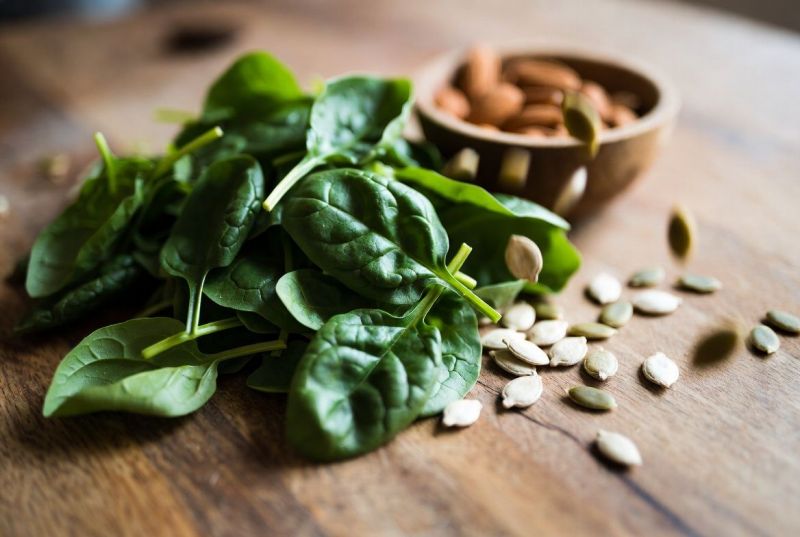
One ounce of roasted pumpkin seeds provides about 156 mg of magnesium — nearly 40% of the daily value for many adults. They’re crunchy, satisfying, and incredibly versatile. Sprinkle them on salads, yogurt, or oatmeal, or enjoy a small handful as an afternoon snack. Their healthy fats also help your body absorb fat-soluble vitamins.
2. Spinach and Other Leafy Greens
A half-cup of cooked spinach delivers around 78 mg of magnesium, plus plenty of potassium and folate. Sauté it with garlic and olive oil, blend it into smoothies, or add fresh leaves to sandwiches. Swiss chard and kale work wonderfully too. Cooking the greens makes the magnesium easier to absorb while reducing volume so you can eat more.
3. Almonds
A one-ounce serving (about 23 almonds) gives roughly 80 mg of magnesium. Almonds also offer vitamin E and healthy fats that support heart health. Keep a small container in your bag or on the counter. Try them roasted with a touch of sea salt or chopped over morning oatmeal.
4. Black Beans and Other Legumes
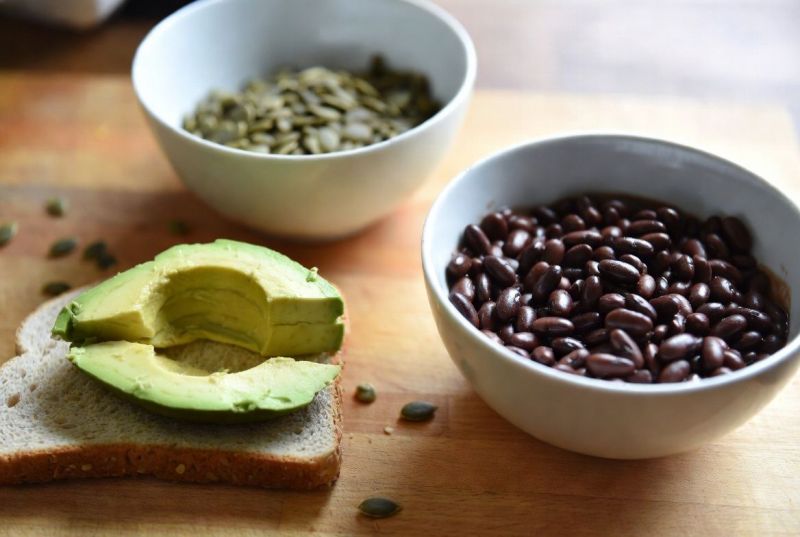
Half a cup of cooked black beans provides around 60 mg of magnesium, along with fiber and plant-based protein. Lentils and chickpeas are excellent alternatives. Make a simple black bean salad with tomatoes, cilantro, and lime, or add beans to soups and grain bowls. Legumes are budget-friendly and keep you full longer.
5. Avocado
One medium avocado offers about 58 mg of magnesium plus potassium and heart-healthy monounsaturated fats. Mash it on whole-grain toast, slice it into salads, or blend it into a creamy smoothie. Its mild flavor makes it easy to enjoy daily.
These five foods stand out because they are nutrient-dense, widely available, and fit easily into familiar meals.
How These Foods Support Daily Comfort
Studies suggest that consistent intake of magnesium from food sources is linked to better muscle relaxation and overall well-being in older adults. The fiber in these foods also supports digestion and steady energy, while the natural potassium helps maintain fluid balance.
But that’s not all. Many of these options contain antioxidants that combat everyday oxidative stress, which tends to increase with age. Combining magnesium-rich foods with good hydration and gentle movement creates a simple foundation for feeling steadier on your feet.
Easy Ways to Add More Magnesium to Your Day
Here’s a sample daily plan:
- Breakfast: Oatmeal topped with a handful of pumpkin seeds, sliced banana, and a sprinkle of almonds.
- Lunch: Spinach salad with black beans, avocado, cherry tomatoes, and olive oil dressing.
- Snack: A small handful of almonds or roasted pumpkin seeds.
- Dinner: Grilled salmon or tofu with sautéed Swiss chard and sweet potato.
Quick Recipe Ideas
- Green Power Smoothie: Blend spinach, half an avocado, banana, Greek yogurt, and a tablespoon of pumpkin seeds.
- Magnesium-Boosting Trail Mix: Mix almonds, pumpkin seeds, and a few dark chocolate pieces (70% cocoa or higher for extra magnesium).
- Simple Bean Bowl: Warm black beans with cumin, garlic, and chopped greens.
Start small. Pick one or two new habits this week and build from there. Many people notice they feel more energetic and sleep better when these foods become regular.
Other Lifestyle Habits That Help
Magnesium works best alongside good habits. Stay hydrated throughout the day — dehydration can worsen muscle tightness. Gentle stretching before bed, comfortable walking, and maintaining steady blood sugar through balanced meals all make a difference.
Common Questions About Magnesium-Rich Foods
How much magnesium do older adults need?
Most women over 50 aim for around 320 mg daily, while men target about 420 mg. Food sources are ideal because the body absorbs them gradually.
Can I get enough from diet alone?
Yes, for many people. Focusing on whole foods like the ones listed above, plus whole grains and occasional dark chocolate, can help meet needs without supplements.
Are there any foods I should limit?
Highly processed foods and excessive alcohol can lower magnesium levels. Balancing your plate with more plants naturally crowds out less supportive choices.
When should I talk to my doctor?
If muscle discomfort persists or you have other health conditions, check with your healthcare provider. They can help tailor advice to your individual needs.
Final Thoughts
Supporting muscle comfort as we age doesn’t require drastic changes. Simple, tasty choices like pumpkin seeds, spinach, almonds, black beans, and avocado can make a meaningful difference over time. Your body appreciates the steady supply of magnesium and companion nutrients these foods provide.
Start by adding just one or two of these foods to your routine this week. Notice how you feel after consistent days. Small, enjoyable habits often lead to the best long-term results.
Disclaimer: This article is for informational purposes only and is not intended as medical advice. Always consult your healthcare provider before making significant changes to your diet, especially if you have existing health conditions or take medications.