Many people worry about how everyday foods might affect long-term health, especially when it comes to supporting overall wellness and reducing potential risks. Research from organizations like the World Health Organization and major cancer institutes has highlighted connections between certain dietary patterns and increased cancer risk over time. The good news is that small, consistent changes in what you eat can make a meaningful difference in how you feel and support your body’s natural defenses.

In this article, we’ll explore five categories of foods that studies suggest are worth limiting. You’ll discover practical swaps, simple habits to build, and actionable tips you can start today. Stick with me until the end—there’s a surprising everyday strategy that ties everything together for better results.
Why Your Diet Matters for Long-Term Health
What you put on your plate day after day influences inflammation, weight management, and cellular health. Excess body weight, for instance, is linked to higher risks for several types of cancer. Foods that contribute to chronic inflammation or provide little nutritional value can play a role in this process. But here’s the empowering part: focusing on whole, nourishing foods can help shift the balance in your favor.
Let’s break down the five areas that deserve attention, based on evidence from large-scale reviews and expert guidelines.
1. Processed Meats: A Top Concern for Many Experts
Processed meats include items like bacon, hot dogs, sausages, deli slices, and cured meats. The International Agency for Research on Cancer classifies them as a Group 1 carcinogen, meaning there’s strong evidence linking regular consumption to increased colorectal cancer risk.
Why they stand out:
- They often contain nitrates and nitrites used in preservation.
- High salt content and cooking methods can form compounds that may affect cells over time.
- Many are high in saturated fats with low fiber.
Studies show that even moderate intake, such as a few servings per week, correlates with higher risk compared to those who eat them rarely.
Better alternatives to try:
- Fresh poultry, fish, eggs, or plant-based proteins like beans, lentils, and tofu.
- When you do choose meat, opt for unprocessed cuts in smaller portions.
2. Red Meat: Moderation Is Key
Red meats such as beef, pork, and lamb are nutritious sources of iron, zinc, and protein. However, research consistently links higher consumption—especially when charred or eaten in large amounts—to elevated risks, particularly for colorectal cancer.
The heme iron in red meat and compounds formed during high-heat cooking (like HCAs and PAHs) are areas of ongoing study. Guidelines often recommend keeping intake below 18 ounces per week.
Practical tips for enjoying meat mindfully:
- Choose lean cuts and pair them with plenty of vegetables.
- Experiment with herbs, spices, and marinades that may help reduce harmful compound formation.
- Rotate in more fish, poultry, or vegetarian meals throughout the week.
3. Sugary Foods and Beverages
Regularly consuming foods and drinks high in added sugars can lead to weight gain, insulin spikes, and inflammation—all factors associated with higher cancer risk.
Think sodas, candies, pastries, sweetened cereals, and even some flavored yogurts or sauces. A 10% increase in ultra-processed, high-sugar items in the diet has been tied to noticeable shifts in health markers in population studies.
Simple swaps that work:
- Replace sugary drinks with water, herbal teas, or infused water with lemon and cucumber.
- Satisfy sweet cravings with whole fruits like berries, apples, or oranges, which come with fiber and nutrients.
4. Ultra-Processed Foods
These are factory-made products with long ingredient lists—think packaged snacks, frozen meals, sugary cereals, chips, and many ready-to-eat items. Multiple studies link higher intake of ultra-processed foods to increased overall cancer risk, including breast and colorectal types.
They tend to be low in fiber, high in refined carbs, unhealthy fats, and additives, while promoting overeating.
How to cut back without feeling deprived:
- Read labels and aim for foods with recognizable ingredients.
- Cook more meals from scratch using whole foods.
- Keep healthy snacks like nuts, yogurt, or veggie sticks handy.
5. Alcohol
Alcohol is classified as a Group 1 carcinogen. Even moderate drinking is associated with higher risks for cancers of the breast, liver, esophagus, and more. There’s no known safe level for cancer risk reduction.
It affects hormone levels, creates harmful metabolites, and can impair nutrient absorption.
Mindful approaches:
- If you drink, stick to very limited amounts or explore non-alcoholic alternatives.
- Many people find sparkling water with fruit or herbal mocktails satisfying.
Quick Comparison of Risk Factors
| Food Category | Main Concerns | Weekly Suggestion | Healthier Swap Ideas |
|---|---|---|---|
| Processed Meats | Nitrates, salt, preservatives | Minimize or avoid | Beans, fish, fresh herbs |
| Red Meat | Heme iron, cooking compounds | Under 18 oz | Poultry, lentils, mushrooms |
| Sugary Items | Insulin spikes, empty calories | Limit added sugars | Whole fruits, dark chocolate (small) |
| Ultra-Processed | Additives, low nutrients | Reduce significantly | Home-cooked meals, whole grains |
| Alcohol | Metabolites, hormones | None or very minimal | Herbal teas, infused water |

Actionable Tips You Can Start This Week
Making changes doesn’t have to be overwhelming. Here are step-by-step ideas:
- Meal Prep Power — Spend one evening planning lunches and dinners around vegetables, whole grains, and lean proteins. Batch-cook beans or roast veggies for quick assembly.
- Smart Shopping — Make a list focused on the perimeter of the store (produce, proteins, dairy). Avoid impulse buys in the middle aisles.
- Flavor Without Compromise — Use garlic, ginger, turmeric, rosemary, and citrus to season foods. These add taste and may offer supportive plant compounds.
- Portion Awareness — Use smaller plates for higher-risk items and fill half your plate with colorful vegetables.
- Hydration Habit — Aim for at least 8 glasses of water daily. Proper hydration supports every system in your body.
But that’s not all—here’s where it gets interesting. Combining these food awareness strategies with regular physical activity and maintaining a healthy weight amplifies the benefits more than diet changes alone.
Building a Supportive Eating Pattern
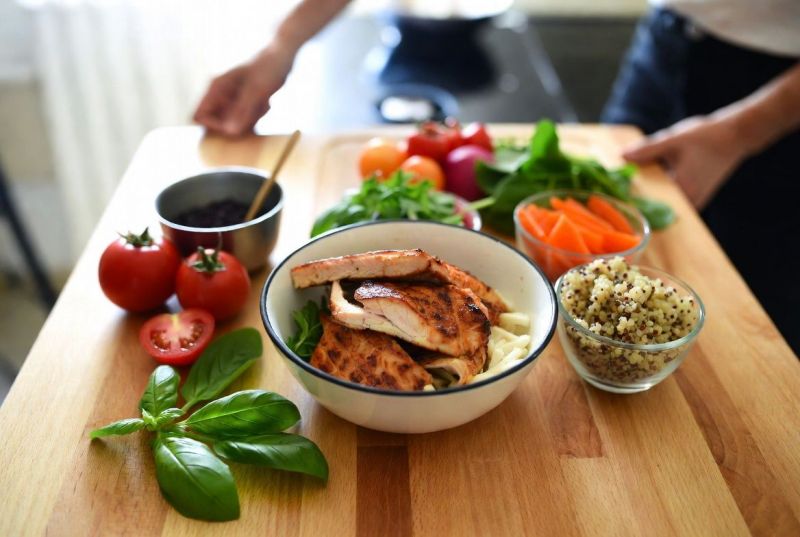
Focus on what to add rather than just what to limit. Fill your plate with:
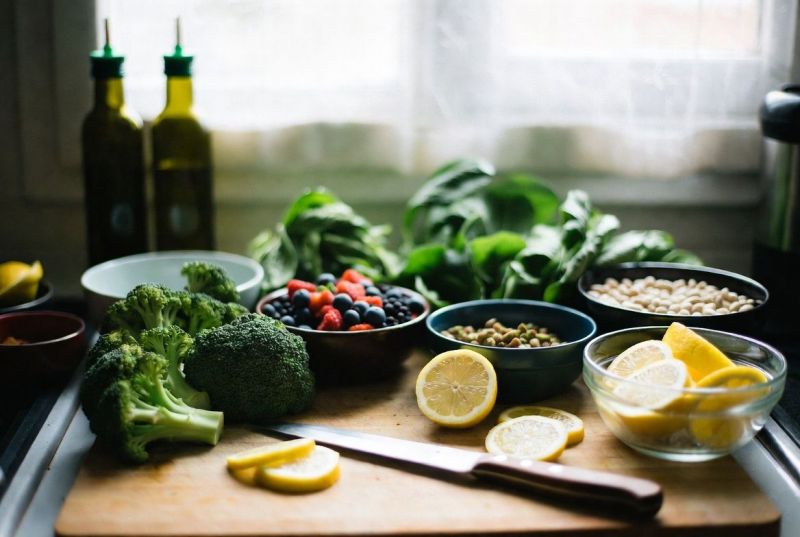
- A variety of colorful fruits and vegetables (aim for at least 5 servings daily).
- Whole grains like oats, brown rice, quinoa, and barley.
- Legumes, nuts, and seeds.
- Healthy fats from avocados, olive oil, and fatty fish.
Research shows that patterns rich in plant foods are consistently associated with better long-term health outcomes.
Bullet List of Everyday Wins:
- Start your day with oatmeal topped with berries instead of sugary cereal.
- Swap one processed snack for a handful of almonds or carrot sticks with hummus.
- Grill or bake instead of frying when possible.
- Include cruciferous veggies like broccoli or cauliflower several times a week.
- Experiment with new recipes to keep things enjoyable.
Common Questions About Diet and Wellness
FAQ 1: Can changing my diet completely eliminate cancer risk?
No single food or diet guarantees protection. A balanced lifestyle that includes healthy eating, movement, not smoking, and regular check-ups offers the best overall support. Always consult healthcare professionals for personalized advice.
FAQ 2: Are there any foods that actively help fight cellular damage?
Many plant-based foods contain antioxidants, fiber, and phytochemicals that support healthy cell function. Cruciferous vegetables, berries, green tea, and nuts are frequently studied for their beneficial properties.
FAQ 3: How quickly might I notice benefits from eating better?
Many people report higher energy and better digestion within days or weeks. Long-term risk reduction builds over months and years of consistent habits.
Wrapping It Up: Small Steps, Big Impact
Paying attention to processed meats, red meat, sugary items, ultra-processed foods, and alcohol gives you powerful tools for supporting your health. By making gradual swaps and focusing on nourishing whole foods, you’re investing in how you feel today and in the years ahead.
The most surprising part? Consistency beats perfection. One positive choice at a time adds up to real change. Start with just one or two tips from this article this week and build from there.
Disclaimer: This article is for informational purposes only and is not intended as medical advice. Please consult with a qualified healthcare provider before making any significant changes to your diet or lifestyle, especially if you have existing health conditions.