Many people notice their hair becoming thinner, drier, or harder to manage over time. Daily styling, environmental factors, and regular washing can leave strands feeling brittle and the scalp uncomfortable. This leaves you searching for gentle, natural options to support healthier-looking hair.
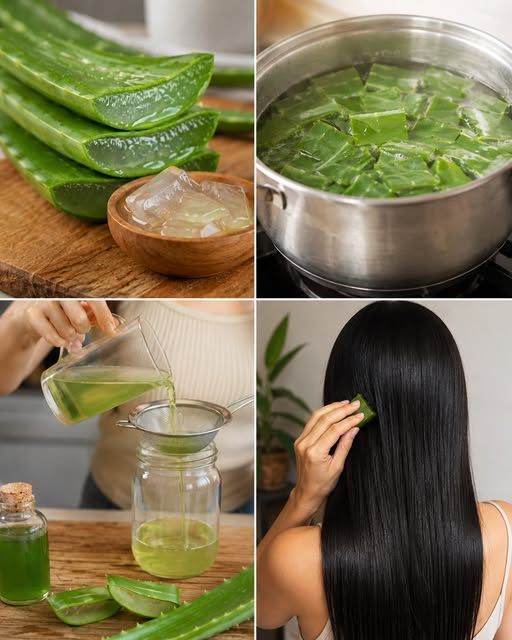
The good news is you can create a simple aloe vera oil infusion right in your kitchen using fresh ingredients. In this guide, you will discover exactly how to prepare it safely and incorporate it into your routine. Keep reading because the full process, including tips for best results, might surprise you with how straightforward it feels.
Why Consider Aloe Vera in Your Hair Routine
Aloe vera has been used for generations in various cultures for personal care. The plant contains a clear gel rich in water, enzymes, vitamins, and minerals that many find soothing. When infused into a carrier oil, it creates a blend that can be applied topically to hair and scalp.
Research and traditional use suggest aloe vera may help support a cleaner scalp environment and contribute to smoother hair texture. Studies have explored its potential to reduce scalp flakiness and support overall hair appearance, though individual results vary.
This DIY aloe vera oil combines the plant’s natural properties with nourishing carrier oils, making it a versatile addition to your hair care collection.
What You Need to Make Aloe Vera Oil
Gathering the right ingredients ensures a quality result. Here is a basic list for a small batch:
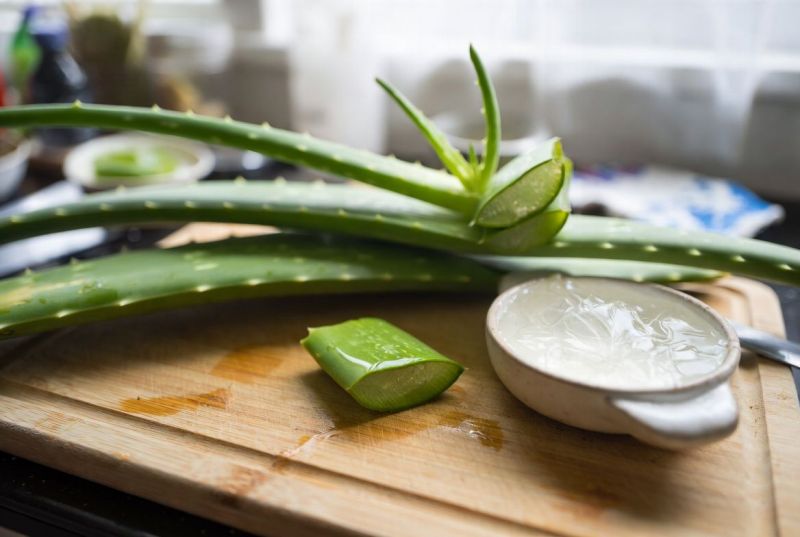
- 1-2 fresh aloe vera leaves (or about 1 cup of gel)
- 1-2 cups of carrier oil (coconut oil, olive oil, or jojoba oil work well)
- Optional: a few drops of vitamin E oil for added shelf life
- Clean glass jar with lid
- Sharp knife, strainer or cheesecloth
- Double boiler or small saucepan
Choose fresh, plump aloe vera leaves from a reliable source. Organic options are preferable when possible.
Two Popular Methods to Prepare Aloe Vera Oil
There are different approaches depending on your time and preference. Both methods aim to transfer beneficial compounds from the aloe into the oil while minimizing moisture that could affect stability.
Method 1: Gentle Heat Infusion (Faster Option)
This method uses low heat to speed up the process while keeping temperatures safe.
- Wash the aloe vera leaves thoroughly and pat them dry.
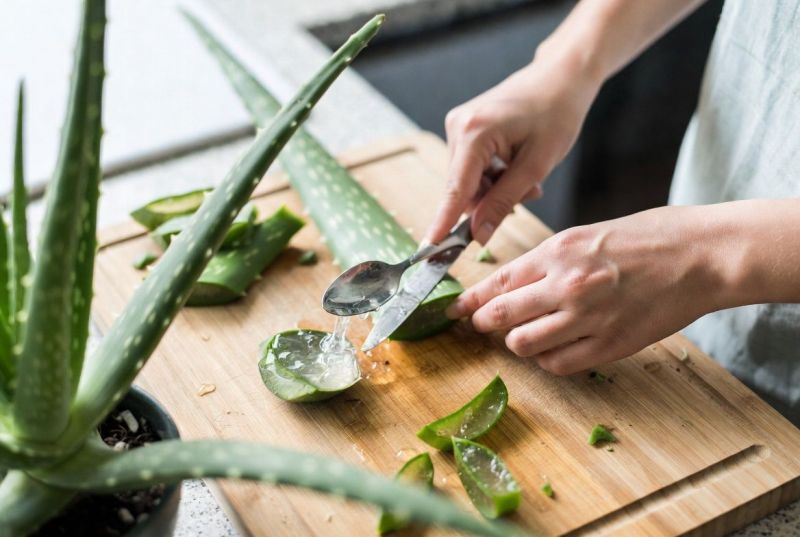
- Trim off the thorny edges and slice the leaf open to scoop out the gel. Chop the gel and inner parts into small pieces.
- Place the chopped aloe in a clean pan with your chosen carrier oil.
- Warm the mixture on very low heat for 20-30 minutes, stirring occasionally. Do not let it boil or smoke.
- Remove from heat and allow it to cool completely.
- Strain through cheesecloth or a fine mesh strainer into a clean glass jar.
- Add a few drops of vitamin E if desired and seal tightly.
Store in a cool, dark place. Use within 1-2 months for best quality.
Method 2: Cold Infusion (Slower, Gentler Option)
This no-heat method preserves more natural properties but takes longer.
- Prepare the aloe vera as above.
- Place chopped aloe pieces in a clean glass jar.
- Cover completely with carrier oil.
- Seal the jar and place it in a sunny windowsill or warm spot for 1-2 weeks, shaking daily.
- Strain the mixture thoroughly.
- Transfer to a fresh jar for storage.
Many prefer this method because it avoids any heat exposure.
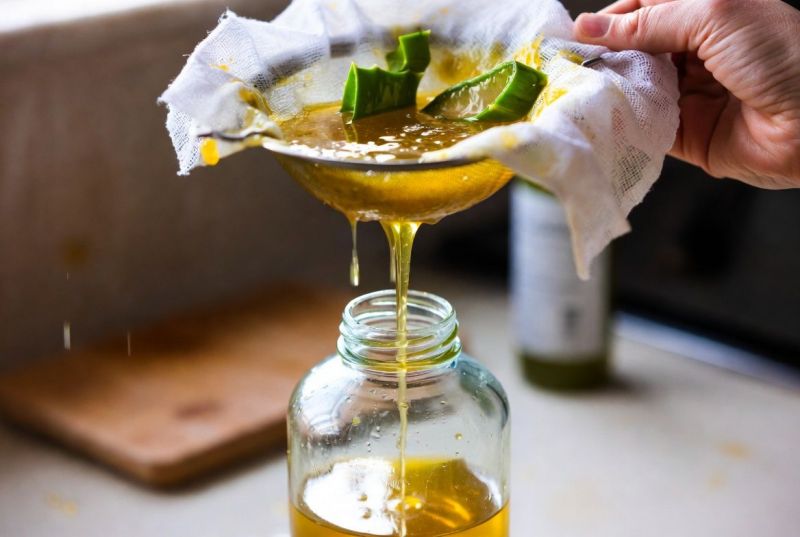
Important Safety Note: Always ensure the aloe is well-strained to remove as much water content as possible. Moisture in oil can lead to spoilage, so refrigeration can help extend freshness.
How to Use Aloe Vera Oil for Hair Care
Applying the oil correctly helps it work effectively in your routine.
- Scalp Massage: Warm a small amount between your palms. Gently massage into the scalp using circular motions for 5-10 minutes. This can feel relaxing and help distribute the oil.
- Hair Lengths: Work the oil through mid-lengths to ends for added smoothness.
- Leave-In Time: Start with 30-60 minutes before washing, or leave it overnight with a shower cap if your hair tolerates it.
- Frequency: Use 1-2 times per week, adjusting based on your hair type.
For deeper conditioning, combine with a mild shampoo and follow with your regular conditioner.
Additional Tips to Support Healthy-Looking Hair
Beyond the oil itself, small habits can make a noticeable difference:
- Maintain a balanced diet rich in proteins, vitamins, and minerals.
- Stay hydrated throughout the day.
- Avoid excessive heat styling when possible.
- Use a wide-tooth comb on wet hair to reduce breakage.
- Protect hair from sun and pollution with hats or scarves.
Bucket Brigade: But that’s not all — here are more practical ways to get the most from your homemade aloe vera oil.
- Mix a few drops of essential oils like rosemary or peppermint (properly diluted) for a pleasant scent, if desired.
- Test a small patch on your skin first to check for any sensitivity.
- Label your jar with the date made for easy tracking.
Common Ingredients and Their Roles
Many people enhance their aloe vera oil with complementary items. Here is a quick comparison:
| Ingredient | Potential Benefit | How to Add |
|---|---|---|
| Coconut Oil | Moisturizing, solid at room temp | Base carrier oil |
| Olive Oil | Rich in antioxidants | Base carrier oil |
| Vitamin E | Helps preserve the blend | A few drops after straining |
| Fresh Aloe Gel | Main active component | Core ingredient |
These combinations allow you to customize based on what your hair responds to best.
What Results Can You Expect
Individual experiences with aloe vera oil vary. Some notice softer hair texture and less dryness after consistent use. Others appreciate a calmer-feeling scalp. Results depend on your hair type, overall routine, and how consistently you apply it.
Think of this oil as one supportive tool in a broader hair care approach rather than a single solution.
Frequently Asked Questions
How long does homemade aloe vera oil last?
When properly strained and stored in a cool place, it typically lasts 1-2 months. Refrigeration can extend this further. Always check for any off smells or changes before use.
Can I use store-bought aloe gel instead of fresh leaves?
Fresh leaves are often preferred for maximum natural content, but pure, high-quality store-bought gel can work in a pinch. Ensure it has minimal additives.
Is this oil suitable for all hair types?
Many people with different hair textures use it successfully. Those with very oily hair may prefer lighter application or lighter carrier oils like jojoba.
Final Thoughts on Your DIY Aloe Vera Oil Journey
Creating your own aloe vera oil is an easy and rewarding project that lets you take a hands-on approach to hair care. With simple ingredients and straightforward steps, you can prepare a gentle blend to incorporate into your weekly routine.
Give the process a try and observe how your hair feels over the coming weeks. Small, consistent habits often lead to the best improvements in appearance and manageability.
Disclaimer: This article is for informational purposes only and is not intended as medical advice. Consult with a healthcare professional or dermatologist before trying new hair care products, especially if you have sensitive skin or existing conditions. Individual results may vary.
(Word count: approximately 1320)