Many people struggle with occasional discomfort from common seasonal challenges or everyday wellness concerns related to bacteria in their environment. That lingering feeling of being run down can make simple daily tasks feel harder, especially when your immune system faces constant exposure to microbes through food, air, and contact. The good news is that one humble kitchen staple has drawn attention from researchers for its potential to help maintain balance in the body. In this article, we explore how garlic may play a supportive role in everyday wellness — and share practical ways to incorporate it safely.

The Science Behind Garlic’s Unique Compounds
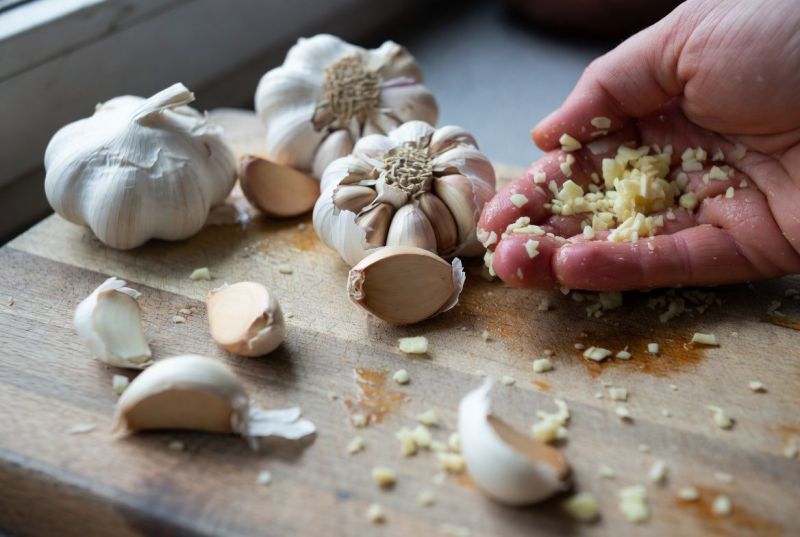
Garlic (Allium sativum) has been used across cultures for centuries as part of traditional wellness practices. What makes it stand out is a compound called allicin, formed when fresh garlic cloves are crushed or chopped. This sulfur-containing molecule is responsible for much of garlic’s characteristic aroma and has been the focus of numerous laboratory studies exploring its interaction with bacteria.
Research published in scientific journals shows that garlic extracts can exhibit activity against a range of bacteria in controlled lab settings. Studies have examined effects on both Gram-positive and Gram-negative strains, including common ones like Staphylococcus and Escherichia coli. While these are in-vitro findings (meaning outside the human body), they help explain why garlic continues to interest health researchers.
Why Fresh Garlic Matters Most
The key to maximizing potential benefits lies in how you prepare garlic. When you damage the clove by crushing, chopping, or chewing it, an enzyme called alliinase converts alliin into allicin. This process peaks within about 10-15 minutes.
But that’s not all. Other organosulfur compounds like ajoene and diallyl polysulfides also contribute to garlic’s profile. These compounds have been studied for their ability to interact with bacterial cell structures in laboratory tests.
Potential Benefits Backed by Research
Here are some areas where studies have looked at garlic’s supportive role:
- Supporting microbial balance: Lab research suggests garlic compounds may help inhibit certain bacterial growth.
- Everyday immune support: Some studies indicate it may help the body respond to common challenges.
- Antioxidant properties: Garlic is rich in compounds that help combat oxidative stress, which is linked to overall wellness.
One review highlighted garlic’s broad spectrum of activity in test-tube environments, including against biofilms — the protective layers some bacteria form.
How to Incorporate Garlic Into Your Daily Routine
Ready to try adding more garlic? Here are simple, actionable tips:
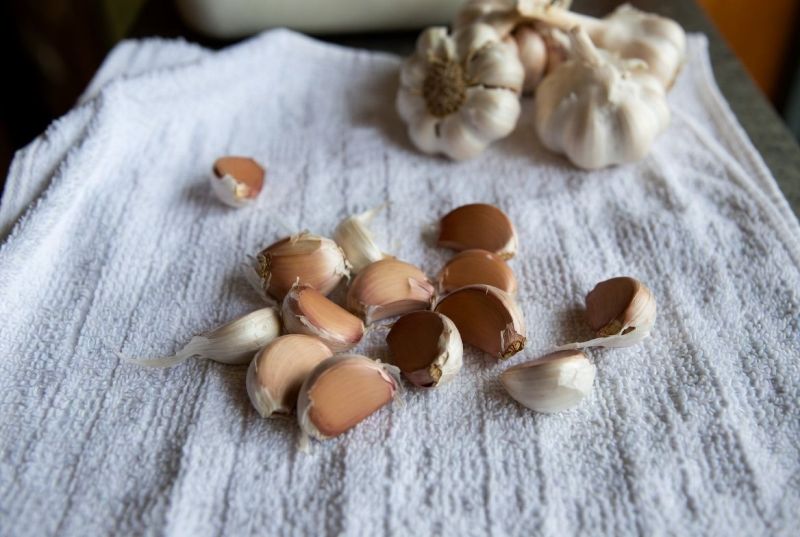
- Start with fresh cloves: Choose firm, plump bulbs from your local market.
- Crush and wait: Mince or crush garlic and let it sit for 10-15 minutes before using to allow allicin formation.
- Raw options: Add to salads, dressings, or hummus for maximum compound retention.
- Gentle cooking: Add near the end of cooking to preserve more benefits.
- Daily amount: Many sources suggest 1-2 cloves per day as a reasonable starting point for most adults.
Easy Garlic Recipes for Everyday Wellness
- Morning boost: Mix crushed garlic with a teaspoon of honey and warm water.
- Garlic-infused oil: Steep chopped garlic in olive oil (refrigerate and use within a few days).
- Simple salad dressing: Combine minced garlic, lemon juice, olive oil, and herbs.
- Roasted garlic spread: Roast whole bulbs for a milder flavor perfect on toast.
Comparing Fresh vs. Other Forms
| Form | Allicin Potential | Convenience | Best For |
|---|---|---|---|
| Fresh cloves | Highest | Medium | Maximum benefits |
| Garlic powder | Lower | High | Quick seasoning |
| Aged extracts | Stable | High | Consistent daily use |
| Supplements | Varies | High | Those who dislike taste |
Common Questions About Garlic and Wellness
How much garlic is too much?
Most people tolerate 1-2 cloves daily well. Start small if you have a sensitive stomach and increase gradually.
Can I take garlic if I’m on medication?
Garlic may interact with blood thinners or certain medications. Always consult your healthcare provider before making significant dietary changes.
Does cooking destroy all the benefits?
Cooking reduces some allicin but other beneficial compounds remain. A mix of raw and cooked use works well for many people.
More Than Just Flavor
Beyond its potential supportive effects, garlic adds incredible depth to meals. Its versatility makes it easy to enjoy consistently without feeling like a chore.
Putting It All Together
Garlic represents one of nature’s most studied kitchen ingredients when it comes to supporting wellness through diet. While more human clinical research is always welcome, the existing body of laboratory and traditional evidence makes it worth considering as part of a balanced approach to health.
Disclaimer: This article is for informational purposes only and is not intended as medical advice. Garlic is generally recognized as safe as a food ingredient, but individual responses vary. Consult with a qualified healthcare professional before using garlic therapeutically or if you have any health conditions or take medications.
(Word count: approximately 1,280)