Many people struggle with dull or fading hair color and search for gentler alternatives to harsh chemical dyes. The constant worry about damage, dryness, and unnatural results can make even simple hair care feel stressful. What if a common kitchen staple could help you achieve a beautiful deep burgundy or dark red shade naturally? In this guide, we explore a simple approach using hibiscus that has gained attention for its staining properties and potential benefits for hair appearance.
This method offers an accessible way to experiment with richer tones at home. Keep reading to discover the full recipe, step-by-step instructions, and practical tips that might surprise you with their effectiveness.
Why People Are Turning to Natural Ingredients for Hair Color
Hair coloring is a popular way to refresh your look, but many worry about the long-term effects of synthetic products. Commercial dyes often contain ammonia and other harsh chemicals that can leave hair brittle and prone to breakage. Over time, this can lead to dryness, split ends, and a dull appearance that requires even more maintenance.
Natural options have become increasingly popular as people seek gentler routines. Ingredients found right in your kitchen offer a different experience—one that feels less intimidating and more aligned with everyday wellness habits. Hibiscus, in particular, stands out because of its deep red pigments and traditional use in various cultures for enhancing hair appearance.
Research suggests that plant-based compounds may support hair shine and scalp comfort when used properly. While results vary from person to person, many appreciate the subtle conditioning feel these ingredients can provide compared to conventional treatments.
Understanding Hibiscus and Its Potential for Hair
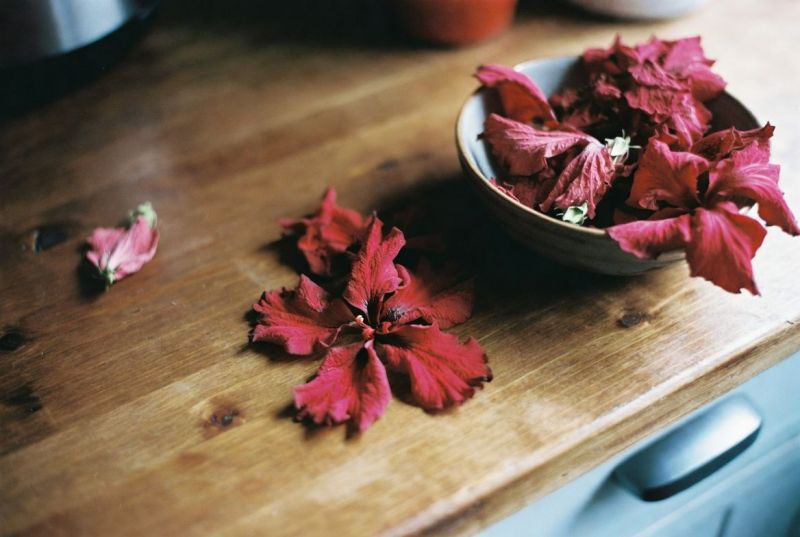
Hibiscus, often enjoyed as a tart herbal tea, comes from the flowers of the Hibiscus sabdariffa plant. The dried petals contain natural anthocyanins—the compounds responsible for that signature deep red color. These pigments can temporarily bind to hair strands, creating a noticeable tint.
Beyond color, hibiscus is rich in antioxidants and vitamins that some studies link to healthier-looking hair. The natural acids in the plant may help smooth the hair cuticle, giving strands a shinier appearance. This makes it an intriguing option for those wanting to add depth without committing to permanent color.
Here’s why hibiscus stands out among kitchen ingredients:
- Deep, natural burgundy-red tones that can appear almost mehndi-like in intensity
- Easy to source—available as dried flowers or tea bags in most grocery stores
- Mild scent that many find pleasant compared to chemical solutions
- Versatile enough for hair, nails, or even temporary skin designs
The Science Behind Plant-Based Hair Tints
While not a replacement for professional hair color, plant pigments like those in hibiscus have been studied for their dyeing properties. Anthocyanins can adhere to the hair’s protein structure, especially on lighter or porous strands. This creates a semi-permanent effect that gradually fades with washing.
Some small-scale studies on herbal extracts indicate potential benefits for scalp health and hair manageability. Of course, individual results depend on hair type, porosity, and how the mixture is prepared. The key is consistency and proper application rather than expecting dramatic overnight changes.
This approach appeals to those who prefer incremental, low-commitment enhancements to their hair routine.
Full Recipe: How to Make the Dark Hibiscus Hair Tint at Home
Creating this natural tint is straightforward and uses ingredients you likely already have or can easily find.
Ingredients You’ll Need
- 1/2 cup dried hibiscus flowers (or 4–6 hibiscus tea bags)
- 2 cups water
- 1 tablespoon of a carrier like aloe vera gel or coconut oil (optional, for added moisture)
- Optional: a pinch of iron-rich spice like cloves or black tea for deeper tones
Step-by-Step Preparation
- Bring the water to a boil in a small pot.
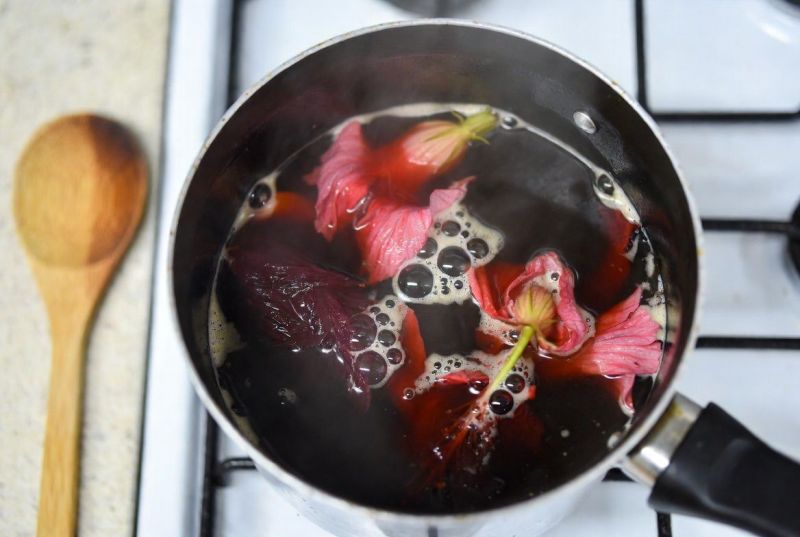
- Add the dried hibiscus flowers and reduce heat to simmer for 15–20 minutes. The liquid should reduce and turn a deep, dark red.
- Remove from heat and let it steep for another 30 minutes as it cools.
- Strain the mixture thoroughly to remove all plant particles.
- If desired, stir in a small amount of aloe vera or oil for a smoother consistency.
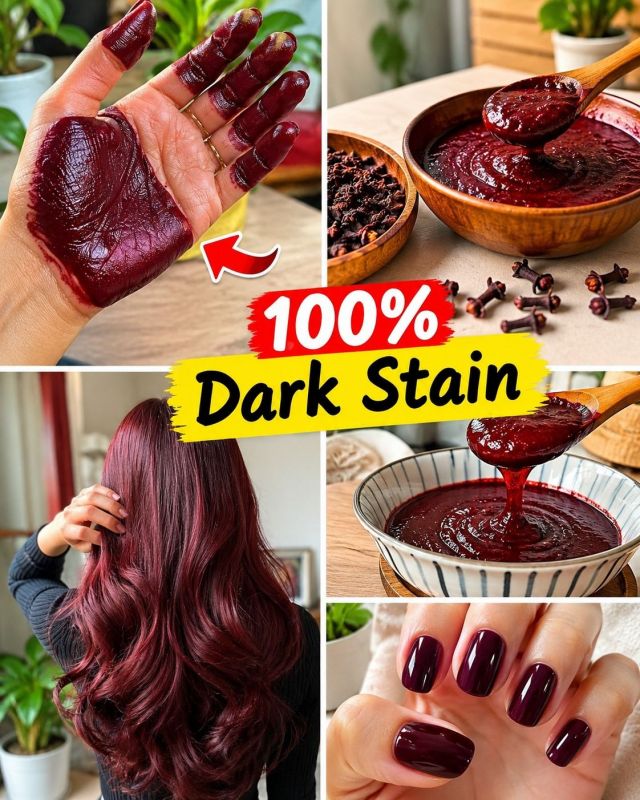
The result is a thick, dark liquid with strong staining power—exactly what gives that rich, mehndi-inspired look in the images you may have seen.
Pro Tip: Prepare a larger batch and store the concentrate in the refrigerator for up to one week.
How to Apply the Hibiscus Tint for Best Results
Application is simple and can be done as part of your regular hair care day.
- Start with clean, towel-dried hair.
- Section your hair for even coverage.
- Using a brush or gloved hands, apply the cooled mixture from roots to ends.
- Cover with a shower cap and leave on for 1–3 hours (longer for deeper color).
- Rinse thoroughly with cool water. Avoid shampoo for the first 24–48 hours to help the color set.
Many people notice a beautiful dark red or burgundy shift, especially on brown or lighter bases. The stain can appear quite intense at first, similar to traditional mehndi designs.
Tips for Longer-Lasting Color and Healthier Hair
To maximize your results, consider these practical suggestions:
- Apply weekly or bi-weekly for cumulative depth.
- Use cool water when rinsing and washing to preserve the color longer.
- Combine with natural conditioners like yogurt or banana for extra softness.
- Protect hair from sun exposure, which can fade plant-based tints faster.
Additional ways to enhance the experience:
- Mix with henna for a more permanent option (test sensitivity first)
- Use the same concentrate as a natural nail tint for matching dark red tones
- Create a scalp rinse by diluting the mixture for gentle cleansing
Common Questions About Natural Hair Tints
How long does the color last?
The tint typically fades over 4–8 washes, depending on your hair type and washing frequency. It’s a low-commitment way to experiment.
Is this safe for all hair types?
Most people tolerate hibiscus well, but it’s always wise to do a small patch test on skin and a strand test on hair first. Those with very light or bleached hair may see more dramatic results.
Can I use this on my nails or skin too?
Yes! The same dark concentrate works beautifully as a temporary nail stain or body art, giving that rich, natural look without harsh chemicals.
Final Thoughts on Embracing Natural Hair Rituals
Exploring kitchen ingredients like hibiscus can make hair care feel more creative and personal. While it won’t replace salon color for everyone, it offers a gentle, enjoyable alternative worth trying. Many who incorporate this into their routine appreciate the ritual and the subtle enhancements they notice over time.
Experiment with small batches, listen to your hair, and enjoy the process. Natural approaches often reward patience and consistency.
Disclaimer: This article is for informational purposes only and is not intended as medical or professional advice. Results vary. Consult a healthcare provider or dermatologist before trying new ingredients, especially if you have sensitive skin or specific hair concerns.