Many people reach for ginger daily—whether in teas, smoothies, or meals—because of its warm, spicy flavor and reputation for supporting digestion and overall wellness. But like many natural ingredients, ginger affects the body in specific ways that can create challenges for certain individuals. If you’ve ever felt unexpected discomfort after adding more ginger to your routine, you’re not alone. Understanding when moderation or avoidance makes sense can help you enjoy its benefits safely without unnecessary risks.

In this article, we’ll explore five common health situations where experts often recommend caution with ginger consumption. You’ll learn practical ways to recognize potential concerns and simple adjustments you can make right away. Keep reading to discover how small changes in your habits might make a big difference in how you feel.
What Makes Ginger So Popular—And Why Caution Matters
Ginger (Zingiber officinale) has been used for centuries in traditional practices around the world. Many people appreciate it for its potential to ease occasional digestive upset or add flavor to recipes. Research suggests it contains compounds like gingerols that interact with various body systems.
However, these same compounds can influence blood clotting, bile production, blood sugar, and blood pressure. For most people consuming normal culinary amounts, ginger is generally well-tolerated. The considerations below typically apply to higher supplemental doses or concentrated forms. Always check with your healthcare provider before making changes, especially if you have ongoing health concerns.
1. Bleeding Disorders or Blood-Thinning Medications
One of the most discussed considerations involves ginger’s natural effect on blood platelets. It may slow clotting in some cases, which could increase bleeding risk for certain individuals.
Who should be particularly mindful?
- People with known bleeding disorders
- Those taking anticoagulant or antiplatelet medications (such as warfarin, aspirin in higher doses, or similar prescriptions)
- Individuals preparing for surgery
Studies note that ginger might enhance the effects of blood-thinning medications, potentially leading to easier bruising or prolonged bleeding.
Practical tip: If you fall into this category, talk with your doctor about safe ginger intake. Many experts suggest stopping concentrated ginger at least two weeks before scheduled surgery to reduce any potential bleeding concerns during procedures.
2. Gallbladder Issues or Gallstones
Ginger can stimulate bile production, which supports digestion for many people but may create discomfort for those with gallbladder conditions.
This increased bile flow might aggravate existing gallstones or inflammation in the gallbladder or bile ducts. Individuals with a history of cholecystitis or similar issues often receive guidance to limit ginger, especially in larger amounts.
Everyday advice: Stick to small culinary amounts in cooking if approved by your provider. Pay attention to how your body responds after meals containing ginger. If you notice increased abdominal discomfort, it’s worth discussing with a healthcare professional.
3. Heart Conditions or Blood Pressure Concerns
High doses of ginger may influence heart rate and blood pressure in some individuals. While this effect can be neutral or even beneficial for others, it requires attention for people managing specific cardiovascular situations.
Those with certain heart conditions or who take medications for blood pressure may experience interactions. Ginger’s potential to lower blood pressure could amplify medication effects, leading to readings that drop too low in sensitive individuals.
What to watch for: Monitor how you feel after consuming ginger tea or supplements. Simple awareness helps you notice patterns. Your doctor can help determine a comfortable amount based on your specific health profile.
4. Diabetes and Blood Sugar Management
Ginger may affect blood glucose levels and insulin sensitivity. For people with diabetes or those taking medications that lower blood sugar, this interaction deserves careful attention.
Some research indicates ginger can influence insulin and glucose metabolism. When combined with diabetes treatments, it might cause blood sugar to drop more than expected in certain cases.
Actionable steps you can take:
- Track your blood sugar more closely when trying new amounts of ginger
- Choose consistent, moderate portions rather than large variations
- Discuss any planned increases with your healthcare team so they can adjust monitoring or medications if needed
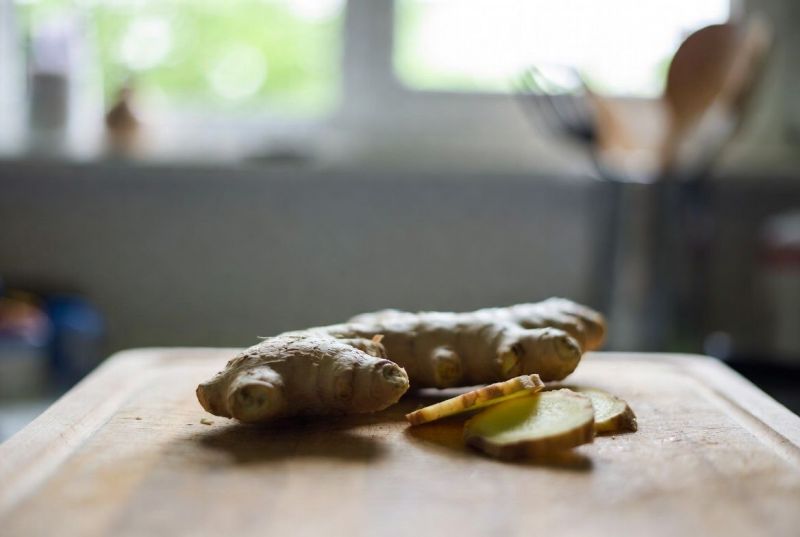
5. Pregnancy (Especially Higher Doses in Later Stages)
Many pregnant individuals use small amounts of ginger to help with occasional nausea, and research supports its use in moderation during early pregnancy for this purpose. However, higher doses warrant extra caution, particularly closer to delivery.
Concerns center around potential effects on bleeding risk and overall safety in larger quantities. Healthcare providers often recommend discussing ginger supplementation with your obstetrician to ensure it fits your individual pregnancy journey.
Gentle reminder: Culinary amounts in food are typically considered differently than concentrated supplements. Your prenatal care team is the best resource for personalized guidance.
How to Enjoy Ginger Safely: Practical Guidelines
Here’s a quick reference list to help you navigate ginger use:
- Start small: Begin with 1 gram or less daily from food sources if exploring its effects
- Choose forms wisely: Fresh or dried ginger in cooking is often gentler than high-potency supplements
- Timing matters: Space ginger away from medications when possible, or as advised by your provider
- Listen to your body: Note any new digestive changes, dizziness, or unusual symptoms
- Quality counts: Select fresh, high-quality ginger and store it properly to maintain its properties
But that’s not all. Many people successfully incorporate ginger by combining it with other ingredients that may balance its effects, such as pairing it with meals containing healthy fats or proteins.
Comparing Ginger Consumption Approaches
| Situation | Typical Culinary Use | Higher Supplemental Doses | Suggested Approach |
|---|---|---|---|
| General wellness | Usually fine | Monitor closely | Start low, observe response |
| Bleeding concerns | Often limited | Generally avoid | Consult doctor before any increase |
| Gallbladder issues | Small amounts | Often restricted | Focus on food amounts if approved |
| Blood sugar management | Moderate | Requires monitoring | Track levels consistently |
| Pregnancy | Food amounts often OK | Caution advised | Discuss with prenatal provider |
This table offers a general overview—individual responses vary, so professional advice remains essential.
Simple Daily Habits to Support Your Wellness Journey
- Incorporate mindfully: Add thin slices of fresh ginger to warm water with lemon for a gentle morning ritual, starting with just a small piece.
- Balance your plate: Combine ginger with other digestive-friendly foods like bananas, rice, or yogurt to create more harmonious meals.
- Stay hydrated: Drink plenty of water throughout the day, especially when trying new amounts of any spice.
- Keep a simple journal: Note your ginger intake and how you feel for a week or two. Patterns often become clear quickly.
- Explore alternatives: If ginger doesn’t feel right, consider other warming spices like turmeric (in moderation) or fennel, always checking with your provider first.
Conclusion: Making Informed Choices About Ginger
Ginger remains a beloved ingredient for many, offering flavor and potential wellness support when used thoughtfully. By understanding these five situations where extra caution helps, you can make choices that align with your unique health needs. The key is awareness, moderation, and open conversations with your healthcare team.
Small adjustments—like adjusting portion sizes or timing—often make it possible to continue enjoying ginger safely. Your body’s signals provide valuable feedback, so trust that inner wisdom while seeking professional guidance when needed.
FAQ
Q1: Can I still drink ginger tea if I have one of these conditions?
Many people enjoy occasional ginger tea in moderate strength. However, if you have any of the health situations mentioned, it’s best to check with your doctor first to determine a safe amount for your specific circumstances.
Q2: How much ginger is considered a high dose?
Culinary use in cooking usually stays well below 1-2 grams daily. Supplements or concentrated teas can reach 3-6 grams or more, which is where most considerations arise. Always read labels and consult a professional.
Q3: Are there any signs I should stop using ginger?
Watch for increased heartburn, unusual bleeding or bruising, dizziness, or changes in blood sugar or blood pressure readings. These can be signals to reduce intake and speak with your healthcare provider.
Disclaimer: This article is for informational purposes only and does not replace professional medical advice. Individual responses to ginger vary. Always consult your healthcare provider before making changes to your diet or supplement routine, especially if you have existing health conditions or take medications.