Living with diabetes often means constantly watching what you eat, especially when it comes to sweet foods that could affect your blood sugar levels. Many people feel frustrated and restricted, missing out on the simple joy of enjoying fresh, naturally sweet treats. The good news is that not all fruits need to be off-limits. Certain sweet options can fit comfortably into a balanced approach to managing blood sugar when chosen thoughtfully and enjoyed in moderation.

In this guide, you’ll discover five delicious, sweet fruits that many people find supportive for their daily routine. We’ll explore why they work well, practical ways to enjoy them, and tips to make them part of your lifestyle without worry.
Why Some Sweet Fruits Can Fit Into a Diabetes-Friendly Plan
Fruits contain natural sugars, but many also offer fiber, vitamins, antioxidants, and water content that help slow sugar absorption. Research suggests that choosing fruits with a lower glycemic impact and pairing them properly can minimize sharp rises in blood sugar.
The key lies in portion control, ripeness, and how you combine them with other foods. This isn’t about restriction—it’s about smarter choices that let you savor sweetness while supporting stable energy.
But that’s not all. Let’s dive into the top five sweet fruits that stand out for their appealing taste and thoughtful profile.
1. Berries: Nature’s Sweet Antioxidant Powerhouses
Berries like strawberries, blueberries, raspberries, and blackberries top the list for many reasons. They deliver bright sweetness with relatively low impact on blood sugar thanks to high fiber and low glycemic index values.
Studies highlight that berries are rich in compounds like anthocyanins, which research links to supportive effects on metabolic health. A handful provides vitamin C, manganese, and other nutrients while keeping portions satisfying yet light.
How to enjoy berries daily:
- Add a cup of mixed berries to plain Greek yogurt or cottage cheese.
- Blend into a smoothie with spinach, protein powder, and a sprinkle of chia seeds.
- Freeze them for a cool, sorbet-like treat on warm days.
Their natural tart-sweet balance makes them incredibly versatile without needing added sweeteners.
2. Apples: Crisp, Satisfying, and Fiber-Rich
Apples offer a satisfying crunch and subtle sweetness that many people love. With a moderate glycemic index and impressive soluble fiber (pectin), they help promote a gradual release of sugars.
The skin provides extra fiber and polyphenols, so eating the whole fruit (well-washed) maximizes benefits. Research notes apples as a frequent recommendation in balanced eating patterns.
Practical apple tips:
- Slice one medium apple and pair with a tablespoon of almond butter or a handful of nuts.
- Bake apple slices with cinnamon for a warm, comforting dessert.
- Grate into overnight oats for natural sweetness and texture.
Choose varieties like Granny Smith or Fuji for balanced flavor, and always aim for whole over juice.
3. Pears: Juicy, Gentle on Blood Sugar
Pears bring a soft, juicy sweetness with one of the lower glycemic profiles among popular fruits. Their high fiber content, particularly in the skin, supports steady digestion and satiety.
Pears are also a good source of potassium and vitamin C, making them a hydrating choice that fits nicely into meals or snacks.
Easy ways to include pears:
- Enjoy one fresh as an afternoon snack with cheese or seeds.
- Poach in water with spices like cinnamon and cloves for a refined dessert.
- Dice into salads with leafy greens, walnuts, and a light vinaigrette.
Their mild sweetness pairs beautifully with savory elements, adding variety to your plate.
4. Cherries: Bold Flavor With Natural Compounds
Tart or sweet cherries offer vibrant taste and a low glycemic index. They contain antioxidants and compounds that some studies associate with metabolic support.
A serving of fresh or frozen cherries can brighten breakfasts, snacks, or even savory dishes while delivering potassium and vitamin C.
Cherry-inspired ideas:
- Top oatmeal or chia pudding with a handful of pitted cherries.
- Blend into a simple sauce for grilled chicken or pork (sugar-free version).
- Freeze for a refreshing, bite-sized frozen snack.
Opt for fresh or unsweetened frozen varieties to keep things straightforward.
5. Jabuticaba (or Similar Dark Purple Berries like Jamun): Unique and Promising
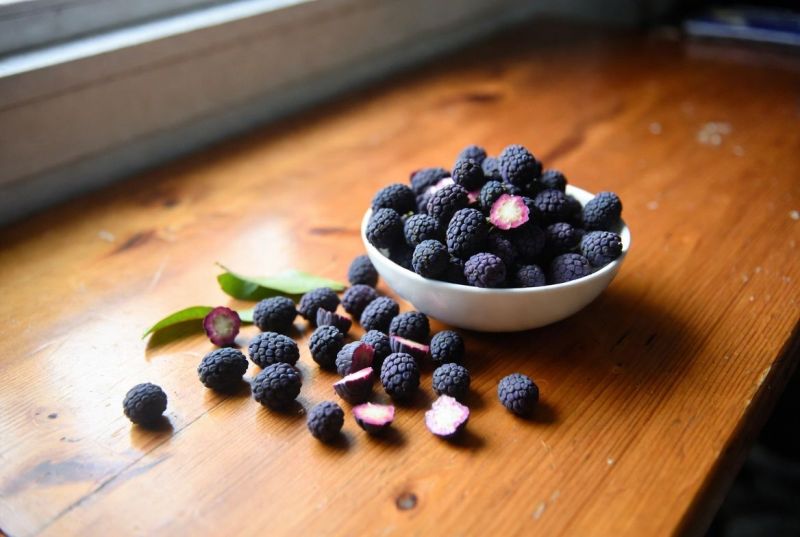
These dark, grape-like berries (often called Brazilian grapes) feature a sweet-tart pulp with an intriguing profile. Emerging research on jabuticaba and related fruits like jamun suggests potential benefits related to blood sugar management due to their skin and pulp compounds.
Their unique texture—sweet juicy interior with edible skin—makes them a fun discovery. While not as common everywhere, when available fresh or as pure forms, they add excitement to a fruit rotation.
Creative ways to try them:
- Eat fresh straight from the bowl, as shown in many everyday photos.
- Blend the pulp into smoothies or infuse water for flavored hydration.
- Explore dried or powder forms (unsweetened) in small amounts for versatility.
Always source quality produce and start with small portions to see how your body responds.
Quick Comparison Table: Why These Fruits Stand Out
| Fruit | Key Benefit | Suggested Portion | Pairing Idea |
|---|---|---|---|
| Berries | High fiber, antioxidants | 1 cup | Yogurt or smoothie |
| Apples | Soluble fiber (pectin) | 1 medium | With nut butter |
| Pears | Gentle GI, potassium | 1 medium | Cheese or salad |
| Cherries | Low GI, vibrant flavor | 1 cup | Oatmeal topping |
| Jabuticaba/Jamun | Unique compounds, fun texture | 10-15 fruits | Fresh or blended |
This table highlights how easy it is to mix and match based on availability and preference.
Actionable Tips for Enjoying Sweet Fruits Confidently
Here are simple steps you can start today:
- Portion smartly — Stick to one serving (about a fist-sized amount) per sitting.
- Pair wisely — Combine fruit with protein or healthy fat to further support stable blood sugar.
- Time it right — Enjoy after meals or with balanced plates rather than on an empty stomach.
- Choose whole — Prioritize fresh or frozen over juices and dried forms (which concentrate sugars).
- Monitor and adjust — Track how different fruits affect your personal levels to build confidence.
Small habits like these help turn knowledge into sustainable enjoyment.
Additional Strategies to Maximize Benefits
Beyond the fruits themselves, consider ripeness—slightly less ripe options often have lower sugar impact. Variety keeps things interesting, and freezing or preparing in advance removes daily barriers.
Many people report feeling more in control and less deprived when they focus on these positive additions rather than only restrictions. Consistency with overall balanced meals amplifies the positives.
Conclusion: Sweetness Without the Stress
Incorporating these five sweet fruits—berries, apples, pears, cherries, and unique options like jabuticaba—can bring more pleasure and variety to your table. With mindful portions and smart pairings, you can enjoy natural sweetness while supporting your goals.
The journey to feeling good about food doesn’t have to mean giving up flavor. Start with one or two favorites this week and notice how they fit into your routine.
FAQ
1. Can I eat these fruits every day if I have diabetes?
Yes, in appropriate portions as part of a balanced plate. Individual responses vary, so monitoring your levels helps personalize.
2. Is fruit juice as good as whole fruit?
Whole fruits are generally preferred because they retain fiber that slows sugar absorption. Juices can cause quicker rises.
3. What if a fruit spikes my blood sugar more than expected?
Everyone’s body is different. Adjust portions, pairings, or timing, and consult your healthcare team for personalized guidance.
Disclaimer: This article is for informational purposes only and is not a substitute for professional medical advice. Always consult your doctor or registered dietitian before making significant changes to your diet, especially if you have diabetes or other health conditions. Individual results may vary based on overall lifestyle, medications, and health status.