Living with kidney concerns often means paying close attention to what you eat, especially protein. Many people feel overwhelmed trying to balance nutrition while protecting their kidneys, leading to confusion at mealtime and worry about making the wrong choices. The good news is that focusing on thoughtful protein options can make a real difference in how you feel day to day. In this guide, we’ll explore practical ways to choose proteins that fit a kidney-conscious lifestyle, including one humble favorite that deserves more attention on your plate. Keep reading to uncover simple swaps and ideas you can start using right away.

Why Protein Choices Matter for Kidney Health
Your kidneys play a vital role in filtering waste from the foods you eat, including byproducts from protein digestion. When kidney function is reduced, managing protein intake helps reduce the workload on these organs. Research from organizations like the National Kidney Foundation suggests that the type and amount of protein can influence how the body handles waste products. Plant-based options often produce fewer acidic byproducts compared to some animal sources, which may support overall comfort.
That said, protein remains essential for maintaining muscle, supporting energy levels, and keeping your body strong. The key is quality and moderation. Consulting with a registered dietitian is always recommended to tailor amounts to your specific stage and needs.
4 Protein Sources Worth Including More Often
Incorporating a mix of high-quality proteins can help you meet nutritional needs without unnecessary strain. Here are four approachable options many find helpful.
1. Chickpeas (Garbanzo Beans)
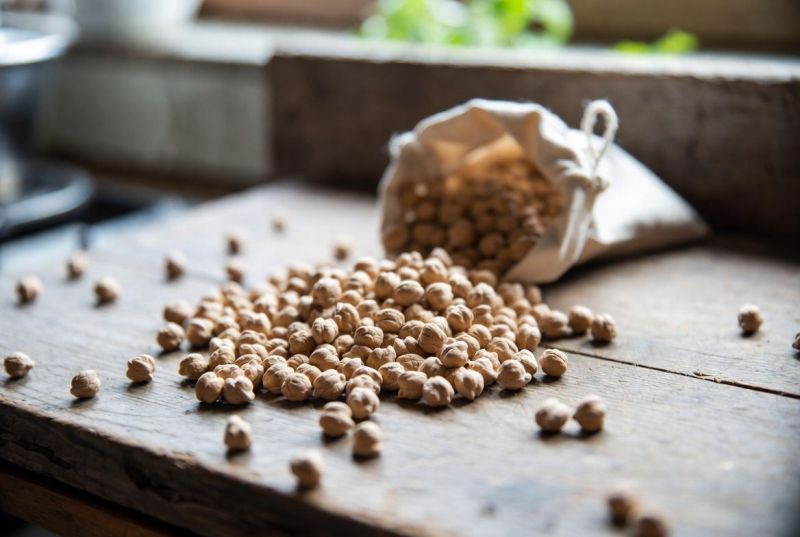
Chickpeas stand out as a versatile, plant-based choice. A serving provides a good amount of protein along with fiber that supports digestion. Studies indicate that the phosphorus in legumes like chickpeas is less readily absorbed by the body than from animal sources, making them a practical addition when prepared properly.
Try rinsing canned chickpeas well or soaking and cooking dried ones to help manage mineral content. Add them to salads, soups, or make a simple homemade hummus for an easy snack.
2. Egg Whites
Egg whites offer high-quality protein with minimal phosphorus. They’re easy to digest and versatile for everyday meals. Many kidney-friendly plans highlight them as a reliable option for boosting protein without adding excess minerals from yolks.
Scramble them with low-potassium vegetables or fold into omelets for a quick breakfast.
3. Skinless Chicken or Turkey Breast
Lean poultry in moderate portions provides complete protein. Fresh, unprocessed cuts are preferable to avoid added sodium or phosphorus from processing. A small 2-3 ounce serving can fit well into many plans.
Grill or bake simply with herbs for flavor without extra salt.
4. Fish Such as Salmon or White Fish
Certain fish deliver protein plus beneficial omega-3s that support heart health—a common companion concern. Fresh or frozen options without heavy sauces work best. Limit to recommended portions based on your needs.
Quick Tips for Adding These Proteins
- Aim for variety throughout the week to keep meals interesting.
- Pair with low-potassium vegetables and controlled portions of grains.
- Track how you feel after meals to notice what suits you best.

6 Proteins to Approach Mindfully
While no food needs to be completely off-limits for everyone, some choices may require extra caution depending on your lab results and stage.
- Red Meats (like beef or pork): Higher in certain minerals and can produce more waste products when metabolized in larger amounts.
- Processed Meats (bacon, sausages, deli slices): Often loaded with sodium and phosphorus additives that kidneys may struggle to handle.
- Full-Fat Dairy Products: Cheese, whole milk, and yogurt can be higher in phosphorus and potassium; opt for lower-fat or limited portions if included.
- Organ Meats: Naturally high in minerals that may accumulate more easily.
- Certain Nuts and Seeds in Large Quantities: While nutritious, portion control is important due to potassium and phosphorus.
- High-Protein Supplements or Powders: Many contain additives; whole food sources are generally preferred unless specifically recommended by your care team.
Comparison Table: Quick Reference for Common Proteins
| Protein Type | Potential Benefits | Considerations for Kidney Health |
|---|---|---|
| Chickpeas | Fiber, plant protein, versatile | Rinse well; moderate portions |
| Egg Whites | High-quality, low phosphorus | Easy to prepare in many dishes |
| Lean Poultry | Complete protein, iron | Choose fresh, skinless; small servings |
| Fish (e.g., salmon) | Omega-3s, heart support | Fresh preferred; watch mercury in some |
| Processed Meats | Convenient | High sodium/phosphorus; limit strongly |
| Full-Fat Dairy | Calcium source | Higher minerals; choose alternatives |
This table can help you visualize swaps at a glance.
Simple Actionable Tips You Can Try Today
- Start Small: Replace one higher-protein meal with a chickpea-based dish this week. A chickpea salad with cucumber, herbs, and lemon makes a refreshing option.
- Portion Awareness: Use a kitchen scale or visual cues—like the palm of your hand for a protein serving—to keep amounts appropriate.
- Preparation Matters: Soak and cook legumes thoroughly, and always drain and rinse canned varieties to reduce sodium and some minerals.
- Meal Balance: Combine proteins with plenty of allowed vegetables and controlled carbs for satisfying plates.
- Track and Adjust: Keep a simple food diary noting energy levels and how you feel. Share with your healthcare provider for personalized guidance.
But that’s not the whole story—many people discover that small, consistent changes lead to noticeable improvements in daily well-being over time.
More Ways to Build Kidney-Supporting Habits
Beyond specific proteins, staying hydrated (as allowed), managing sodium, and monitoring potassium and phosphorus through regular labs make a big difference. Whole-food approaches often provide additional nutrients like fiber that support gut health and blood sugar stability.
Research continues to explore how plant-forward eating patterns may help ease the burden on kidneys in various stages.
Frequently Asked Questions
Can I eat beans and legumes if I have kidney concerns?
Yes, in moderation and with proper preparation like soaking and rinsing. They offer valuable plant protein and fiber. Work with your dietitian to determine suitable amounts for your needs.
How much protein is right for me daily?
This varies by CKD stage, dialysis status, and individual health. Non-dialysis patients often benefit from moderated intake, while dialysis may require more. Personalized advice from a professional is essential.
Are plant proteins better than animal proteins?
Both can fit into a plan, but plant sources often produce less acid load and have lower bioavailable phosphorus. A balanced mix works well for many people.
Final Thoughts
Choosing proteins thoughtfully is one of the most empowering steps you can take for your kidney health journey. By focusing on options like chickpeas, egg whites, lean poultry, and fish while being mindful of others, you can enjoy flavorful meals that nourish your body. Remember, these are general suggestions based on common nutritional guidance—your healthcare team knows your unique situation best and can help refine these ideas.
Disclaimer: This article is for informational purposes only and is not a substitute for professional medical advice. Always consult your doctor or a registered renal dietitian before making significant changes to your diet.