Many people notice uneven skin tone, fine lines, or puffiness around the eyes and feel self-conscious about these common changes that come with daily life, sun exposure, or aging. These concerns can affect how confident you feel in your own skin, especially when they seem persistent despite regular cleansing. That’s why natural kitchen ingredients like baking soda have gained attention in home beauty routines as a gentle option worth considering. In this guide, you’ll discover practical ways people incorporate it, along with important safety tips to keep your skin healthy.
What Makes Baking Soda Interesting for Skin Care?
Baking soda, or sodium bicarbonate, is a mild abrasive and alkaline substance found in most kitchens. Its popularity stems from its ability to help remove surface dead skin cells through gentle physical exfoliation. Some people use it in DIY masks or pastes hoping to improve the look of skin texture and tone.
Research on its topical use is limited, but many share anecdotal experiences online. Dermatologists often note that while it can provide temporary surface-level brightening by sloughing off dead cells, it does not penetrate deeper layers where pigmentation occurs. Always approach with caution because individual skin responses vary greatly.
Understanding the Science Behind Baking Soda and Skin
Your skin naturally maintains a slightly acidic pH balance, typically around 4.5 to 5.5, which supports its protective barrier. Baking soda has a higher pH (around 9), which can temporarily shift this balance. Some studies and reviews explore its use in specific dermatological contexts, but experts emphasize that overuse may lead to dryness or irritation for many.
Here’s what general research suggests about its properties:
- Mild exfoliation that may smooth rough texture temporarily.
- Potential to absorb excess oil on the surface.
- Low cost and accessibility as a household staple.
However, results are not guaranteed, and what works for one person may not suit another, especially sensitive or dry skin types.
Important Safety Considerations Before Trying
Before incorporating baking soda into your routine, understanding potential risks helps you make informed choices. The alkaline nature can disrupt the skin barrier if used too frequently or in high concentrations, leading to redness, tightness, or increased sensitivity. It is generally advised to avoid the delicate eye area entirely, as it can cause significant irritation there.
- Always perform a patch test on your inner arm first.
- Never use on broken skin or active irritation.
- Limit use to occasional application rather than daily.
- Stop immediately if you notice discomfort and consult a dermatologist.
People with conditions like eczema, rosacea, or very sensitive skin should be particularly careful or skip it altogether.
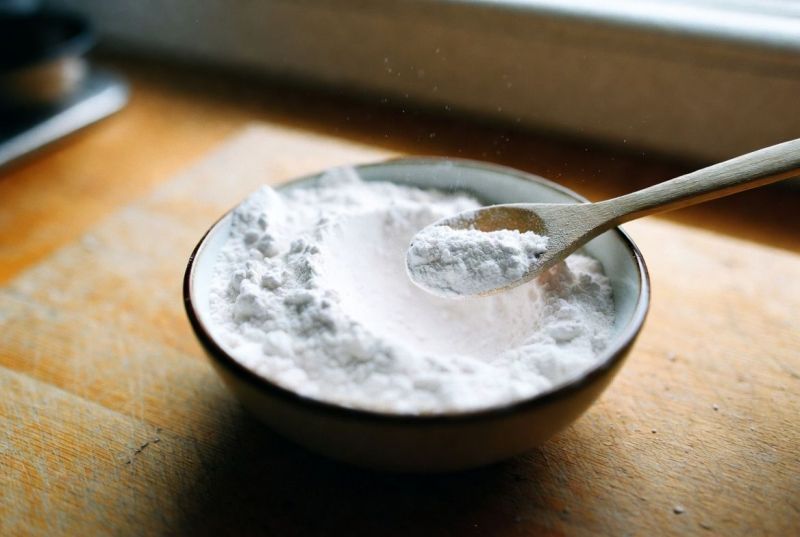
Simple Baking Soda Paste Recipe for Occasional Use
This basic recipe is one of the most commonly shared methods for trying baking soda on the face. It focuses on gentle application.
Ingredients (for one use):
- 1 teaspoon baking soda
- 1-2 tablespoons water (adjust for paste consistency)
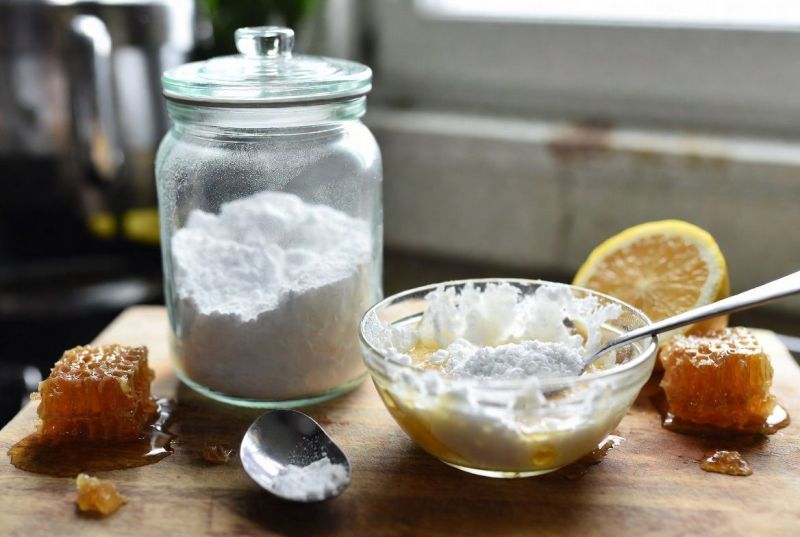
- Optional: A small amount of honey for added soothing (if your skin tolerates it)
Step-by-Step Instructions:
- In a clean bowl, mix the baking soda with water until it forms a smooth, spreadable paste.
- Wash your face with your regular gentle cleanser and pat dry.
- Apply a thin layer to targeted areas, avoiding the eyes and any sensitive spots. Use light circular motions for 30-60 seconds if exfoliating.
- Leave on for no more than 5-10 minutes.
- Rinse thoroughly with lukewarm water and follow with a moisturizer.
Use this at most 1-2 times per week. Many prefer starting with shorter times to observe how their skin reacts.
Variations People Often Try
Some combine baking soda with other kitchen items for added moisture or soothing effects, but keep portions small and test carefully.
- With honey: Adds humectant properties that may help counteract dryness.
- With oatmeal: Creates a milder scrub for sensitive skin types.
- With lemon juice: Popular in some recipes, but the acidity combined with baking soda requires extra caution due to potential irritation—use sparingly if at all.
Comparing Baking Soda to Other Common Options
| Approach | Pros | Considerations |
|---|---|---|
| Baking Soda Paste | Inexpensive, accessible | May disrupt pH, limited evidence |
| Gentle Chemical Exfoliants | Targeted for tone and texture | Often formulated for skin pH |
| Daily Moisturizing Routine | Supports barrier health | Consistent use needed for results |
This table highlights why many prefer balanced routines over single-ingredient experiments.
Best Practices for Healthier Skin Appearance
While exploring home remedies like baking soda, focus on foundational habits that support overall skin health:
- Daily sunscreen use to prevent further darkening of spots.
- Consistent hydration inside and out with water and moisturizers.
- Gentle cleansing without over-stripping the skin.
- Nutrient-rich diet including fruits, vegetables, and healthy fats.
These habits often contribute more noticeably to skin appearance over time than occasional masks.
When to Seek Professional Advice
If concerns about dark spots, wrinkles, or eye bags persist, a dermatologist can recommend evidence-based options tailored to your skin type. Professional guidance ensures safety and realistic expectations.
Frequently Asked Questions
Can baking soda be used daily on the face?
Most experts recommend limiting it to occasional use to avoid potential dryness or barrier disruption. Daily application is generally not advised.
Is baking soda effective for the under-eye area?
It is best to avoid this delicate region completely, as it can cause irritation. Gentler, ophthalmologist-approved products are safer choices.
What should I do if my skin reacts badly?
Rinse immediately, apply a soothing moisturizer, and discontinue use. Consult a healthcare professional if irritation continues.
Final Thoughts
Exploring natural ingredients like baking soda can be a fun, low-cost way to pamper your skin occasionally, but it works best as part of a mindful routine that prioritizes gentleness and consistency. Listen to your skin, prioritize safety, and celebrate the small steps that make you feel good. For lasting improvements in tone and texture, combine home care with proven lifestyle habits and professional recommendations when needed.
Disclaimer: This article is for informational purposes only and does not constitute medical advice. Results vary, and individual skin responses differ. Consult a qualified dermatologist before trying new skincare practices, especially if you have pre-existing conditions.