Living with kidney concerns often means paying close attention to what you eat, especially protein. Many people feel overwhelmed trying to balance nutrition while protecting their kidneys, leading to fatigue, worry about progression, and confusion over conflicting advice online. The good news is that making thoughtful choices about protein sources can help support your overall well-being without feeling overly restrictive. In this guide, you’ll discover practical options that fit a kidney-conscious lifestyle and learn exactly which proteins to prioritize and which to approach more carefully. Keep reading to uncover simple swaps that could make a real difference in how you feel day to day.

Why Protein Choices Matter for Kidney Health
Protein is essential for building and repairing tissues, maintaining muscle strength, and supporting your immune system. However, when kidneys aren’t filtering as efficiently, the byproducts of protein breakdown can build up, making smart selections important. Research shows that the type and amount of protein matter — plant-based options often produce less acid load compared to some animal sources, while portion control helps manage phosphorus and other minerals.
The key isn’t eliminating protein but choosing high-quality sources in amounts suitable for your stage of kidney health. Always work with your doctor or a registered dietitian to personalize this, as needs vary widely — especially if you’re on dialysis versus earlier stages.
4 Kidney-Supporting Protein Options to Enjoy
Here are four accessible proteins that many kidney patients find helpful when included thoughtfully. These tend to offer good nutritional value while being easier to manage in terms of mineral content.
1. Egg Whites
Egg whites provide high-quality protein with very low phosphorus compared to whole eggs. They’re versatile for breakfast scrambles, omelets, or added to baked goods. One study notes egg whites as an excellent low-phosphorus protein choice that supports albumin levels without heavy mineral load.
Quick tip: Use two egg whites in place of one whole egg in recipes to keep things balanced.
2. Skinless Chicken or Turkey Breast
Lean poultry like skinless chicken breast delivers solid protein with relatively controlled phosphorus when fresh and unprocessed. Grill, bake, or stir-fry small portions (about 3 ounces cooked) paired with low-potassium vegetables for a satisfying meal.
3. Certain Fish (Like White Fish or Salmon in Moderation)
Fresh fish such as cod, tilapia, or occasional salmon offers omega-3 benefits and high-quality protein. Opt for fresh or frozen without added sauces. Many kidney resources highlight fish as a preferable option over red meats.
4. Plant-Based Options Like Tofu or Black-Eyed Peas
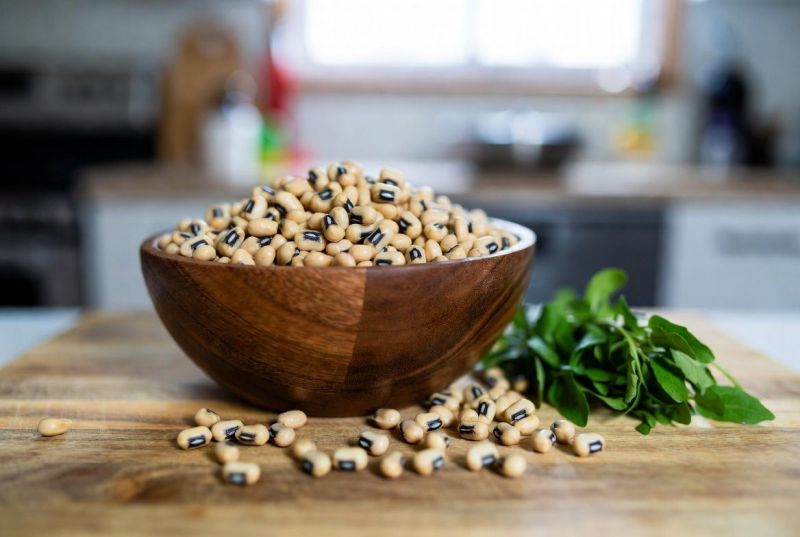
Plant proteins like tofu and black-eyed peas (as shown in many healthy meal examples) can be gentler on kidneys because the body absorbs less phosphorus from them. Black-eyed peas, in particular, appear in supportive kidney diet discussions for their moderate profile when portioned right. Half a cup of cooked tofu or these peas can add variety and fiber.
But that’s not all — the way you prepare these makes a big difference, which we’ll cover in actionable steps below.
6 Proteins to Limit or Approach Cautiously
While no food is completely off-limits for everyone, these six are often recommended to limit due to higher phosphorus, potassium, sodium, or overall protein load that can challenge kidney function.
- Processed Meats (bacon, sausages, deli slices): High in sodium, phosphorus additives, and preservatives. These can quickly add up in mineral burden.
- Full-Fat Dairy Products (regular milk, hard cheeses, yogurt): Rich in phosphorus and potassium. Even small amounts can impact levels significantly.
- Organ Meats (liver, kidneys): Extremely high in phosphorus and other compounds that kidneys may struggle to process.
- Red Meats (fatty cuts of beef or pork): Higher acid load and phosphorus compared to leaner alternatives. Limit portions strictly.
- Nuts and Seeds (in large quantities): While nutritious, many are high in phosphorus and potassium. Small handfuls of lower options may be okay, but check with your team.
- Certain Canned or Processed Beans (if not rinsed or low-sodium): Some legumes pack more minerals unless prepared carefully.
Comparison Table: Quick Reference
| Protein Type | Better For Kidney Health? | Key Reason | Suggested Portion Example |
|---|---|---|---|
| Egg Whites | Yes | Low phosphorus | 2-3 whites per meal |
| Skinless Chicken | Yes (moderate) | Lean, high-quality | 3 oz cooked |
| Processed Meats | Limit | High sodium & additives | Occasional only |
| Hard Cheese | Limit | High phosphorus | Small amounts |
This table helps visualize choices at a glance.
How to Make Smarter Protein Choices Daily
Here’s a simple step-by-step approach you can start today:
- Read Labels Carefully: Look for “phos” ingredients like sodium phosphate. Choose fresh or frozen items without additives.
- Portion Control: Stick to recommended serving sizes — often 2-3 ounces of animal protein per meal for non-dialysis patients.
- Balance with Plants: Aim for half your protein from plant sources when possible, as they may be less burdensome.
- Cooking Methods Matter: Boil or leach vegetables and proteins when needed to reduce potassium. Grill or bake instead of frying.
- Track and Adjust: Keep a simple food diary and review with your healthcare provider regularly.
Here’s the most interesting part — small, consistent changes like swapping one high-phosphorus item for a friendlier option can add up to noticeable improvements in energy and lab results over time, according to dietary guidance from kidney organizations.
Sample Kidney-Friendly Meal Ideas
- Breakfast: Egg white veggie scramble with herbs.
- Lunch: Grilled chicken salad with low-potassium greens and a small portion of black-eyed peas.
- Dinner: Baked white fish with tofu stir-fry elements for variety.
- Snack: A small amount of cottage cheese (lower phosphorus variety) or rice-based options.
These ideas keep meals enjoyable while supporting your goals.

Common Questions About Protein and Kidney Health
FAQ 1: How much protein do I need daily if I have kidney concerns?
It depends on your stage and whether you’re on dialysis. Early stages often benefit from moderate intake (around 0.6-0.8 g per kg body weight), while dialysis may require more. Your dietitian provides the best personalized target.
FAQ 2: Are all plant proteins better for kidneys?
Many plant proteins are advantageous due to lower bioavailability of phosphorus, but variety and portioning remain key. Not all are equal — focus on lower mineral options.
FAQ 3: Can I still enjoy meat on a kidney-friendly plan?
Yes, in moderation. Lean, fresh cuts like skinless poultry or fish fit better than processed or high-fat versions.
Final Thoughts
Supporting your kidney health through thoughtful protein choices is one of the most empowering steps you can take. By focusing on quality sources like egg whites, lean poultry, select fish, and plant options such as tofu or black-eyed peas — while limiting processed items, certain dairy, and organ meats — you create a sustainable approach that nourishes your body. Remember, these are general guidelines based on established kidney nutrition resources. Consult your healthcare team before making significant diet changes, as individual needs differ.
Disclaimer: This article is for informational purposes only and is not a substitute for professional medical advice. Always speak with your doctor or a qualified renal dietitian for advice tailored to your specific health condition.