As we get older, many of us notice changes in our vision that can make everyday tasks like reading, driving, or enjoying hobbies more challenging. These shifts often come with feelings of frustration and concern about maintaining independence and quality of life. The good news is that simple dietary choices, including nutrient-rich foods like mung beans, may help support overall eye health as part of a balanced lifestyle.

In this article, we’ll explore the nutritional profile of mung beans and practical ways to include them in your daily routine. Keep reading to uncover easy habits that can make a meaningful difference in how you nourish your eyes over time.
Why Nutrition Matters for Eye Health in Your Later Years
Our eyes rely on a steady supply of specific nutrients to function well. Antioxidants, vitamins, and minerals play key roles in protecting delicate eye tissues from everyday stress. Research suggests that diets rich in certain plant-based foods can contribute to better visual wellness.
Mung beans, also known as green gram, stand out as a versatile and affordable option. These small green seeds pack a surprising amount of beneficial compounds that align with eye-supporting nutrition.
Understanding the Nutritional Power of Mung Beans
Mung beans are nutrient-dense legumes loaded with protein, fiber, and essential micronutrients. A typical serving provides notable amounts of zinc, B vitamins, and antioxidants.
Zinc is particularly relevant for eye health. It helps transport vitamin A to the retina and supports the function of protective enzymes in eye tissues. Studies indicate that adequate zinc intake from food sources like beans may contribute to maintaining healthy vision.
Additionally, mung beans contain antioxidants such as polyphenols and flavonoids. These compounds help combat oxidative stress, a common factor in age-related changes. While not the highest source of lutein and zeaxanthin (found more abundantly in leafy greens), mung beans complement a diet focused on variety.
Key nutrients in mung beans that may support eye wellness:
- Zinc: Supports retinal health and vitamin A metabolism.
- Antioxidants: Help neutralize free radicals.
- Protein and fiber: Promote overall metabolic balance.
- B vitamins: Including folate, which aids cellular health.
- Magnesium and potassium: Contribute to general circulatory support.
How Mung Beans Fit Into an Eye-Friendly Eating Pattern
Incorporating mung beans isn’t about replacing other foods but adding them thoughtfully. Many experts recommend a diet with plenty of colorful plants, lean proteins, and whole grains to nourish the eyes.
Here’s what makes them practical:
- They are budget-friendly and widely available.
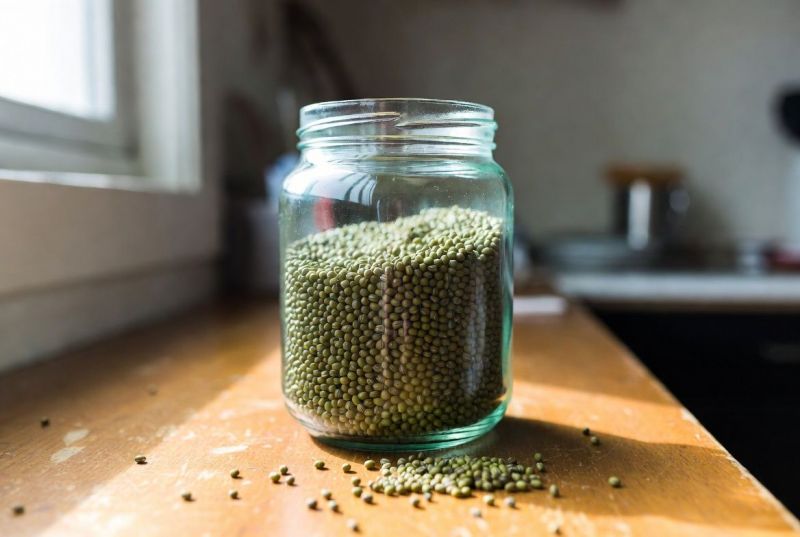
- They store well in dry form for months.
- They adapt to many cuisines and cooking styles.
Simple Ways to Prepare and Enjoy Mung Beans Daily
Making mung beans part of your routine is straightforward. Here are actionable steps anyone can follow.
Step-by-step guide to cooking basic mung beans:
- Rinse ½ cup of dry mung beans under cold water.
- Soak them for 4–8 hours or overnight to reduce cooking time and improve digestibility.
- Drain, then boil in fresh water (about 3 cups) for 20–30 minutes until tender.
- Season lightly with herbs, a pinch of salt, or olive oil.
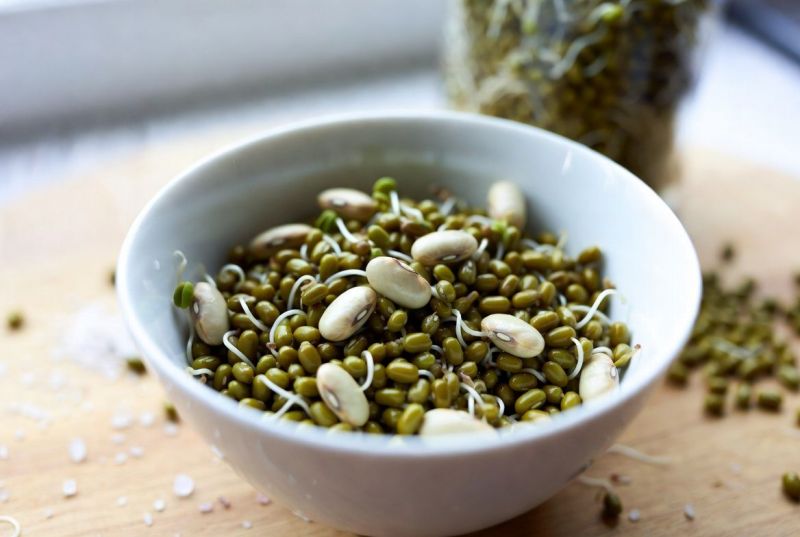
You can also sprout them for added crunch and potentially higher nutrient availability. Soak, rinse twice daily for 2–3 days until small tails appear, then enjoy raw or lightly cooked.
Creative recipe ideas to keep things interesting:
- Add cooked mung beans to vegetable soups or stews.
- Mix sprouted beans into fresh salads with tomatoes, cucumbers, and lemon dressing.
- Blend cooked beans into smoothies with spinach and citrus for a nutrient boost.
- Stir into stir-fries with garlic, ginger, and colorful vegetables.
- Use as a base for savory breakfast bowls with eggs and avocado.
These approaches help you consume a consistent amount without boredom.
More Foods That Complement Mung Beans for Vision Support
Mung beans work best alongside other eye-nourishing options. Consider pairing them with:
- Leafy greens like spinach and kale for lutein and zeaxanthin.
- Citrus fruits and berries for vitamin C.
- Nuts and seeds for vitamin E and healthy fats.
- Eggs or fatty fish for additional zinc and omega-3s.
Sample daily meal plan incorporating mung beans:
- Breakfast: Sprouted mung bean salad with tomatoes and herbs.
- Lunch: Mung bean soup with carrots and leafy greens.
- Snack: Handful of mixed nuts.
- Dinner: Stir-fried vegetables with cooked mung beans and brown rice.
Lifestyle Habits That Enhance Nutritional Benefits
Diet is just one piece. Regular eye check-ups, wearing UV-protective sunglasses, managing screen time with the 20-20-20 rule (every 20 minutes, look 20 feet away for 20 seconds), staying hydrated, and getting quality sleep all support long-term eye comfort.
Physical activity improves circulation, which benefits eye tissues. Even gentle walking helps.
Common Questions About Mung Beans and Eye Health
How much mung beans should I eat daily?
Aim for ½ to 1 cup of cooked beans most days as part of a varied diet. Start smaller if you’re new to legumes to allow your digestive system to adjust.
Are sprouted mung beans better?
Sprouting can increase certain nutrients and make them easier to digest for some people. Both forms offer benefits.
Can everyone include mung beans safely?
Most people tolerate them well, but those with legume sensitivities or specific digestive conditions should consult a healthcare provider. Always introduce new foods gradually.
Do I need supplements if I eat mung beans?
Whole foods are ideal, but supplements may be appropriate in some cases. Discuss with a doctor or registered dietitian based on your individual needs.
Putting It All Together: Build a Sustainable Habit
The real key is consistency over time. Small, enjoyable changes like adding mung beans to your meals can contribute to better nourishment and overall wellness. Many people report feeling more energized and satisfied when they include more plant-based proteins and fiber.
Experiment with flavors that appeal to you. Whether in savory Asian-inspired dishes, hearty soups, or fresh salads, find what fits your lifestyle.
Final Thoughts on Supporting Healthy Vision Naturally
Mung beans offer an accessible way to add valuable nutrients to your plate. Combined with a colorful, balanced diet and healthy daily habits, they can be part of a proactive approach to caring for your eyes as you age.
Start small today—perhaps by soaking a batch for tomorrow’s meal—and notice how these simple choices accumulate.
Disclaimer: This article is for informational purposes only and is not intended as medical advice. Individual results may vary. Consult with a qualified healthcare professional before making significant changes to your diet or lifestyle, especially if you have existing health conditions or concerns about your vision.