Many people toss and turn at night, waking up feeling anything but refreshed. You might notice your sheets are damp with sweat, your partner complains about your snoring, or you just can’t seem to keep your legs still no matter how tired you are. These subtle disruptions can feel frustrating and exhausting, chipping away at your energy and mood day after day. But what if these nighttime experiences are connected to something deeper in your body? The good news is that paying attention to these patterns can help you understand what might be happening and take simple steps to feel better.

What Is the Thyroid and Why Does Sleep Matter?
Your thyroid is a small, butterfly-shaped gland in your neck that produces hormones regulating metabolism, energy, and temperature. When these hormones are out of balance, it can affect nearly every system in your body, including how you sleep. Research shows that both overactive and underactive thyroid function can influence sleep quality in noticeable ways.
But here’s the thing: many of these signs happen while you’re sleeping, so you might not even realize they’re clues. In the sections below, we’ll explore three common nighttime signs that could point to an imbalance, why they happen, and practical ways to support better rest and overall well-being.
Sign 1: Night Sweats or Feeling Too Hot (or Too Cold) During Sleep
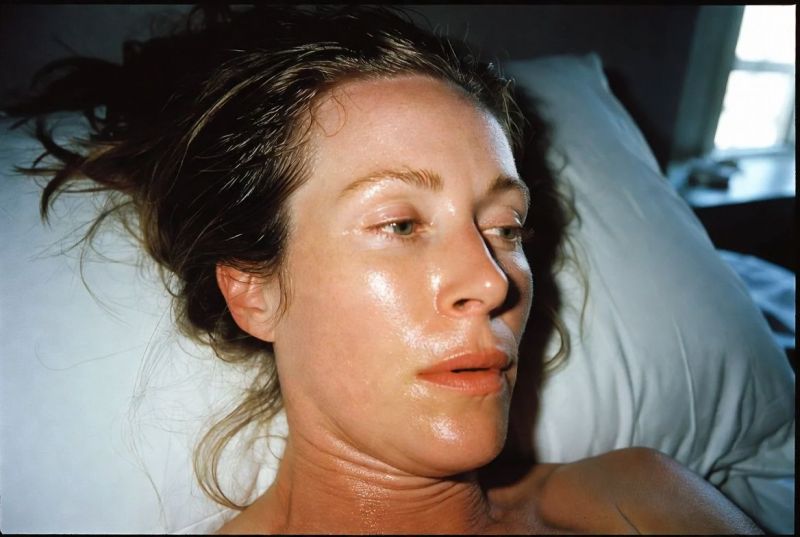
One of the most talked-about sleep disruptions linked to thyroid changes is waking up feeling overheated or drenched in sweat. This is especially common when the thyroid is producing too much hormone, which can speed up your metabolism and make your body generate extra heat at night.
On the flip side, an underactive thyroid might leave you feeling unusually cold, prompting you to pile on blankets only to wake up uncomfortable later. Studies suggest these temperature regulation issues can fragment your sleep and leave you feeling drained.
Why this happens: Thyroid hormones help control your body’s thermostat. When levels fluctuate, your internal temperature control can go off track, especially during the deeper stages of sleep when your body naturally adjusts.
Simple steps to try tonight:
- Keep your bedroom cool, around 65°F (18°C), and use breathable bedding.
- Wear lightweight, moisture-wicking sleepwear.
- Track your symptoms in a simple notebook for a week to spot patterns.
Sign 2: Loud Snoring or Interrupted Breathing
If your partner mentions loud snoring or you wake up gasping or feeling like you didn’t breathe smoothly, this could be worth noting. An underactive thyroid is sometimes associated with a higher risk of obstructive sleep apnea, where the airway becomes partially blocked during sleep. This can happen due to swelling or changes in muscle tone around the throat area.
People often report waking up multiple times without realizing it, leading to poor sleep quality even after a full night in bed.
What to watch for:
- Morning headaches
- Dry mouth upon waking
- Daytime tiredness despite sleeping 7-8 hours
Actionable tips to support better breathing at night:
- Sleep on your side instead of your back.
- Maintain a healthy weight through balanced eating and gentle movement.
- Consider elevating the head of your bed slightly if snoring is an issue.
Sign 3: Restless Legs or Frequent Waking with Discomfort
Do you find yourself needing to move your legs constantly before falling asleep, or do you wake up with an uncomfortable crawling sensation? Restless legs syndrome (RLS) has been linked to thyroid imbalances in some studies, possibly due to effects on dopamine pathways and iron levels that thyroid function influences.
This can make it hard to fall asleep or stay asleep, creating a cycle of fatigue that feels hard to break.
Other related feelings people notice:
- Muscle aches or cramps at night
- Difficulty getting comfortable
- Feeling wired even when exhausted
Practical ways to ease restlessness:
- Gentle stretching or a warm bath before bed.
- Ensure your diet includes foods rich in magnesium, like leafy greens, nuts, and seeds.
- Stick to a consistent bedtime routine to signal your body it’s time to wind down.
Lifestyle Habits That May Help Support Thyroid Balance and Better Sleep
Small daily choices can make a real difference in how you feel. Here are some evidence-based approaches many people find helpful:
- Prioritize consistent sleep schedules: Going to bed and waking up at similar times helps regulate hormones.
- Watch your iodine and nutrient intake: Foods like seafood, eggs, and dairy can support thyroid function, but balance is key.
- Manage stress: Practices like deep breathing, walking, or mindfulness can reduce the load on your endocrine system.
- Stay active during the day: Moderate exercise, such as walking or yoga, promotes better sleep without overstimulating.
Foods and Habits Worth Considering
- Include selenium-rich foods like Brazil nuts (in moderation).
- Limit caffeine and heavy meals close to bedtime.
- Stay hydrated but reduce fluids in the evening if nighttime bathroom trips are an issue.
When to Talk to a Healthcare Professional
If these signs persist or affect your daily life, it’s wise to discuss them with your doctor. Simple blood tests can provide clarity on thyroid hormone levels. Early attention often leads to better outcomes and improved quality of life.
Conclusion: Listening to Your Body at Night
Noticing unusual patterns while you sleep can be an empowering first step toward feeling more balanced and energetic during the day. By paying attention to signs like night sweats, breathing changes, or restlessness, and making supportive lifestyle adjustments, many people report better rest and overall well-being. Your body is always communicating—sometimes the clues show up when everything else is quiet.

FAQ
1. Can poor sleep alone cause thyroid problems?
Sleep and thyroid function influence each other, but poor sleep by itself doesn’t typically cause a thyroid disorder. However, chronic sleep issues can make existing imbalances feel more noticeable.
2. Are these signs only related to thyroid issues?
No. Many factors like stress, menopause, sleep apnea, or diet can cause similar symptoms. That’s why professional evaluation is important for personalized insights.
3. What is the best way to start improving sleep if I suspect a thyroid connection?
Begin with consistent sleep hygiene, a balanced diet, and gentle movement. Tracking your symptoms for a couple of weeks can provide useful information to share with your healthcare provider.
Disclaimer: This article is for informational purposes only and is not a substitute for professional medical advice. Always consult with a qualified healthcare provider for any health concerns or before making significant changes to your diet or lifestyle.