Many people today feel overwhelmed by daily stress, occasional discomfort from inflammation, and the search for natural ways to support their overall sense of well-being. In our fast-paced lives, finding simple, time-tested options that fit into everyday routines can feel challenging. That’s where frankincense, a fragrant resin with centuries of history, comes into the picture as an intriguing natural ingredient worth learning about. But what makes this ancient resin continue to capture attention in wellness circles today—and how can you safely explore its potential in your own life? Keep reading to uncover practical insights you won’t want to miss.
What Is Frankincense and Where Does It Come From?
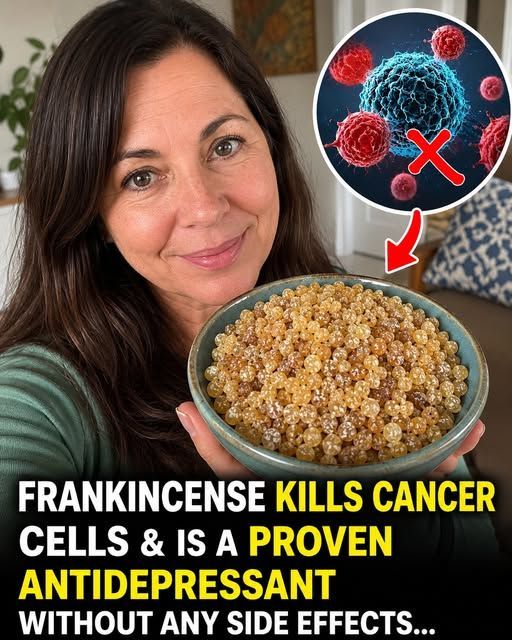
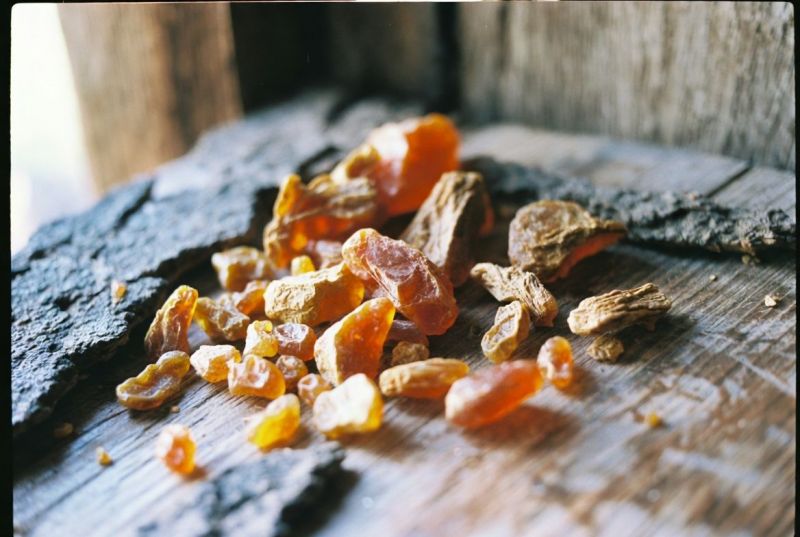
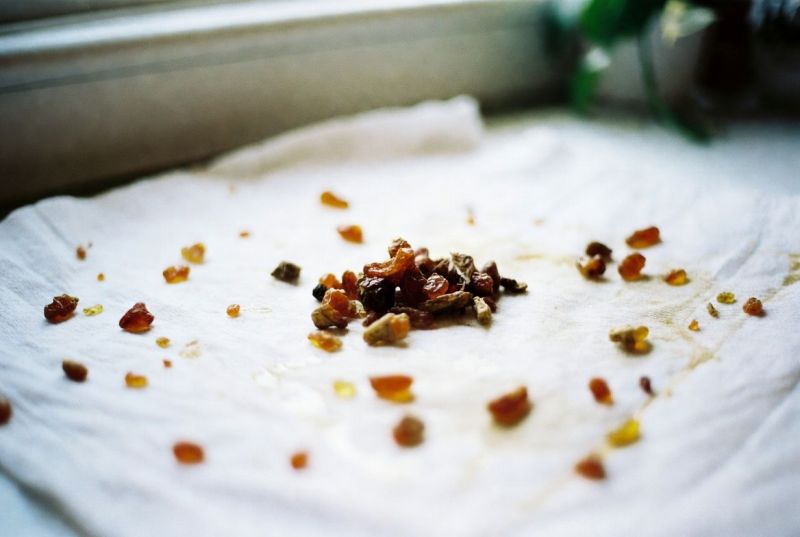
Frankincense is the dried resin harvested from trees in the Boswellia genus, primarily grown in regions of the Middle East, North Africa, and parts of India. Harvesters make small incisions in the bark, allowing the sap to ooze out, harden in the air, and form golden tears of resin that are later collected and sorted.
This process has remained largely unchanged for thousands of years. The resin is then turned into essential oils, extracts, incense, or supplements for various applications.
But that’s just the beginning. The real story lies in the unique compounds within the resin.
The Science Behind Frankincense: Key Compounds to Know
The primary active components in frankincense are boswellic acids. Research suggests these pentacyclic triterpenes may help modulate certain inflammatory pathways in the body.
Studies have explored how boswellic acids interact with enzymes like 5-lipoxygenase (5-LOX), which plays a role in the production of leukotrienes—molecules associated with inflammatory responses. This mechanism has made frankincense a subject of interest in laboratory and clinical settings.
Here are some areas where preliminary research has looked at frankincense extracts:
- Joint comfort and mobility: Small human trials have observed reductions in reported joint stiffness and discomfort when using standardized Boswellia extracts.
- Respiratory support: Some studies noted improvements in breathing comfort for individuals with certain inflammatory airway conditions.
- General wellness: Its historical use in aromatherapy for creating a calming atmosphere during meditation or relaxation practices.
Here’s the interesting part: While traditional systems of medicine have long valued frankincense, modern science continues to investigate these effects with controlled studies. Results vary, and more high-quality research is always needed.
Frankincense in History: A Timeless Wellness Companion
Frankincense wasn’t just a luxury item in ancient times—it played roles in religious ceremonies, trade routes, and daily life across cultures. Egyptians used it in embalming and rituals. It appears in biblical texts as one of the gifts brought to the infant Jesus. Traders carried it along the famous Incense Route, where it was as valuable as gold.
In Ayurvedic and traditional Chinese practices, it has been incorporated into formulas aimed at supporting balance and comfort. This rich heritage is why many wellness enthusiasts today are rediscovering it as part of mindful routines.
But how exactly can you bring this ancient resin into your modern lifestyle safely?
Practical Ways to Incorporate Frankincense Into Your Daily Routine
Here are actionable steps you can try. Always start small and choose high-quality sources.
1. Aromatherapy for a Calming Atmosphere
- Diffuse 3-5 drops of frankincense essential oil in a water-based diffuser for 30-60 minutes.
- Combine with lavender or citrus oils for a personalized blend that promotes relaxation.
- Use during evening wind-down time or morning meditation sessions.
Many people report that the warm, woody aroma helps create a peaceful environment that supports emotional balance.
2. Topical Application for Skin Care
Frankincense oil is popular in skincare for its potential to support healthy-looking skin.
- Dilute 1-2 drops in 1 teaspoon of a carrier oil like jojoba or coconut oil.
- Apply gently to clean skin, focusing on areas prone to dryness or fine lines.
- Perform a patch test first on your inner arm to check for sensitivity.
Pro tip: Many natural skincare routines include frankincense in homemade serums or store-bought creams designed for mature skin.
3. Exploring Supplements (With Professional Guidance)
Standardized Boswellia extracts are available as capsules. Typical research doses have ranged around 100-300 mg of extract per day, but this varies.
Always consult a healthcare provider before starting any supplement, especially if you have existing conditions or take medications.
Comparing Forms of Frankincense: Which Might Suit You?
| Form | Best For | Considerations | Ease of Use |
|---|---|---|---|
| Essential Oil | Aromatherapy, topical | Must dilute; strong aroma | High |
| Resin Tears | Incense burning | Traditional, requires burner | Medium |
| Standardized Extract | Internal wellness support | Look for AKBA content; consult doctor | High |
| Creams/Serums | Skincare | Pre-diluted, convenient | Very High |
This table helps you see options at a glance so you can choose what fits your lifestyle.
Potential Benefits Backed by Emerging Research
Beyond the basics, here’s what some studies suggest about frankincense:
Research indicates possible support for:
- Maintaining comfortable joint function over time.
- Promoting a sense of calm that may aid sleep quality.
- Supporting skin appearance through hydration and soothing properties.
One pilot study on knee discomfort showed participants reporting positive changes after consistent use of Boswellia extract.
But here’s what many people overlook: Individual responses vary widely. Factors like diet, exercise, and overall health play major roles.
Safety Considerations and Best Practices
Frankincense is generally well-tolerated when used appropriately. Common side effects, when they occur, may include mild skin irritation or digestive upset with oral forms.
Important safety notes:
- Always dilute essential oils before skin application.
- Pregnant or breastfeeding individuals should avoid internal use and consult professionals.
- Those with bleeding disorders or on blood-thinning medications should seek medical advice.
- Purchase from reputable suppliers who test for purity.
Quality matters enormously. Look for products specifying Boswellia serrata or other verified species with standardized boswellic acid content.
Common Myths About Frankincense Debunked
Myth 1: Frankincense is a miracle cure-all.
Reality: While promising, it is one supportive tool among many lifestyle practices. No single ingredient replaces professional medical care.
Myth 2: All frankincense products work the same.
Reality: Concentration of active compounds differs greatly between cheap imports and high-quality extracts.
Myth 3: You can use undiluted oil everywhere.
Reality: This increases risk of irritation. Dilution is essential.
Understanding these distinctions helps you make informed choices.
How to Choose High-Quality Frankincense Products
- Check for third-party testing and certificates of analysis.
- Look for mentions of boswellic acid percentage, especially AKBA (acetyl-11-keto-beta-boswellic acid).
- Read reviews from verified buyers focused on aroma and purity.
- Prefer transparent brands with clear sourcing information.
- Start with small quantities to test personal tolerance.
Integrating Frankincense Into a Holistic Wellness Plan
Frankincense works best alongside other healthy habits:
- Balanced anti-inflammatory diet rich in fruits, vegetables, and omega-3s.
- Regular gentle movement like walking or yoga.
- Stress management through meditation or deep breathing.
- Quality sleep routines.
Many users combine frankincense diffusion with journaling or mindfulness practices for enhanced relaxation.
This is where it gets really powerful—when used as part of a consistent, balanced approach rather than in isolation.
Conclusion: Embracing Ancient Wisdom Mindfully
Frankincense offers a fascinating window into natural wellness traditions that have stood the test of time. Its warm aroma, potential soothing properties, and role in supporting comfort make it a worthy addition to thoughtful self-care routines. By approaching it with curiosity and respect for science-backed safety guidelines, you can explore its benefits responsibly.
Remember, true wellness comes from a combination of informed choices, professional guidance when needed, and listening to your body’s signals.
FAQ
1. Can I use frankincense essential oil every day?
Yes, many people incorporate diluted topical use or diffusion daily as part of their routine. Listen to your body and take breaks if needed. Always follow dilution guidelines.
2. How long does it take to notice effects from frankincense supplements?
Individual experiences vary. Some studies observed effects over several weeks of consistent use. Results are not immediate and depend on many personal factors.
3. Is frankincense safe for children or pets?
Extra caution is advised. Consult pediatricians or veterinarians before use around children or animals, as sensitivities can differ.
Disclaimer: The information in this article is for educational and informational purposes only. It is not intended as medical advice, diagnosis, or treatment. Always consult with a qualified healthcare professional before making any changes to your health regimen, especially if you have medical conditions or are taking medications. Individual results may vary.