Many people struggle with keeping their blood sugar levels steady throughout the day, especially after meals or as they get older. The constant worry about energy crashes, unexpected spikes, and long-term health concerns can feel overwhelming and exhausting. What if something as simple and everyday as a red onion could play a supportive role in your wellness routine?

That’s exactly what we’ll explore in this article. You’ll discover practical ways to incorporate red onions into your life, backed by what research tells us so far. But first, let’s look closer at why this common kitchen staple has caught the attention of so many health-conscious individuals. Keep reading because there’s a simple preparation method at the end that might surprise you with how easy it is to try.
Why Red Onions Stand Out for Blood Sugar Awareness
Red onions aren’t just colorful additions to your meals. They belong to the Allium family and pack a variety of natural compounds that have interested researchers studying metabolic health.
One key player is quercetin, a type of flavonoid antioxidant abundant in red onions, especially in the outer layers. Research suggests this compound may help the body respond better to insulin and manage glucose processing.
But that’s not the whole story. Sulfur-containing compounds in onions have also shown potential in laboratory and small-scale human observations to influence how the body handles carbohydrates.
These properties make red onions an interesting option for anyone looking to build more supportive eating habits.
What Science Suggests About Onions and Blood Sugar Support
Several preliminary studies have examined onions in relation to glucose levels. In one small trial, participants with type 2 diabetes who consumed around 100 grams of raw red onion saw notable changes in fasting blood sugar measurements after a few hours.
Animal studies have explored onion extracts and powders, showing potential benefits for fasting glucose and overall metabolic markers in controlled settings. A 2020 study on diabetic rats found that including dried onion powder in their diet was associated with lower fasting blood sugar and improved lipid profiles over several weeks.
Here’s the important part: These findings are promising but come mostly from small or preliminary research. Results can vary widely between individuals, and onions work best as part of a broader approach that includes balanced meals, physical activity, and medical guidance.
Human data remains limited, and more large-scale studies are needed. Always view this as complementary information rather than a standalone solution.
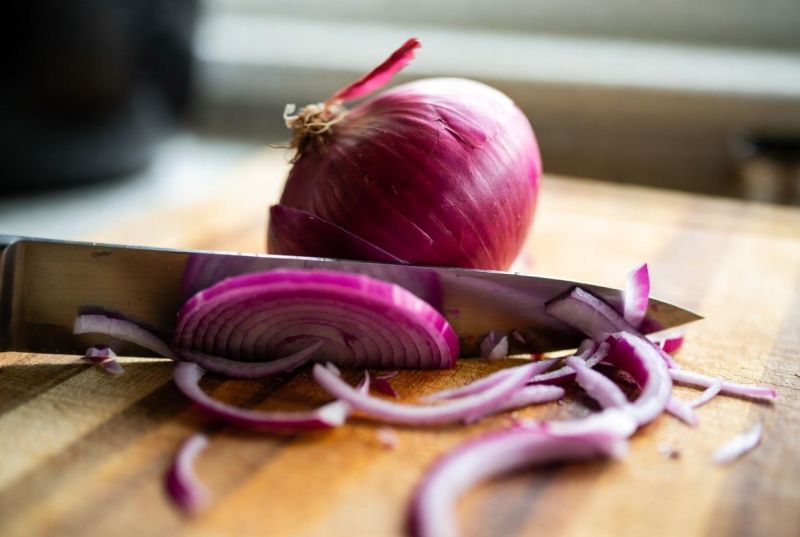
Key Compounds in Red Onions That May Offer Support
Red onions provide more than flavor. Here’s a quick look at some relevant nutrients:
- Quercetin: Concentrated in red varieties; acts as an antioxidant that may help reduce oxidative stress linked to metabolic challenges.
- Sulfur compounds (like allyl propyl disulfide): These may influence how the body processes insulin and glucose in some studies.
- Fiber: Both soluble and insoluble types that can slow carbohydrate absorption.
- Vitamin C and other antioxidants: Support overall cellular health.
Including these in your meals might contribute to steadier energy levels when combined with other healthy choices.
Simple Ways to Add Red Onions to Your Routine
One of the best things about red onions is their versatility. You don’t need complicated recipes to start benefiting from them.
Try these everyday ideas:
- Slice them thin and add to salads for a crunchy, flavorful boost.
- Sauté lightly with olive oil and garlic to top grilled proteins or vegetables.
- Include them raw in sandwiches or wraps for maximum compound retention.
- Roast them alongside other veggies for a sweeter, caramelized taste.
Pro tip: To preserve more of the beneficial quercetin, minimize peeling and avoid overcooking when possible.
Easy Red Onion Preparation for Daily Use
Here’s a straightforward method many people enjoy trying. This simple infusion-style approach is quick and fits easily into busy schedules.
Ingredients (for one serving):
- 1 medium fresh red onion
- 1-2 cups of water
- Optional: A squeeze of fresh lemon juice or a small piece of cinnamon stick for flavor
Step-by-Step Instructions:
- Peel and thinly slice or finely chop the red onion.
- Place the pieces in a small pot with the water.
- Bring to a gentle boil, then reduce heat and simmer for about 8-10 minutes until the liquid takes on a light hue.
- Remove from heat, strain the liquid, and let it cool slightly.
- Add lemon juice if desired for taste and extra freshness.
- Drink warm or at room temperature, ideally as part of your morning or evening routine.
But here’s where it gets even better. You can also save the cooked onion pieces to add to meals later. This way, you’re getting both the infused liquid and the vegetable itself.
Many readers report this becomes a comforting habit once they try it for a week or two.
Comparing Red Onions to Other Common Vegetables
| Vegetable | Key Supporting Compound | Ease of Daily Use | Flavor Profile |
|---|---|---|---|
| Red Onion | Quercetin + Sulfur | Very High | Sharp to sweet |
| Garlic | Allicin | High | Strong |
| Broccoli | Sulforaphane | Medium | Earthy |
| Leafy Greens | Fiber + Magnesium | High | Mild |
Red onions win points for being affordable, long-lasting in the pantry, and easy to incorporate without major taste adjustments.
More Actionable Tips for Building Better Habits
Incorporating supportive foods works best when you make it consistent. Here are additional strategies:
- Pair with protein and healthy fats: Combine onions with eggs, chicken, or avocado to create more balanced meals.
- Monitor your portions: Start with 50-100 grams per day to see how your body responds.
- Stay consistent: Small daily additions often make more difference than occasional large amounts.
- Track how you feel: Keep a simple journal of energy levels and meal compositions.
- Combine with movement: A short walk after meals can complement dietary choices beautifully.
Sự thật là these small changes can add up over time to create noticeable improvements in how you feel day to day.
Potential Benefits Beyond Blood Sugar Awareness
While the focus here is metabolic support, red onions are also linked in research to:
- Antioxidant protection for overall wellness
- Possible anti-inflammatory effects
- Heart health support through various mechanisms
- Digestive benefits from their fiber content
These broader advantages make them a smart staple for general healthy eating.
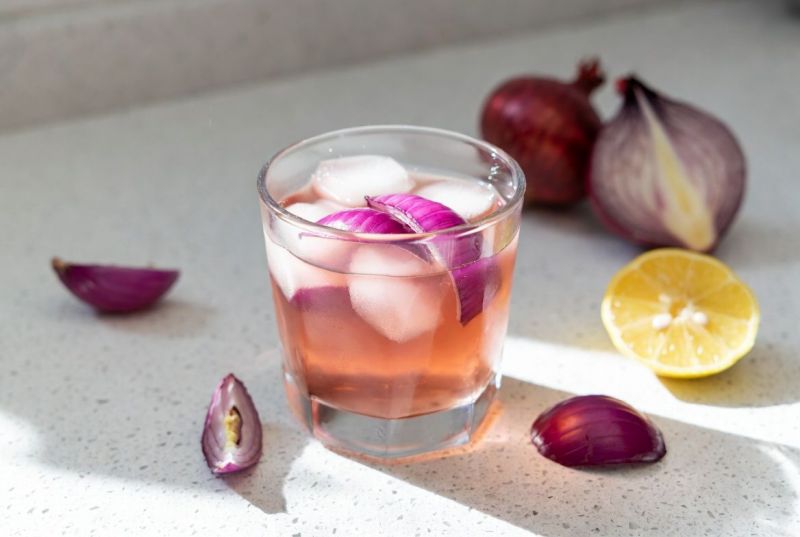
Common Questions People Ask About Red Onions
Can I eat red onions every day?
Yes, for most healthy adults, moderate daily consumption (around 1/2 to 1 medium onion) is generally well-tolerated and fits into balanced diets. Listen to your body and adjust as needed.
Is raw better than cooked?
Raw onions may retain higher levels of certain heat-sensitive compounds like quercetin. However, cooked onions are still nutritious and often easier to digest for some people.
Are all onions equally beneficial?
Red and yellow onions tend to have higher quercetin content due to their pigmentation. White onions and shallots offer benefits too, but red varieties often stand out in studies.
What if I have digestive sensitivity?
Start small and cook them thoroughly if raw onions cause discomfort. The FODMAP content in onions can be an issue for some, so personal tolerance matters.
How long before I might notice changes?
Individual responses vary. Some people report steadier energy within days or weeks, while others see subtler shifts over longer periods. Consistency and overall lifestyle are key.
Putting It All Together: Your New Daily Approach
Red onions represent one accessible tool in the larger picture of metabolic wellness. By understanding their potential and using them thoughtfully, you can add variety and possible supportive benefits to your meals without complexity.
Remember, no single food replaces professional medical advice or comprehensive lifestyle changes. Work with your healthcare provider to create a plan that fits your unique needs, especially if you’re managing specific health conditions or taking medications.
Start small today. Pick up a few red onions on your next grocery run and try one of the simple methods shared here. Your future self might thank you for building this easy habit.
Disclaimer: This article is for informational purposes only and is not intended as medical advice, diagnosis, or treatment. The information provided is based on available research but should not replace consultation with qualified healthcare professionals. Individual results may vary. Always speak with your doctor before making significant dietary changes, particularly if you have diabetes or other health conditions.