Many people experience occasional bloating, sluggish digestion, or irregular bowel movements that leave them feeling uncomfortable and low on energy. These issues often stem from busy lifestyles, diets low in fiber, or not drinking enough water throughout the day. Over time, this can affect how you feel on a daily basis, making simple tasks seem harder and reducing your overall sense of well-being.

The good news is that small, consistent changes with everyday ingredients like flaxseeds may offer gentle support for your digestive system. In this article, we explore what makes these tiny seeds special, how they work with your body, and practical ways to include them in your routine.
Why Flaxseeds Have Gained Attention for Digestive Support
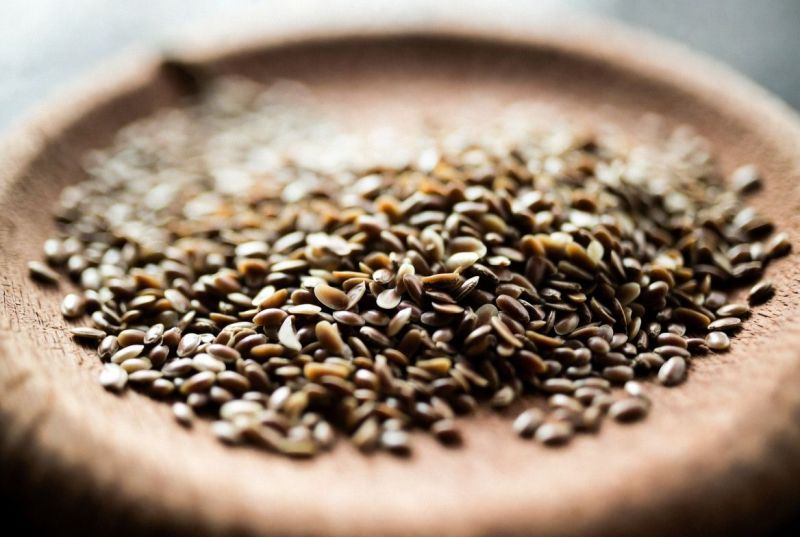
Flaxseeds, also known as linseeds, are one of the oldest cultivated crops and have been valued in traditional practices for generations. They are packed with nutrients that align well with modern understanding of gut health. What stands out most is their impressive fiber content, which includes both soluble and insoluble types.
Soluble fiber in flaxseeds forms a gel-like substance when mixed with water. This can help create a soothing environment in the intestines. Insoluble fiber adds bulk to stool, supporting the natural movement through the digestive tract. Research suggests that regular intake of such fibers can contribute to more comfortable and predictable digestion.
Understanding the Fiber Magic in Flaxseeds
Here is what makes flaxseeds unique compared to many other seeds:
- High in mucilage: This natural gummy fiber absorbs water and expands gently, helping soften stool without harsh effects.
- Balanced fiber profile: A combination that supports both regularity and gut bacteria balance.
- Additional nutrients: Omega-3 fatty acids and lignans that may offer broader wellness benefits beyond digestion.
Studies have explored how ground flaxseed can support bowel regularity. For example, some research indicates improvements in stool frequency and consistency when included as part of a balanced diet.
How Flaxseeds May Support Your Daily Digestion
When you consume flaxseeds, the soluble fiber mixes with fluids in your stomach and intestines. This gel-like texture can help food move more smoothly. The insoluble fiber adds volume, which encourages the muscles in your digestive tract to work efficiently.
Many people notice they feel lighter and more comfortable after making flaxseeds a habit. This is because the fiber feeds beneficial gut bacteria, supporting a healthier microbiome over time.
Simple Recipe Ideas to Try at Home
One popular way to enjoy flaxseeds is in a soothing drink. Here is a basic approach many people like:
- Start with 1-2 tablespoons of ground flaxseeds.
- Mix them into a glass of warm water or your favorite herbal tea.
- Let it sit for a few minutes so the mucilage can develop.
- Stir and drink, preferably in the morning or before bed.
You can also add a squeeze of lemon for flavor or mix in a bit of honey if desired. Always drink plenty of water alongside it to help the fiber do its job effectively.
Creative Ways to Add Flaxseeds to Meals
- Sprinkle ground flaxseed over morning oatmeal or yogurt.
- Blend into smoothies for a nutty boost.
- Mix into baked goods like muffins or bread for extra texture.
- Stir into soups, salads, or salad dressings.
Benefits Beyond Basic Digestion
While many turn to flaxseeds for digestive comfort, they offer more. The omega-3s may help support overall wellness, and lignans have antioxidant properties. Some studies link higher fiber intake from sources like flaxseeds to better heart health markers and stable energy levels.
Choosing and Preparing Flaxseeds Properly
Whole flaxseeds are sturdy, but your body may not break them down fully. Grinding them just before use helps you absorb more of the nutrients. You can use a coffee grinder or buy pre-ground versions and store them in the fridge to keep them fresh.
Start with small amounts, such as one teaspoon per day, and gradually increase to allow your system to adjust.
Potential Considerations and Tips for Best Results
- Drink at least 8-10 glasses of water daily when increasing fiber.
- Introduce flaxseeds slowly to minimize temporary bloating.
- Consult a healthcare professional if you have existing digestive conditions or take medications, as flaxseeds can interact with some.
Step-by-Step Guide to Building a Flaxseed Habit
- Week 1: Add 1 teaspoon of ground flaxseed to one meal daily.
- Week 2: Increase to 1 tablespoon and try it in two different ways.
- Week 3 and beyond: Experiment with recipes and notice how your body responds.
- Track your water intake and how you feel after meals.
Comparing Flaxseeds to Other Fiber Sources
| Fiber Source | Soluble Fiber | Insoluble Fiber | Best For | Ease of Use |
|---|---|---|---|---|
| Flaxseeds | High | High | Regularity & soothing | Versatile |
| Psyllium Husk | Very High | Low | Bulk-forming | Drink mix |
| Chia Seeds | High | Moderate | Gel-forming | Pudding style |
| Oats | Moderate | Moderate | Heart health | Breakfast |
Flaxseeds stand out for their balanced profile and mild taste.
What Science Suggests About Regular Use
Multiple studies have looked at flaxseed supplementation in various groups. Participants often reported better bowel habits and reduced discomfort when consuming around 10-30 grams daily as part of their diet. These findings come from controlled observations rather than dramatic overnight changes.
The key is consistency and pairing it with a varied, balanced diet rich in fruits, vegetables, and whole grains.
Lifestyle Factors That Work Well With Flaxseeds
- Stay active with daily walks to support natural digestion.
- Eat mindfully and chew food thoroughly.
- Manage stress, as it can affect gut function.
- Prioritize sleep for overall recovery.
Common Questions People Ask
How long does it take to notice changes?
Many people report feeling more regular within a few days to a couple of weeks, but results vary based on diet and lifestyle.
Can I use whole or ground flaxseeds?
Ground is generally recommended for better nutrient absorption, while whole seeds provide more crunch and can be used in baking.
Are there any side effects to watch for?
Mild bloating or gas can occur when first increasing fiber. Starting small and drinking more water usually helps. If issues persist, speak with a doctor.
Is it safe for daily use?
For most healthy adults, yes, when used as part of a balanced diet. Individual needs differ, so professional guidance is wise.

Conclusion: Small Seeds, Meaningful Habits
Incorporating flaxseeds into your daily routine offers a simple, natural way to support digestive comfort and gut wellness. Combined with hydration, movement, and varied nutrition, these tiny powerhouses can become a helpful ally in feeling your best every day.
Remember, lasting changes come from sustainable habits rather than quick fixes. Listen to your body and enjoy the process of nourishing it well.
Disclaimer: This article is for informational purposes only and is not intended as medical advice. Always consult with a qualified healthcare professional before making significant changes to your diet, especially if you have health conditions or concerns. Individual results may vary.