In our fast-paced lives, staying resilient against seasonal challenges like colds and everyday wellness hurdles can feel overwhelming. Many people notice frequent fatigue, minor sniffles that linger, or just a general sense of needing extra support during colder months or stressful periods. These small issues can disrupt routines, affect energy levels, and make simple daily tasks feel harder than they should. That’s where familiar ingredients in our kitchens come into play—simple additions that have been part of traditional practices for generations.
What if one of the most accessible items in your pantry could offer interesting properties worth exploring for daily habits? In this guide, we’ll dive into garlic’s fascinating background, its key compounds, and practical ways to incorporate it thoughtfully. Keep reading to discover evidence-based insights and easy tips that might surprise you by the end.
What Makes Garlic Special? Understanding Its Natural Compounds
Garlic (Allium sativum) has been valued across cultures for centuries, not just for its bold flavor but for its rich profile of bioactive elements. At its core is a unique sulfur-containing compound called allicin, formed when fresh garlic is crushed or chopped. This process activates an enzyme called alliinase, turning alliin into allicin—the star player often highlighted in research.
Studies suggest these organosulfur compounds contribute to garlic’s reputation. Research published in scientific reviews indicates potential broad-spectrum activity in laboratory settings against various microorganisms, though results vary by preparation method and individual factors.
Key Nutritional Highlights per Typical Serving (about 3-9g or 1-3 cloves):
- Low in calories (around 4-13 kcal)
- Provides small amounts of vitamin C, vitamin B6, manganese, and selenium
- Contains fiber and antioxidants that support overall wellness
These nutrients make garlic a convenient addition to balanced meals rather than a standalone solution.
The Science Behind Garlic’s Interest in Wellness Circles
Numerous laboratory and some human observational studies have explored garlic’s potential. For instance, allicin and related compounds like diallyl sulfides have shown ability in test-tube and animal models to interact with microbial processes.
One area of interest is immune modulation. Some research points to garlic supporting certain immune cells, such as macrophages and natural killer cells, potentially helping the body maintain balance.
Important Note on Research: While promising, much evidence comes from in vitro (lab) studies or traditional use. Human clinical results can differ, and garlic is best viewed as part of a varied diet and healthy lifestyle, not a replacement for medical advice.
But that’s not all—garlic’s compounds may also offer antioxidant support, helping combat oxidative stress from daily life.
Garlic and Everyday Immune Habits: What Studies Suggest
Many people turn to garlic during times when they want extra support. A well-known study found that regular garlic consumption was associated with fewer days of feeling under the weather compared to placebo in some groups.
- Potential Antimicrobial Properties: Lab research highlights activity against certain bacteria and fungi, attributed to allicin’s ability to disrupt cell structures or enzyme functions.
- Heart Health Connections: Some studies link garlic to modest support for healthy blood pressure and cholesterol levels within a heart-friendly diet.
- Anti-Inflammatory Aspects: Sulfur compounds may help regulate inflammatory responses, contributing to general comfort.
These findings fuel ongoing interest, but individual responses vary based on dosage, freshness, and overall health.
How to Maximize Garlic’s Benefits in Your Daily Routine
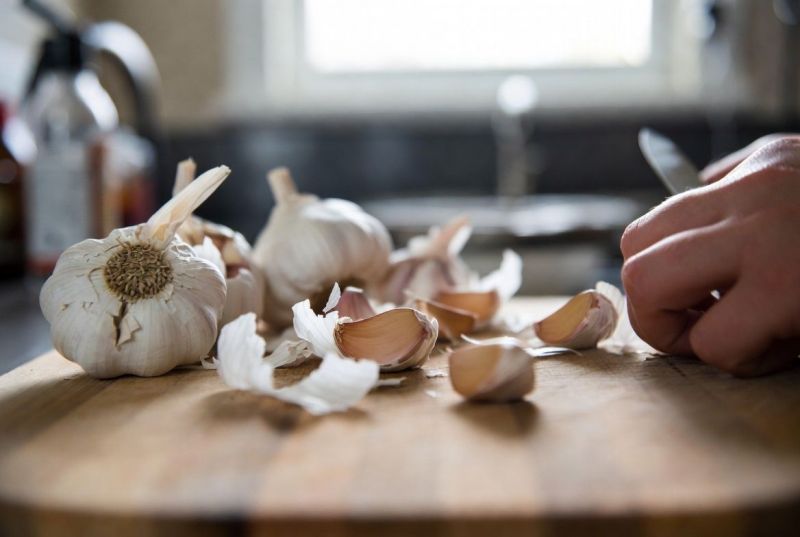
To get the most from garlic, focus on proper preparation. Crushing or mincing activates beneficial compounds—let it sit for 10 minutes before cooking or eating to allow allicin formation.
Actionable Tips for Incorporating Garlic:
- Raw Method: Crush 1-2 fresh cloves, let rest 10 minutes, then swallow with honey or mix into dressings. Start small to assess tolerance.
- Cooking Smart: Add crushed garlic toward the end of cooking to preserve more compounds. Great in stir-fries, soups, or roasted vegetables.
- Infused Oils or Honey: Combine minced garlic with olive oil or honey for versatile use in salads or teas (store safely in the fridge).
- Supplements: Aged garlic extract (AGE) is a popular option for those sensitive to raw garlic’s odor or digestive effects. Look for standardized products.
Simple Recipe Ideas:
- Immune-Friendly Salad Dressing: Mix crushed garlic, olive oil, lemon juice, and herbs.
- Garlic Roasted Veggies: Toss vegetables with minced garlic and bake.
- Morning Boost Shot: Crushed garlic + lemon + warm water (dilute if needed).
Consistency matters more than large amounts—aim for 1-2 cloves daily as part of meals.
Potential Considerations and Best Practices
While garlic is generally safe for most, some may experience digestive upset or heartburn, especially with raw forms. Those on blood-thinning medications should consult a healthcare provider due to possible interactions.
Comparison: Fresh vs. Aged Garlic
- Fresh: Higher allicin potential, stronger flavor and aroma.
- Aged: Milder taste, potentially higher in certain antioxidants like S-allyl cysteine.
- Cooked: Gentler on the stomach but may have reduced active compounds.
Choose based on your preferences and needs.
More Ways Garlic Fits Into a Healthy Lifestyle
Beyond direct use, garlic pairs well with other supportive foods like ginger, turmeric, or citrus for flavorful meals. Its prebiotic-like fibers may also nourish gut bacteria, indirectly supporting immunity.
Creative Uses:
- Add to homemade broths for flavor depth.
- Blend into hummus or dips.
- Use garlic powder (in moderation) for convenience when fresh isn’t available.
Experimenting in the kitchen can make healthy habits enjoyable and sustainable.
Why Garlic Continues to Spark Curiosity
From ancient traditions to modern labs, garlic remains a subject of fascination. Its versatility in cooking and potential supportive roles make it a staple worth appreciating. Whether you’re exploring new recipes or fine-tuning wellness routines, small daily choices add up.
The real value often lies in how it enhances overall patterns—like pairing it with plenty of sleep, movement, and varied nutrition.
Conclusion: Embracing Garlic Thoughtfully
Garlic offers an approachable way to add flavor and interesting compounds to your diet. By understanding its science and using it wisely, you can make it a reliable part of everyday meals. Remember, it’s one piece of a bigger picture for feeling your best.
FAQ
1. How much garlic should I eat daily for potential benefits?
Many sources suggest 1-2 fresh cloves or equivalent in supplements. Adjust based on tolerance and consult a professional for personalized advice.
2. Does cooking garlic reduce its properties?
Yes, heat can diminish allicin, so adding it late in cooking or consuming raw (prepared properly) helps preserve more. Aged extracts offer an alternative.
3. Can garlic replace medications or antibiotics?
No. Garlic is a food with supportive properties in research, but it should complement, not replace, professional medical care. Always follow healthcare guidance for infections or conditions.
Disclaimer: This article is for informational purposes only and does not constitute medical advice. The information provided is based on general research and should not be used to diagnose, treat, or prevent any health condition. Consult with a qualified healthcare provider before making significant dietary changes, especially if you have existing medical conditions, are pregnant, or take medications. Individual results may vary.