Ginger is one of the most popular natural ingredients praised for its warming flavor and potential wellness support in everything from teas to smoothies. Many people reach for it daily, assuming it’s always a healthy choice. But the truth is, while ginger offers benefits for most, there are specific situations where it’s wiser to limit or avoid it altogether. This can make a real difference in how you feel and help you make more informed everyday choices about what you put in your body.

In this guide, we’ll explore the key situations where extra care is needed, backed by what studies and health experts generally note. You’ll also find practical tips for safe enjoyment and answers to common questions. Stick around to the end for a surprising way many people safely incorporate ginger without worry.
Why Ginger Is Generally Loved — And Why Caution Matters
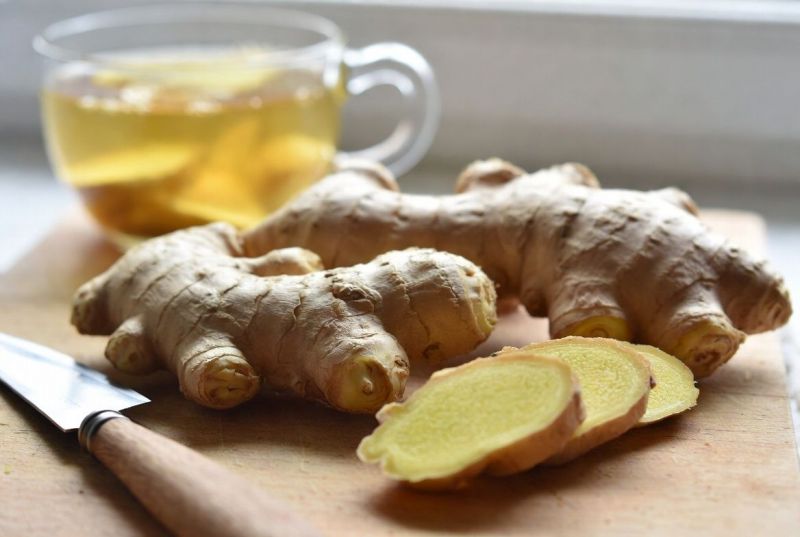
Ginger root has been used for centuries in traditional practices around the world. Its active compounds, like gingerols, contribute to its spicy kick and are often studied for supporting digestion and comfort during occasional nausea. Research suggests it can be a helpful addition to a balanced diet for many adults when used in moderate amounts, typically up to 4 grams per day.
However, like many potent natural ingredients, ginger affects the body in ways that aren’t ideal for everyone. Its properties can interact with certain body systems or medications. Understanding these nuances helps you enjoy its flavor responsibly without unintended effects. But that’s not the full picture — here’s where things get interesting.
Condition 1: Bleeding Disorders or Blood-Thinning Medications
One of the most discussed considerations involves how ginger may influence blood clotting. Ginger has natural properties that can mildly slow clotting in some cases. For individuals with bleeding disorders or those taking medications like warfarin, aspirin, or other anticoagulants, this can potentially increase the risk of easier bruising or bleeding.
What this means in daily life:
- If you have a known bleeding condition, it’s smart to discuss ginger use with your healthcare provider.
- High amounts, especially in supplement form, warrant extra attention.
Many people safely enjoy small amounts in cooking or tea, but moderation is key. This awareness helps prevent unnecessary concerns while still allowing flavorful meals.
Condition 2: Gallbladder Issues or Gallstones
Ginger can stimulate bile production, which supports digestion for most people but may create discomfort for those with gallbladder concerns. Individuals with gallstones or other gallbladder conditions are often advised to be cautious, as increased bile flow might aggravate symptoms like pain or digestive upset.
Here’s a quick comparison:
- Healthy digestion: Ginger often promotes gentle movement and comfort.
- Gallbladder concerns: May increase bile activity, potentially leading to discomfort.
If you’ve been diagnosed with gallbladder-related issues, opting for smaller amounts or skipping concentrated forms is a practical step many take after consulting their doctor.
Condition 3: Certain Heart Conditions or Blood Pressure Management
High doses of ginger may influence blood pressure and heart rhythm in some individuals. For people managing heart conditions or taking blood pressure medications, this could lead to effects like lowered pressure that might not align well with their current treatment plan.
Studies note that while moderate culinary use is often fine, concentrated supplements require more thought. This is especially relevant if you monitor your blood pressure closely or have specific cardiovascular considerations.
Bucket brigade: But here’s where it gets even more nuanced…
Condition 4: Diabetes and Blood Sugar Management
Ginger may support healthy blood sugar responses in some contexts, but it can also lower blood sugar levels. For those on diabetes medications or insulin, this could result in levels dropping too low (hypoglycemia) if not monitored.
Practical advice from health resources includes checking with a healthcare professional before increasing intake, especially if you use medications that affect glucose.
Other groups sometimes advised to use caution include those approaching surgery (due to clotting effects — typically stop 2 weeks prior) and pregnant individuals, particularly with higher doses near term. Always prioritize professional medical guidance tailored to your situation.
How to Enjoy Ginger Safely: Actionable Tips
You don’t have to give up ginger entirely if you fall into one of these categories. Many people make small adjustments and continue to benefit from its taste. Here are simple, step-by-step tips:
- Start small — Begin with 1 gram or less per day (about a teaspoon of fresh grated ginger) and observe how your body responds.
- Choose forms wisely — Fresh ginger in cooking or mild tea is often gentler than high-dose supplements.
- Time it right — If you have concerns around surgery or medications, space out use as recommended by your doctor.
- Pair with balance — Combine with other ingredients like lemon or honey in teas for flavor without overdoing quantity.
- Track and consult — Keep a simple food journal and discuss with your healthcare provider for personalized advice.
These steps empower you to make choices that fit your lifestyle while minimizing risks.
More Ways Ginger Fits Into a Balanced Routine
For those without the above considerations, ginger continues to shine in daily wellness. It adds zest to stir-fries, soups, baked goods, and soothing drinks. Many appreciate its role in supporting occasional digestive comfort and its antioxidant properties noted in various studies.
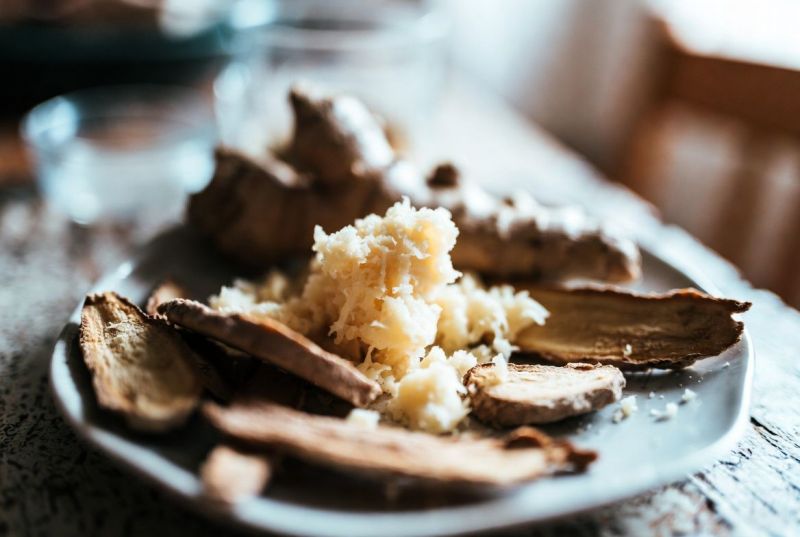
Pro tip: Grating fresh ginger into warm water with a slice of lemon creates an easy morning ritual that feels both refreshing and intentional.
Common Questions About Ginger Use (FAQ)
1. Can I drink ginger tea every day?
For most healthy adults, moderate amounts like 1–2 cups of mild ginger tea are generally well-tolerated. Those with the conditions mentioned above should check with their doctor first.
2. Is ginger safe during pregnancy?
Small amounts for occasional nausea are often considered acceptable by many experts, but higher doses, especially later in pregnancy, warrant caution due to potential effects. Professional medical advice is essential.
3. What’s the difference between fresh ginger and supplements?
Fresh ginger in food tends to be milder, while supplements deliver concentrated amounts that may amplify effects — and interactions. Start with culinary use if you’re exploring.
Final Thoughts
Ginger remains a beloved kitchen staple for good reason, offering warmth and flavor that many enjoy daily. By being mindful of the four key situations — bleeding concerns, gallbladder issues, heart or blood pressure management, and diabetes — you can make choices that support your overall well-being. The goal is balance: enjoy its benefits where it fits, and prioritize safety through informed decisions and professional guidance.
Remember, this information is for educational purposes and not a substitute for personalized medical advice. Always consult your healthcare provider before making significant changes to your diet or supplement routine, especially if you have existing health conditions or take medications.
Disclaimer: The content in this article is intended for informational purposes only and does not constitute medical advice. Please speak with a qualified healthcare professional for advice specific to your health needs.