Many people notice occasional digestive discomfort, sluggish feelings after meals, or changes in regularity as the years go by. These everyday experiences can affect energy levels, mood, and overall well-being, leaving you wondering what simple adjustments could make a difference. The good news is that common kitchen staples like onions paired with adequate fiber offer accessible ways to nourish your digestive system. But there is one particular approach involving onions and fiber that stands out for its potential to support colon health in a natural, everyday manner.

Understanding the Role of Fiber in Colon Health
Dietary fiber plays a foundational part in how your digestive system functions. It adds bulk to stool, helping food move smoothly through the intestines. Research suggests that consistent fiber intake supports regularity and contributes to a comfortable digestive experience.
But that is not the whole story. Not all fiber works the same way. Soluble and insoluble fibers each bring unique benefits, and onions happen to contain a special type that goes beyond basic bulk.
Onions provide both fiber and prebiotic compounds known as fructans. These fructans act as food for beneficial bacteria in the gut, potentially helping maintain balance in the microbiome. Studies indicate that prebiotics like those found in onions may encourage the production of short-chain fatty acids (SCFAs), such as butyrate, which research links to supporting the lining of the colon.
The Unique Benefits Onions Bring to Digestive Wellness
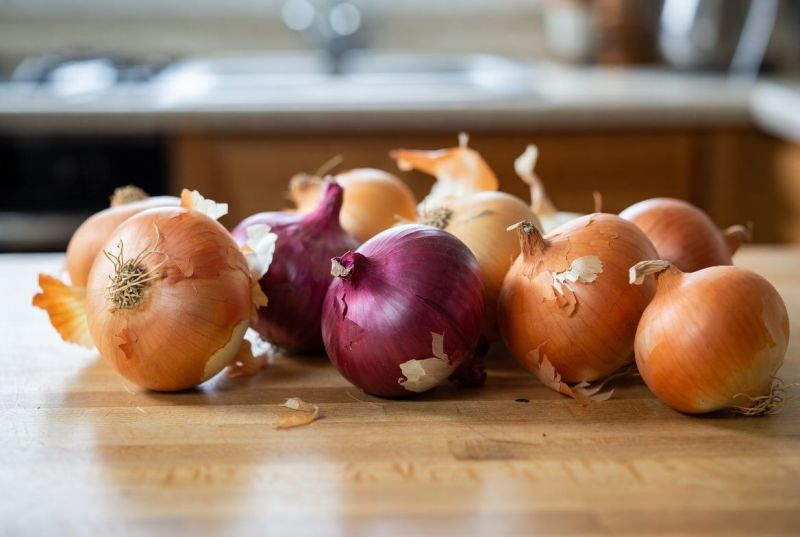
Onions belong to the allium family and have been part of traditional diets for centuries. They are low in calories yet deliver vitamin C, antioxidants like quercetin, and that valuable fiber content. A medium onion offers roughly 1.7 to 2 grams of fiber, making it an easy addition to meals.
Here is what makes onions particularly interesting for colon support:
- Prebiotic Power: Onions rank among the top natural sources of prebiotic fibers. These compounds reach the colon largely undigested, where they nourish good bacteria.
- Antioxidant Support: Quercetin and other compounds in onions may help combat oxidative stress, though more human studies continue to explore the full picture.
- Versatility: Whether raw, cooked, or pickled, onions retain useful properties, though cooking can make them gentler for sensitive stomachs.
This is where it gets especially practical. Incorporating onions regularly does not require major lifestyle overhauls. Small, consistent habits often yield the best results over time.
How to Combine Onions and Fiber for Everyday Support
Building a colon-friendly plate starts with understanding how different foods work together. Here are some actionable ideas to increase both onions and overall fiber intake:
- Start Your Day Strong – Add sautéed onions to scrambled eggs or omelets along with spinach and whole-grain toast. This combination delivers fiber from vegetables and grains.
- Lunchtime Boost – Layer red onions in salads or sandwiches. Pair with beans, chickpeas, or quinoa for an extra fiber punch.
- Dinner Made Simple – Include onions in stir-fries, soups, or roasted vegetable medleys. Serve alongside high-fiber sides like brown rice or lentils.
- Snack Smart – Try pickled onions (like those shown in many home kitchens) on whole-grain crackers or mixed into yogurt with berries.
Sự thật là variety matters. Different types of onions — red, yellow, white, or shallots — offer slightly varying nutrient profiles, so rotating them keeps things interesting and nutritious.
Simple Weekly Meal Ideas
- Breakfast Bowl: Oatmeal topped with sautéed onions, apples, and a sprinkle of chia seeds.
- Midday Salad: Mixed greens, chickpeas, cherry tomatoes, cucumber, and plenty of sliced red onions with olive oil dressing.
- Evening Stir-Fry: Broccoli, carrots, bell peppers, and generous onions served over barley or farro.
- Side Dish: Roasted onions and root vegetables with herbs and a side of black beans.
These meals help you approach the recommended daily fiber intake of 25–35 grams for most adults through whole foods.
Picking and Preparing Onions to Maximize Benefits
Choose firm onions with dry, papery skins. Store them in a cool, dry place away from potatoes to prevent sprouting. Red onions often provide more antioxidants, while yellow onions offer robust flavor for cooking.
Here is a quick guide to preparation methods:
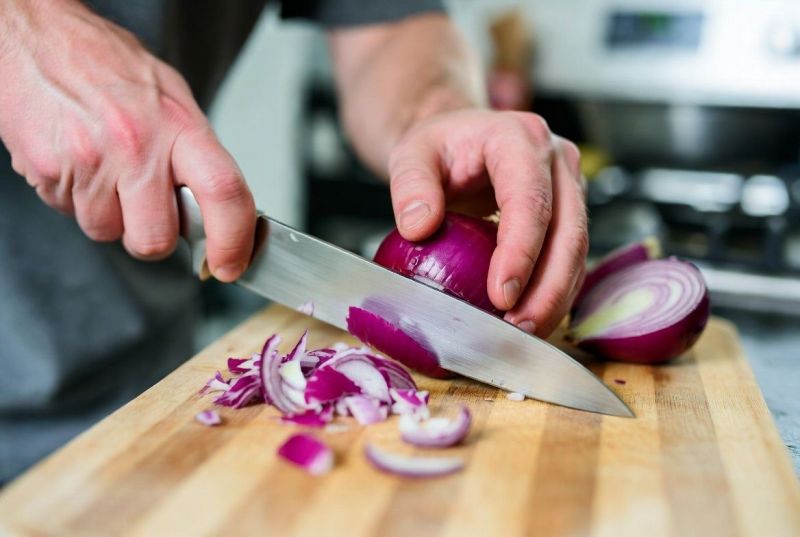
- Raw: Highest prebiotic content but can be strong — start small or soak in cold water for milder taste.
- Sautéed: Softer on digestion while still delivering fiber and flavor.
- Roasted: Brings out natural sweetness and pairs beautifully with other vegetables.
- Pickled: A convenient way to keep onions on hand. The image many people associate with home kitchens shows beautiful jars of pickled red onions — easy to make and versatile for topping meals.
When increasing fiber, do it gradually and drink plenty of water. This helps your body adjust comfortably.
Lifestyle Habits That Complement Onions and Fiber
Diet is only one piece of the puzzle. Regular physical activity, staying hydrated, and managing stress all contribute to colon wellness. Even a daily 30-minute walk can support healthy digestion.
Nhưng đó chưa phải là tất cả. Getting enough sleep and maintaining a consistent routine further enhance how your body processes the nutrients from onions and fiber-rich foods.
Common Challenges and How to Overcome Them
Some people experience temporary bloating when first increasing fiber or eating more onions. This usually settles as the gut microbiome adapts. Start with smaller portions of cooked onions and build up.
If you have specific digestive sensitivities, consult a healthcare professional for personalized guidance. Everyone’s body responds differently.
Why Consistency Matters More Than Perfection
The benefits of onions and fiber accumulate over weeks and months rather than appearing overnight. Research on prebiotic foods shows that regular consumption supports a thriving gut environment.
Many people who adopt these habits report feeling lighter, more regular, and more energetic. The simple pleasure of preparing and enjoying flavorful meals with onions adds enjoyment to the process.

Conclusion
Incorporating onions and a variety of fiber sources into your daily meals offers a practical, approachable way to support colon health. From the prebiotic effects that nourish beneficial bacteria to the overall digestive regularity that fiber promotes, these everyday ingredients deserve a regular spot in your kitchen. Small changes, repeated consistently, can make a meaningful difference in how you feel day to day.
Start experimenting with the ideas above and notice how your body responds. Your digestive system will thank you for the attention.
FAQ
1. How many onions should I eat daily for digestive support?
There is no strict number, but including half to one medium onion most days, combined with other fiber sources, is a reasonable target for many people. Listen to your body and adjust as needed.
2. Are raw onions better than cooked for colon health?
Raw onions tend to retain more prebiotic compounds, but cooked onions are often easier to digest and still provide valuable fiber and nutrients. A mix of both works well.
3. Can I get similar benefits from supplements instead of food?
Whole foods like onions offer a broad spectrum of nutrients and fiber that supplements may not fully replicate. Focus on dietary sources first, and speak with a healthcare provider before adding supplements.
Disclaimer: This article is for informational purposes only and is not intended to diagnose, treat, cure, or prevent any disease. Always consult with a qualified healthcare professional before making significant changes to your diet or lifestyle, especially if you have existing health conditions or concerns. Individual results may vary.