Many adults over 50 notice subtle changes in their energy levels, occasional fatigue, or discomfort that seems to come with age. These feelings can create worry, especially when they linger and affect daily routines or peace of mind. What if something as simple as paying attention to everyday nutrition could make a meaningful difference in how the body feels?
Research highlights zinc as one mineral that deserves more attention in midlife and beyond. In the sections ahead, you will discover practical ways to explore this nutrient through food choices and habits that fit naturally into a busy lifestyle.
Understanding Zinc and Its Connection to Overall Wellness After 50
Zinc is an essential mineral that the body cannot store in large amounts, so consistent intake becomes important as we age. Studies suggest that zinc levels may decline with time due to changes in diet, absorption, or certain medications commonly used by older adults.
This mineral supports many everyday body processes. Research shared by health organizations indicates that adequate zinc contributes to normal immune function and helps maintain healthy cells. For heart concerns that often appear after 50, some observational studies have explored possible links between zinc status and cardiovascular markers, though more research continues.
The good news is that exploring zinc does not require complicated changes. Small, consistent habits can help many people feel more balanced and supported in their daily lives.
Common Signs That May Relate to Zinc Levels in Older Adults
Paying attention to your body’s signals can be empowering. Here are some experiences that adults over 50 sometimes report:
- Feeling more tired than usual, even after rest
- Slower wound healing or minor skin changes
- Changes in taste or appetite
- Occasional mood fluctuations or difficulty focusing
These signs are common for many reasons and do not point to any single cause. However, some research has looked at how zinc status might relate to general vitality and comfort in aging populations. One review noted that maintaining healthy zinc levels may support overall resilience.
Here is a quick comparison of daily experiences:
| Sign | Possible Everyday Impact | Simple Observation Tip |
|---|---|---|
| Low energy | Less motivation for walks or hobbies | Track how you feel after balanced meals |
| Slow recovery | Minor cuts take longer to feel better | Note changes after nutrient-rich eating |
| Weakened immunity | More frequent seasonal discomfort | Observe patterns over several weeks |
Recognizing these patterns early allows for gentle adjustments rather than waiting for stronger signals.
Why Zinc Matters for Heart Comfort in Midlife
The heart works tirelessly every day, and supporting it naturally becomes a priority after 50. Some laboratory and population studies have examined zinc’s role in antioxidant activity and how it may help protect cells from everyday oxidative stress.
One interesting finding from research is that zinc appears to interact with other nutrients like magnesium and vitamin D, which many older adults already monitor. While no single nutrient is a magic solution, consistent zinc intake through food is part of a broader pattern linked with better heart health markers in various studies.
Sự thật là many people discover that focusing on whole foods brings multiple benefits at once, including better energy and a greater sense of control over their well-being.
Top Zinc-Rich Foods That Fit an Everyday Routine
Incorporating zinc does not mean buying expensive supplements right away. Many common foods provide good amounts naturally.
Here are practical food sources to consider adding:
- Pumpkin seeds and sunflower seeds – easy to sprinkle on salads or yogurt
- Chickpeas and lentils – great in soups or as a side dish
- Lean meats like chicken or beef in moderate portions
- Oysters and shellfish (occasional treat for higher zinc content)
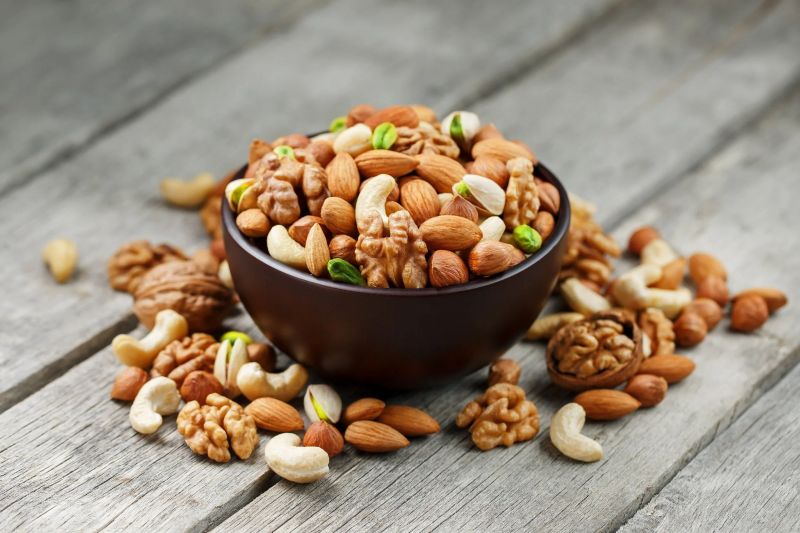
- Cashews, almonds, and other nuts
- Whole grains such as oats or quinoa
- Dairy products like cheese and yogurt
- Eggs
Actionable tip: Try adding a handful of mixed seeds to your breakfast or snack. Many readers report that this small change feels simple and sustainable.
How to Support Better Absorption of Zinc After 50
Even with good food choices, absorption can vary. Here are gentle strategies that research suggests may help:
- Pair zinc-rich foods with protein sources during meals.
- Limit excessive fiber or phytate-rich foods at the same meal if you notice absorption issues (soaking or sprouting grains and legumes can help reduce phytates).
- Maintain good levels of other supportive nutrients like vitamin C from fruits and vegetables.
- Talk with your healthcare provider about any medications that might affect mineral levels.
Nhưng đó chưa phải là tất cả. Lifestyle habits also play a supporting role. Regular light movement, staying hydrated, and managing stress through simple breathing exercises or walks can complement nutritional efforts.
Practical Daily Habits for Heart-Friendly Nutrition
Building a routine does not need to be overwhelming. Start small with these ideas:
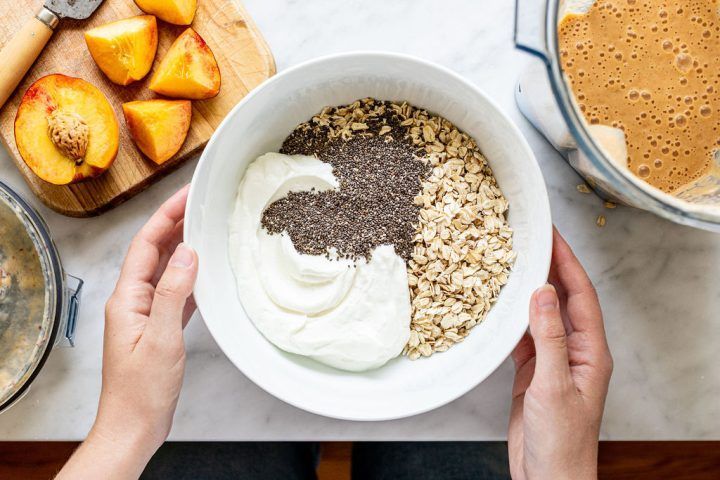
- Begin the day with oatmeal topped with pumpkin seeds and a piece of fruit.
- Include a protein-rich lunch with beans or lean meat and plenty of vegetables.
- Enjoy a handful of nuts as an afternoon snack.
- Experiment with zinc-supporting recipes like chickpea salads or simple stir-fries.
Many people find that tracking how they feel after a week or two of these habits provides motivation to continue. Studies on dietary patterns in older adults often highlight the cumulative benefits of consistent, balanced eating.
Exploring Zinc Through Recipes and Meal Ideas
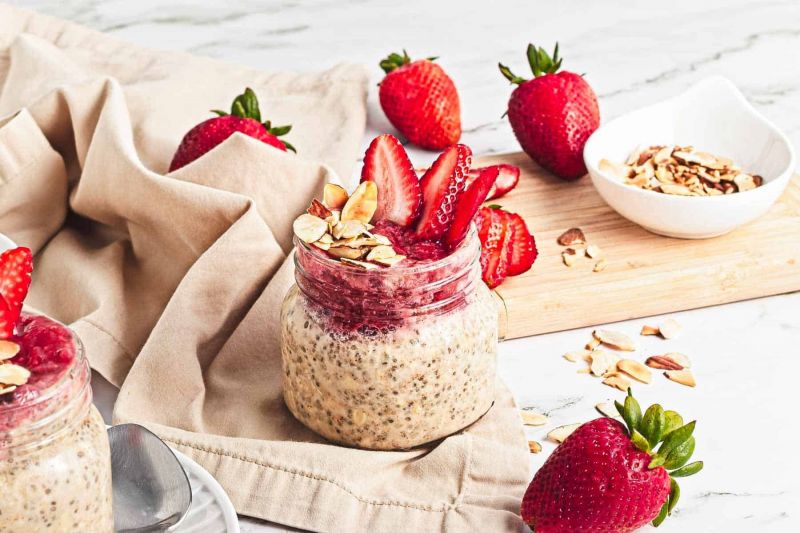
Easy breakfast idea: Overnight oats with chia seeds, pumpkin seeds, and berries. This combination offers zinc along with fiber and antioxidants.
Lunch option: Grilled chicken salad with chickpeas, leafy greens, and a light dressing. Add a squeeze of lemon for vitamin C to potentially aid absorption.
Snack suggestion: A small serving of Greek yogurt with a sprinkle of cashews.
Dinner approach: Baked fish or lean meat with quinoa and steamed vegetables. Variety keeps meals enjoyable while supporting nutrient goals.
These recipes use everyday ingredients and require minimal preparation time, making them realistic for busy seniors or caregivers.
Lifestyle Factors That Work Alongside Zinc Intake
Nutrition is only one piece of the puzzle. Quality sleep, staying active with activities you enjoy, and maintaining social connections all contribute to heart comfort. Some research points to the combined effect of good nutrition and movement on overall vitality.
Consider gentle activities like walking in nature, gardening, or chair exercises. These not only support circulation but also improve mood and appetite for nutrient-dense foods.
What the Research Suggests About Zinc and Aging
Population studies and reviews (including data from sources like the National Institutes of Health) indicate that zinc deficiency is more common in older adults. Maintaining adequate levels through diet is generally associated with better immune response and cellular health.
While direct cause-and-effect claims require more research, the overall pattern supports focusing on nutrient-rich eating as part of a heart-friendly lifestyle.
Đây là phần thú vị nhất: Small, consistent changes often lead to noticeable improvements in how people feel day to day. Many report better energy, improved recovery, and a greater sense of well-being.
Common Questions About Zinc and Heart Wellness After 50
1. Can I get enough zinc from food alone?
Yes, for most people a varied diet with seeds, nuts, legumes, and proteins provides sufficient zinc. Supplements should only be considered after consulting a healthcare professional.
2. Are there any foods that might reduce zinc absorption?
High amounts of certain fibers or phytates in grains and legumes can bind zinc. Soaking, sprouting, or fermenting these foods, along with balancing meals, can help.
3. How do I know if I should check my zinc levels?
If you experience ongoing fatigue or other concerns, discuss them with your doctor. A simple blood test can provide helpful information.
Final Thoughts
Supporting heart health after 50 involves many small, thoughtful choices. Paying attention to zinc through everyday foods offers one accessible way to nurture your body. By combining nutrient awareness with gentle movement and consistent habits, many adults discover renewed comfort and vitality.
Start with one or two changes this week and observe how you feel. Your body often responds positively to steady, caring attention.
Disclaimer: This article is for informational purposes only and is not intended to diagnose, treat, cure, or prevent any disease. Always consult with a qualified healthcare professional before making significant changes to your diet or supplement routine, especially if you have existing health conditions or take medications.
(Word count: approximately 1780)