You catch your reflection under the bathroom light, lift a section of hair near the crown, and suddenly the part looks wider than it did last year. It feels embarrassing, especially when family photos, windy walks, or bright shop mirrors make your hair look flatter than you expected. Coconut oil may help make hair care feel more manageable, but the small detail most people miss is not the oil itself, it is how, where, and how often they use it.
Why Hair Often Feels Different After 50
Hair after 50 is not the same hair you had at 25. That does not mean something is “wrong” with you. It means your scalp, hormones, hair fiber, medications, nutrition, and daily grooming habits may all be changing at the same time.
Sự thật là, many older adults blame the shampoo first. But the real story is usually more layered.
Aging can affect the hair growth cycle. Some people notice slower growth, more visible scalp, drier ends, or hair that breaks before it reaches the length they want. Research on age related hair changes describes a pattern where thinning can become more widespread across the scalp in later adulthood, not always in one dramatic bald spot.
The Mayo Clinic also notes that hereditary hair loss commonly appears gradually with aging, often as a receding hairline, bald spots, or thinning around the crown, depending on the person.
But here is the important part.
Not every thin looking area is true hair loss. Sometimes hair only looks thinner because the strands are dry, rough, frizzy, or breaking. This is where coconut oil may have a practical place. It cannot change your genetics. It cannot make inactive follicles suddenly behave like teenage hair. But it may help some hair types look smoother, less frayed, and easier to style.
Think of it this way: coconut oil is not a miracle for the root. It is more like a protective habit for the strand.
What Coconut Oil Can Actually Do For Hair
Coconut oil is popular because it feels familiar. Many families used it for cooking, skin, scalp massage, or dry ends long before “clean beauty” became a trend.
But popularity is not proof.
The most useful evidence for coconut oil and hair is about reducing protein loss from the hair fiber. One often cited study compared coconut oil, sunflower oil, and mineral oil. Coconut oil stood out because it reduced protein loss in both undamaged and damaged hair when used before or after washing. The researchers suggested this may relate to coconut oil’s structure and ability to enter the hair shaft better than some other oils.
that does not mean coconut oil “grows thick hair.” It means coconut oil may help reduce some wash related and grooming related damage in certain hair types.
Coconut oil may be most useful when hair feels:
- Dry at the ends
- Rough after washing
- Frizzy in damp weather
- Prone to breakage
- Hard to comb after shampoo
- Dull from heat styling or frequent coloring
But please do not ignore the other side.
If your hair is falling out in clumps, your part is rapidly widening, your scalp is itchy or painful, or you see round patches, coconut oil is not the answer on its own. The American Academy of Dermatology says finding the cause is important, and a board certified dermatologist can help determine whether hair loss is female pattern hair loss or another condition that looks similar.
The Best Coconut Oil Habit After 50
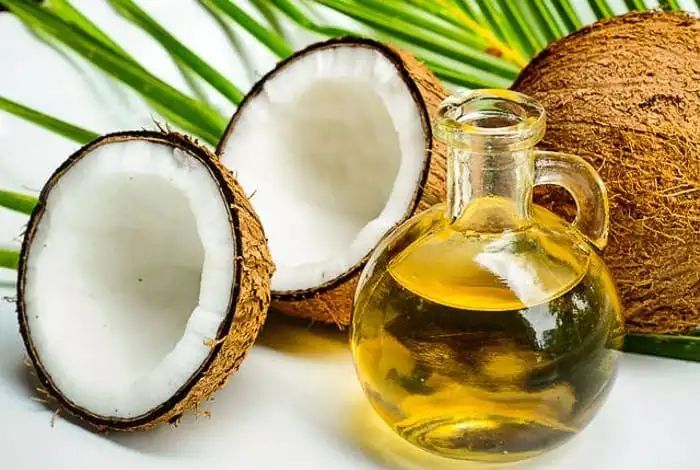
The safest place to start is not with a greasy overnight scalp treatment. It is with a small, controlled pre wash routine.
A pre wash routine means applying coconut oil before shampooing, letting it sit briefly, then washing it out. This gives the oil time to coat and condition the strands without leaving your pillow, scalp, and hairline overloaded.
Start small. Older hair often needs gentleness more than intensity.
Try this once a week:
- Warm a pea sized to teaspoon sized amount of coconut oil between your palms.
- Apply it from the mid lengths to the ends.
- Avoid the scalp if your scalp gets oily, itchy, or flaky.
- Leave it on for 20 to 30 minutes.
- Shampoo gently, focusing on the scalp.
- Use conditioner on the ends.
- Pat dry with a towel instead of rubbing.
Nhưng đó chưa phải là tất cả.
The amount matters more than the brand. If your hair is fine, start with less than you think you need. If your hair is thick, curly, coarse, or very dry, you may tolerate a little more.
Coconut oil is rich and heavy. Too much can make older hair look flatter, not fuller. That is the mistake that makes many people quit after one try.
For many adults over 50, the goal is not “oilier hair.” The goal is hair that bends instead of snaps, shines instead of frizzes, and styles with less pulling.
Where Not To Put Coconut Oil
A spoonful in the wrong place can turn a helpful habit into a frustrating one.
If your hair already looks thin at the crown, coating the scalp heavily with oil may make the scalp more visible. Wet or greasy roots separate into sections. That can make the part look wider, even when you have not lost more hair.
Here is the rule I would give a family member: protect the fragile ends first, then decide whether the scalp needs anything at all.
Avoid heavy coconut oil on the scalp if you have:
- Fine hair that collapses easily
- An oily scalp
- Dandruff like flakes
- Scalp acne or bumps
- Itching after hair products
- A history of seborrheic dermatitis
- Very thin areas where oil makes the scalp shine
If you still want to try it near the scalp, test a tiny amount on a small area first. Wait 24 to 48 hours. If itching, redness, bumps, or burning appear, stop using it.
This is not being dramatic. It is being sensible.
Hair care after 50 should feel calm, not like a punishment. If a product makes your scalp angry, your scalp has already voted no.
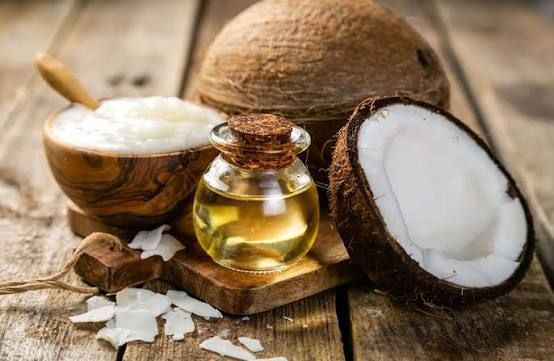
The Coconut Oil Mistakes That Make Hair Look Older
Coconut oil is simple, but people often use it in extreme ways. That is where the trouble begins.
Mistake one is using it every day. Daily oiling can create buildup, attract dust, weigh down roots, and make hair look limp. Most people do better with once a week or even twice a month.
Mistake two is sleeping with too much oil. A light overnight treatment may suit some thick, coarse hair types, but for many adults it leaves residue on the scalp and pillow. It can also be hard to wash out.
Mistake three is using coconut oil instead of conditioner. Oil and conditioner are not the same thing. Conditioner helps with slip, combing, and manageability after shampoo. Coconut oil may be better as a before wash step for many people.
Mistake four is rubbing oil into the scalp aggressively. Massage can feel good, but rough rubbing can break fragile strands. Use fingertips gently. Never scratch with nails.
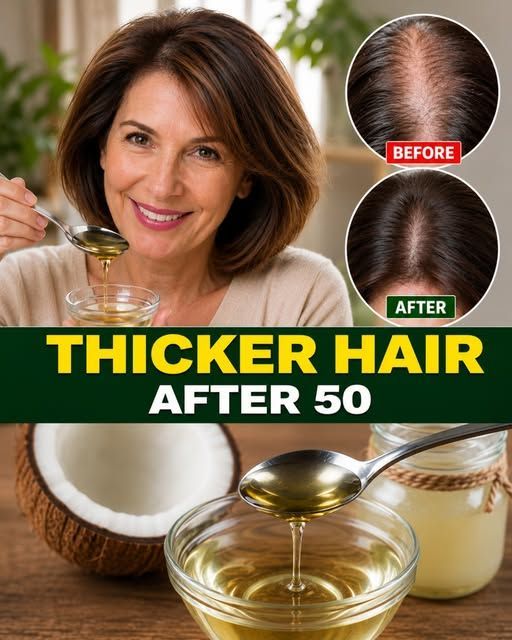
Mistake five is believing viral before and after photos. Lighting, hair fibers, styling powder, root spray, extensions, and camera angles can all make hair look instantly fuller. A healthy routine works gradually and modestly.
Mistake six is ignoring diet, medication changes, illness, or stress. Hair is part of the body. When the body is under strain, the hair often shows it later.
The Mayo Clinic notes that doctors may ask about diet, hair care routine, medical history, and family history when evaluating hair loss. Testing may also be considered depending on the situation.
So yes, coconut oil may have a place.
But it should not become a blindfold.
A Smarter Hair Routine For Fuller Looking Hair

Coconut oil works best when it is part of a gentle routine, not a rescue mission.
Here is a practical routine for older adults in Europe and North America, especially where cold weather, indoor heating, hard water, and frequent coloring can leave hair dry.
H3: Wash Less Harshly
Use a mild shampoo. Focus it on the scalp, not the ends. The shampoo will rinse through the lengths as you wash.
Hot water feels comforting, but it can make hair feel rougher. Use warm water instead. Finish with cooler water if you like the feeling, but do not force it.
H3: Condition Every Wash
Conditioner is not laziness. It is protection.
Apply conditioner from mid length to ends. Let it sit for a few minutes. Use a wide tooth comb in the shower if your hair tangles easily.
H3: Dry With Patience
Wet hair is vulnerable. Rubbing hard with a towel can rough up the outer layer of the strand.
Use a soft towel or cotton T shirt. Squeeze gently. Let hair air dry halfway before using heat, if possible.
H3: Protect The Part Line
The crown and part line are where many people first notice thinning. Do not burn this area with daily high heat.
If you use a dryer, keep it moving. Use lower heat. Avoid pulling hair tightly with a round brush every morning.
H3: Use Coconut Oil Strategically
Use coconut oil before shampoo on the dry lengths and ends. Do not treat it like a styling gel unless your hair type truly likes that.
For daytime shine, a tiny amount on the very ends may be enough. Tiny means touch the oil, rub hands together, then lightly skim the ends.
The real goal is not slippery hair. The goal is less friction.
Food, Supplements, And The Spoonful Trap
image_group:
query: “healthy breakfast for older adult eggs berries yogurt nuts hair wellness”
num_per_query: 1
The image of a spoon dripping coconut oil is powerful. It feels natural. It feels old fashioned. But for hair care, swallowing coconut oil is not the habit I would put first.
The American Heart Association recommends limiting saturated fat to less than 6 percent of daily calories, and coconut oil is a tropical oil high in saturated fat. The AHA has also discussed why coconut oil should not be treated as a heart health shortcut.
That does not mean you must fear coconut oil in every form. It means older adults should be careful with the “one spoon every morning” trend, especially if they are watching cholesterol, heart health, weight, or diabetes risk.
For hair, your plate should focus on steady nourishment:
- Protein from eggs, fish, poultry, beans, tofu, Greek yogurt, or lentils
- Iron rich foods such as lean meats, beans, spinach, and fortified cereals
- Zinc from seafood, pumpkin seeds, beans, or nuts
- Omega 3 rich foods such as salmon, sardines, trout, walnuts, or flaxseed
- Colorful vegetables for antioxidants
- Enough water through the day
But here is where people get fooled.
A supplement is not automatically safer than food. Biotin, collagen powders, and hair gummies are heavily marketed. They may help only in specific situations, and too much supplementation can complicate lab tests or interact with medical care.
If you suspect a deficiency, ask your healthcare professional about testing instead of guessing.
When Hair Thinning Needs Professional Attention
Coconut oil can support hair appearance. It should not delay care when your body is sending louder signals.
Make an appointment with a healthcare professional or dermatologist if you notice:
- Sudden shedding that fills the brush or shower drain
- Round bald patches
- Burning, pain, crusting, or bleeding on the scalp
- Rapid widening of the part
- Thinning after a new medication
- Hair loss after surgery, severe illness, high fever, or major stress
- Unexplained fatigue, weight changes, or cold sensitivity
- Hair breakage with scalp inflammation
- Eyebrow or body hair changes
The American Academy of Dermatology emphasizes that effective hair loss care starts with finding the cause, because different causes can look similar at home.
Do not feel embarrassed. Dermatologists see this every week. Hair changes are personal, but they are not shameful.
And please hear this clearly: waiting six months while trying every oil on the internet can waste precious time if the issue is inflammatory, hormonal, nutritional, or medication related.
Coconut oil belongs in the bathroom cabinet.
It does not replace a proper checkup.
A Simple Seven Day Coconut Oil Plan
This plan is designed for cautious beginners. It is gentle, realistic, and easy to stop if your hair dislikes it.
H3: Day 1
Look at your hair in normal light. Notice where it feels dry, where it looks flat, and whether your scalp feels oily or irritated. Do not judge yourself. Just observe.
H3: Day 2
Before washing, apply a small amount of coconut oil to the ends only. Leave it for 20 minutes. Shampoo the scalp gently and condition the ends.
H3: Day 3
Do nothing extra. Let your hair rest. Notice whether it feels softer, heavier, flatter, or easier to comb.
H3: Day 4
Avoid heat styling if possible. If you must use heat, lower the temperature and avoid pulling hard at the roots.
H3: Day 5
Use conditioner carefully. Comb gently from the ends upward. Do not yank through knots.
H3: Day 6
Check your scalp. If it feels itchy, oily, or bumpy after coconut oil, use less next time or stop. If your ends feel smoother without greasy roots, the amount may be right.
H3: Day 7
Decide your schedule. Fine hair may need coconut oil only twice a month. Medium hair may do well once a week. Coarse, curly, or very dry hair may tolerate a little more, but buildup is still possible.
This is the part many people skip: take a photo in the same lighting once a month. Not every day. Daily checking creates anxiety. Monthly checking gives you a calmer view.
Conclusion: The Small Detail That Matters Most
Coconut oil for hair after 50 can be a useful habit when it is used with patience and restraint. It may help reduce protein loss from hair fibers and make some dry or fragile hair feel smoother, especially when used before washing.
But it is not a shortcut to new hair growth. It is not a cure for thinning. It is not a reason to ignore sudden shedding or scalp symptoms.
The small detail most people miss is placement. Coconut oil usually belongs on the mid lengths and ends first, not poured heavily onto the scalp. When you use it that way, it becomes a practical grooming tool instead of another disappointing internet promise.
Start small. Watch how your hair responds. Keep your routine gentle. And if the change feels sudden or worrying, speak to a professional sooner rather than later.
Your hair deserves care, not panic.
FAQ About Coconut Oil For Hair After 50
H3: Can coconut oil make hair grow thicker after 50?
Coconut oil has not been proven to make new hair grow thicker from the scalp. Its more realistic role is helping some hair strands feel smoother and less dry. It may reduce protein loss from the hair fiber, which can support a healthier looking appearance when used correctly.
H3: Should I put coconut oil on my scalp or only on my hair?
Most beginners should start with the mid lengths and ends. If your scalp is dry and calm, you may test a tiny amount, but avoid heavy scalp oiling if you have itching, flakes, bumps, oily roots, or very fine hair. If scalp symptoms continue, ask a dermatologist for guidance.
H3: How often should older adults use coconut oil on hair?
Once weekly is enough for many people. Fine hair may need it only every two weeks. Thick, coarse, curly, or very dry hair may tolerate weekly use better. If your hair looks greasy, flat, or coated, use less oil or use it less often.
H3: Is it better to leave coconut oil overnight?
Not always. Overnight oiling can be too heavy for fine or thinning looking hair. A 20 to 30 minute pre wash treatment is a safer first step. If your hair is thick or very dry and your scalp tolerates it, you can experiment carefully, but more time does not always mean better results.
H3: Should I eat coconut oil for hair growth?
Eating coconut oil is not necessary for a hair care routine. Coconut oil is high in saturated fat, and the American Heart Association recommends limiting saturated fat intake. For hair support, focus first on balanced meals with enough protein, iron, zinc, and overall nutrition.
H3: When should I stop using coconut oil?
Stop if you notice itching, redness, bumps, increased greasiness, scalp discomfort, or hair that feels stiff and coated. Also stop relying on coconut oil alone if shedding is sudden, patchy, painful, or rapidly worsening. In those cases, professional advice is the wiser step.
Disclaimer: This article is for general educational purposes only and does not replace advice from a licensed healthcare professional, dermatologist, or pharmacist.