Living with low energy, feeling heavy after meals, or worrying about your liver after years of enjoying rich foods can quietly chip away at your confidence. Many older adults brush these changes aside until they begin affecting everyday life and making simple activities feel harder than they used to. The good news is that small, realistic habits often matter more than dramatic health trends. Today, you’ll discover why a simple glass of grapefruit juice has attracted attention for liver wellness, what science actually says, and one important safety tip that many people overlook until the end of this guide.
Why Liver Health Deserves More Attention as We Age
As we grow older, our liver continues working around the clock. It helps process nutrients, supports digestion, stores vitamins, and removes natural waste products from the body.
Unlike many organs, the liver often keeps working quietly even when it is under extra strain.
That is why many people never think about liver wellness until routine blood work or a doctor’s visit raises questions.
Several everyday habits may gradually place additional demands on the liver.
These include
- Eating highly processed foods regularly
- Drinking more alcohol than recommended
- Carrying excess body weight
- Being physically inactive
- Taking multiple medications without regular review
- Poor sleep habits
But that is not the whole story.
The encouraging news is that healthy eating patterns, regular movement, maintaining a healthy weight, and choosing nutrient rich foods can all contribute to overall liver wellness.
Research consistently shows that overall dietary quality matters much more than relying on any single “superfood.”
What Makes Grapefruit Juice So Interesting?

Grapefruit is packed with nutrients that nutrition experts have studied for many years.
It naturally contains
- Vitamin C
- Potassium
- Folate
- Water for hydration
- Plant compounds called flavonoids
- Natural antioxidants
The compounds that receive the most scientific attention include naringin and naringenin.
These naturally occurring flavonoids may help protect cells from oxidative stress in laboratory and animal studies.
Oxidative stress simply refers to an imbalance between unstable molecules and the body’s natural defense systems.
However, this is the important distinction.
Laboratory findings do not automatically translate into the same effects in humans.
Current human research suggests grapefruit can certainly be part of a balanced diet, but there is not enough evidence to claim that grapefruit juice alone improves liver function or prevents liver disease.
That balanced perspective is important.
The Truth About Grapefruit Juice and Liver Wellness

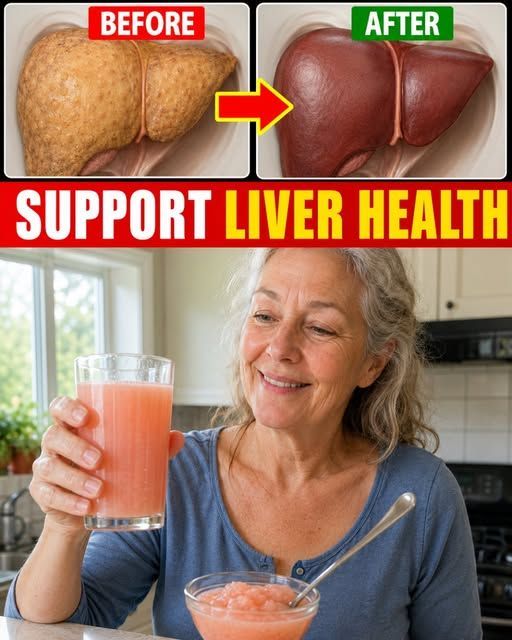
The internet is filled with dramatic before and after liver images.
Many suggest that grapefruit juice can completely “clean” or “repair” the liver.
Those claims are not supported by high quality scientific evidence.
Instead, research points toward something much more realistic.
A healthy dietary pattern may support normal liver function over time.
That includes
- Plenty of vegetables
- Whole fruits
- Whole grains
- Lean proteins
- Healthy fats
- Limited added sugars
- Moderate alcohol intake when appropriate
Grapefruit juice can fit into this pattern for many people.
But it should never replace medical advice, prescribed treatment, or regular health checkups.
Here is a simple comparison.
| Common Myth | Evidence Based Reality |
| | |
| Grapefruit juice cleans the liver overnight | No reliable evidence supports this |
| Drinking more is always better | Excess juice adds sugar and calories |
| One food fixes liver health | Overall lifestyle matters most |
| Everyone should drink grapefruit juice | Some medications interact with grapefruit |
This final point deserves special attention.
The Important Medication Warning Many Older Adults Miss
Here comes the part many people never hear about.
Grapefruit interacts with dozens of common prescription medications.
It can change how your body absorbs certain medicines.
Sometimes this increases medication levels.
Sometimes it decreases them.
Either situation may become problematic.
Common medication categories that may interact include
- Certain cholesterol lowering medicines
- Some blood pressure medications
- Selected heart rhythm medicines
- Certain anxiety medications
- Some immune suppressing drugs
This does not mean everyone should avoid grapefruit.
It simply means you should ask your pharmacist or healthcare provider whether grapefruit is appropriate for your specific medications.
That one conversation could be far more valuable than following advice from social media.
How to Enjoy Grapefruit Juice in a Balanced Routine
Fortunately, incorporating grapefruit into your diet does not need to be complicated.
Here is a practical approach.
Step One
Choose fresh grapefruit whenever possible.
Whole fruit provides fiber that juice removes.
Fiber helps you feel fuller and supports digestive health.
Step Two
If choosing juice, select one without added sugars.
Read the label carefully.
Many commercial products contain significantly more sugar than expected.
Step Three
Keep portions reasonable.
A small glass is usually sufficient as part of breakfast or another balanced meal.
Step Four
Pair grapefruit with protein and healthy fats.
For example
- Greek yogurt
- Cottage cheese
- Eggs
- Unsalted nuts
This combination may help create a more satisfying meal.
Step Five
Stay hydrated throughout the day.
Water remains one of the simplest habits for supporting overall health.
Foods That Work Well Alongside Grapefruit

Rather than focusing on one ingredient, think about building a complete eating pattern.
Many nutrition experts recommend foods like
- Colorful vegetables
- Berries
- Oats
- Beans
- Lentils
- Salmon
- Olive oil
- Walnuts
- Almonds
- Plain yogurt
These foods provide fiber, healthy fats, vitamins, minerals, and antioxidants that contribute to overall wellness.
The Mediterranean style eating pattern has been widely studied for healthy aging and remains one of the most consistently recommended approaches.
Daily Habits That May Matter Even More Than Grapefruit Juice

This is the part many people overlook.
No beverage can compensate for unhealthy daily habits.
Instead, consider these realistic goals.
- Walk for about 30 minutes most days.
- Aim for regular, restorative sleep.
- Maintain a healthy body weight if recommended by your healthcare provider.
- Eat more home cooked meals.
- Limit highly processed snacks.
- Avoid smoking.
- Discuss alcohol intake honestly with your healthcare professional.
- Keep up with routine health screenings.
Research consistently suggests these lifestyle habits have a much greater impact on long term health than any single food.
Signs That Should Prompt a Medical Conversation

Many liver conditions produce few noticeable symptoms early on.
However, certain changes deserve prompt medical evaluation.
These include
- Yellowing of the skin or eyes
- Persistent abdominal swelling
- Ongoing severe fatigue
- Dark urine
- Pale stools
- Unexplained weight loss
- Persistent nausea
These symptoms do not automatically indicate liver disease.
They simply deserve professional assessment rather than self treatment.
Conclusion
Looking after your liver rarely depends on one miracle ingredient.
Instead, it is usually the result of hundreds of small decisions made consistently over many years.
A glass of grapefruit juice can certainly be part of a balanced eating pattern for many adults, providing vitamin C, hydration, and beneficial plant compounds.
At the same time, it is important to avoid exaggerated claims suggesting grapefruit juice can cleanse, repair, or transform the liver on its own.
Perhaps the most valuable takeaway is this.
Before adding grapefruit juice to your daily routine, check whether it interacts with any medications you take. That single step can help you enjoy its nutritional benefits safely while protecting your overall health.
Small habits, combined with informed decisions and regular medical care, remain one of the smartest investments you can make for healthy aging.
Frequently Asked Questions
Is grapefruit juice good for everyone over 60?
Not necessarily. Grapefruit interacts with several commonly prescribed medications. Always check with your healthcare provider or pharmacist if you take prescription medicine regularly.
Is whole grapefruit healthier than grapefruit juice?
In many cases, yes. Whole grapefruit provides dietary fiber, which supports digestive health and helps you feel full longer. Juice removes most of that fiber.
Can grapefruit juice replace a healthy lifestyle?
No. While grapefruit can be part of a nutritious diet, overall eating habits, regular exercise, adequate sleep, weight management, and routine medical care remain much more important for long term liver wellness.
Medical Disclaimer
This article is intended for educational purposes only and does not provide medical advice, diagnosis, or treatment. Always consult a qualified healthcare professional before making significant changes to your diet, especially if you have medical conditions or take prescription medications.