Many older adults faithfully take a vitamin D3 softgel every morning because it has become part of a familiar wellness routine. Yet few stop to wonder whether this habit fits into the bigger picture of healthy aging, especially when changes in eyesight begin to appear. Watching words become blurry, struggling to drive after sunset, or needing brighter lights to read can feel frustrating and even embarrassing. The good news is that understanding what vitamin D3 can and cannot do may help you make smarter choices for your long term eye health. Stay with me because one simple habit near the end of this article often gets overlooked, even by people who never miss their daily supplement.
Why Vitamin D3 Has Become Part of So Many Daily Routines
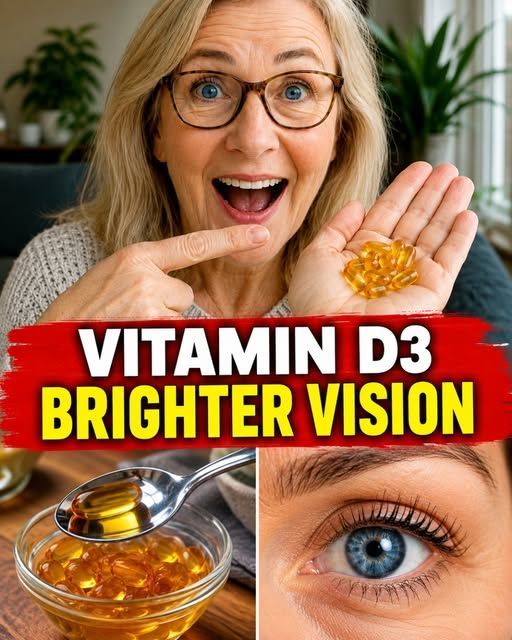
Vitamin D3 has become one of the most popular supplements among adults over 60 across Europe and North America. Doctors frequently discuss vitamin D because it plays an essential role in maintaining healthy bones, supporting normal muscle function, and contributing to normal immune system activity.
For many people, taking a softgel every morning feels as automatic as brushing their teeth.
That familiarity can be comforting.
However, there is an important distinction worth remembering.
Vitamin D3 is an essential nutrient, but it is not a magic solution for every concern that comes with aging. Social media headlines often suggest dramatic benefits for vision, memory, or energy that go far beyond what current scientific evidence supports.
Research continues to explore possible links between vitamin D levels and eye health. Some observational studies have found that people with lower vitamin D levels may also have a higher likelihood of certain eye conditions. However, these studies cannot prove that vitamin D directly causes or prevents those conditions.
That difference matters.
Understanding realistic expectations helps people make informed decisions instead of chasing misleading promises.
What Research Says About Vitamin D3 and Healthy Vision

The eyes are incredibly active organs.
They rely on healthy blood circulation, proper nerve function, balanced nutrition, and protection from oxidative stress throughout life.
Scientists have become interested in vitamin D because vitamin D receptors are present in many tissues throughout the body, including parts of the eye.
Current research suggests several possible connections.
These include
- Supporting normal immune regulation
- Helping maintain healthy inflammatory responses
- Contributing to overall vascular health
- Supporting general cellular function
However, it is important to emphasize something many online articles ignore.
Researchers have not concluded that taking vitamin D3 supplements alone preserves eyesight or prevents age related eye diseases.
Instead, experts generally recommend maintaining adequate vitamin D levels as one component of overall healthy aging.
This balanced perspective is supported by organizations including the National Institutes of Health and other major public health authorities.
The real story is less dramatic but far more useful.
Healthy vision depends on many lifestyle habits working together.
Signs Your Eyes May Simply Need More Attention

Many adults dismiss small changes because they happen gradually.
You might notice yourself saying things like
- I just need stronger reading glasses.
- Driving at night feels harder than it used to.
- Restaurant menus seem darker every year.
- My eyes feel tired after reading.
- I need more light in the kitchen.
These changes are common with aging.
Sometimes they reflect normal age related changes.
Sometimes they deserve an eye examination.
The important point is this.
Supplements should never replace routine eye care.
Scheduling comprehensive eye exams allows professionals to identify concerns early and recommend appropriate care if needed.
Common Myths About Vitamin D3 and Vision

Here is where confusion often begins.
Many internet posts combine early research with exaggerated conclusions.
The table below separates evidence from misconception.
| Popular Claim | What Current Evidence Suggests |
| | |
| Vitamin D3 instantly improves eyesight | No strong scientific evidence supports this claim |
| Higher doses always provide greater benefits | More is not always better and excessive intake may be harmful |
| Vitamin D replaces healthy eating | Nutrition works best as a complete dietary pattern |
| Supplements remove the need for eye exams | Regular eye examinations remain important |
| Everyone needs the same amount | Individual needs vary depending on age, health, diet, and medical advice |
The truth is much less exciting than viral headlines.
But it is far more trustworthy.
Why Sunlight Still Matters
Vitamin D is often called the sunshine vitamin for a reason.
Our skin naturally produces vitamin D when exposed to sunlight.
As we age, this natural production becomes less efficient.
Several additional factors can reduce vitamin D production.
These include
- Spending more time indoors
- Living in northern climates
- Wearing clothing that covers most of the skin
- Using sunscreen correctly for skin protection
- Natural aging of the skin
That does not mean anyone should spend excessive time in direct sunlight.
Instead, balance is the goal.
Safe outdoor activity offers multiple benefits beyond vitamin D production, including physical activity, improved mood, and social interaction.
Foods That Naturally Support Healthy Aging

While supplements can help some individuals meet nutritional needs, food remains the foundation of a healthy diet.
Foods containing vitamin D include
- Fatty fish such as salmon, sardines, and mackerel
- Egg yolks
- Fortified milk
- Fortified yogurt
- Fortified breakfast cereals
- Some mushrooms exposed to ultraviolet light
Interestingly, eye friendly nutrition goes well beyond vitamin D.
Many experts recommend eating a colorful variety of fruits and vegetables because they provide nutrients associated with healthy vision, including
- Vitamin A
- Vitamin C
- Vitamin E
- Zinc
- Lutein
- Zeaxanthin
- Omega 3 fatty acids
No single nutrient works alone.
Think of your diet as an orchestra rather than a solo performance.
The Daily Habits That Often Matter More

This is the part many people skip.
One supplement cannot compensate for years of unhealthy habits.
Instead, combine several practical routines.
Step One
Take supplements only as directed by your healthcare professional or according to product instructions.
Step Two
Eat balanced meals rich in vegetables, fruit, whole grains, lean protein, and healthy fats.
Step Three
Stay physically active.
Even daily walking supports overall circulation and healthy aging.
Step Four
Wear sunglasses that block ultraviolet rays when outdoors.
Protecting your eyes from excessive UV exposure remains an important habit throughout life.
Step Five
Stop smoking if you currently smoke.
Smoking affects many aspects of health, including eye health.
Step Six
Schedule regular comprehensive eye examinations, especially after age 60.
This simple habit is often the most valuable step people overlook while searching for miracle supplements online.
When Should You Talk With Your Healthcare Provider?

Although vitamin D3 is widely available, supplements are not one size fits all.
Consider discussing vitamin D with your healthcare provider if you
- Rarely spend time outdoors
- Have concerns about bone health
- Follow a diet low in vitamin D sources
- Have been advised you may have low vitamin D levels
- Take multiple supplements already
Your healthcare provider may recommend testing vitamin D levels when appropriate.
Personalized advice is usually more helpful than following internet trends.
The Surprisingly Simple Habit Many People Forget

Remember the promise from the beginning of this article?
Here it is.
The habit that often protects long term vision better than chasing the newest supplement headline is surprisingly ordinary.
Have your eyes examined regularly.
Many eye conditions develop gradually without causing noticeable symptoms during the early stages.
Routine examinations can identify changes before they begin interfering with everyday life.
That simple appointment may provide more valuable information than hours spent scrolling through dramatic health videos online.
Vitamin D3 can certainly have an appropriate place within a healthy lifestyle when used wisely.
But it works best alongside balanced nutrition, physical activity, regular medical care, and realistic expectations.
That combination creates a stronger foundation for healthy aging than relying on any single capsule.
Conclusion
Vitamin D3 has earned its place as one of the most commonly used supplements among older adults, and maintaining adequate vitamin D levels supports several important aspects of health. Current research continues exploring possible relationships between vitamin D and eye health, but evidence does not support viewing vitamin D3 as a standalone answer for preserving vision.
Instead, focus on the habits with the strongest overall support.
Eat a varied diet.
Stay active.
Spend safe time outdoors.
Protect your eyes from ultraviolet light.
Keep routine eye appointments.
And if you choose to take vitamin D3, use it as one part of a thoughtful wellness plan rather than expecting dramatic changes on its own.
Frequently Asked Questions
Can vitamin D3 improve blurry vision?
Current scientific evidence does not show that vitamin D3 directly improves blurry vision. Blurred vision should always be discussed with an eye care professional because it may have many possible causes.
Is it better to get vitamin D from food or supplements?
Both can contribute to healthy vitamin D levels. Many people obtain vitamin D through a combination of sunlight, food, and supplements when appropriate. Individual needs vary.
Should everyone over 60 take vitamin D3 every day?
Not necessarily. Vitamin D needs differ depending on diet, health status, medications, sun exposure, and personal circumstances. It is best to discuss your individual needs with your healthcare provider.
Medical Disclaimer
This article is intended for educational and informational purposes only. It is not a substitute for professional medical advice, diagnosis, or individualized healthcare recommendations. Always consult a qualified healthcare professional regarding questions about your health, medications, supplements, or changes to your wellness routine.