Many seniors enjoy a warm bowl of oatmeal in the morning, believing it supports heart health and steady energy. Yet small everyday choices when preparing or topping this popular breakfast can sometimes lead to discomfort, energy dips, or less noticeable effects over time. These habits often go unnoticed but can affect digestion, blood sugar balance, and overall satisfaction with your meals.

The good news is that simple adjustments can help you enjoy oatmeal in a way that better fits your needs as you age. In this guide, you will discover 10 practical mistakes to watch for, along with easy ways to make your oatmeal more supportive of daily comfort and wellness. Keep reading to the end for a complete action plan that ties everything together.
Why Oatmeal Remains a Popular Choice for Seniors
Oatmeal has earned its reputation for good reason. Research suggests that the soluble fiber known as beta-glucan in oats may help support healthy cholesterol levels when part of a balanced diet. It also provides a gentle source of sustained energy and can be easy to prepare and digest for many older adults.
However, not all oatmeal experiences are created equal. The way you choose, prepare, and top your oats can make a meaningful difference in how your body responds.
Mistake 1: Choosing Highly Processed Instant Packets Too Often
Many convenient instant oatmeal packets contain added sugars, artificial flavors, or sodium that can work against the natural benefits of oats. Studies indicate that less processed forms tend to digest more gradually, supporting steadier energy.
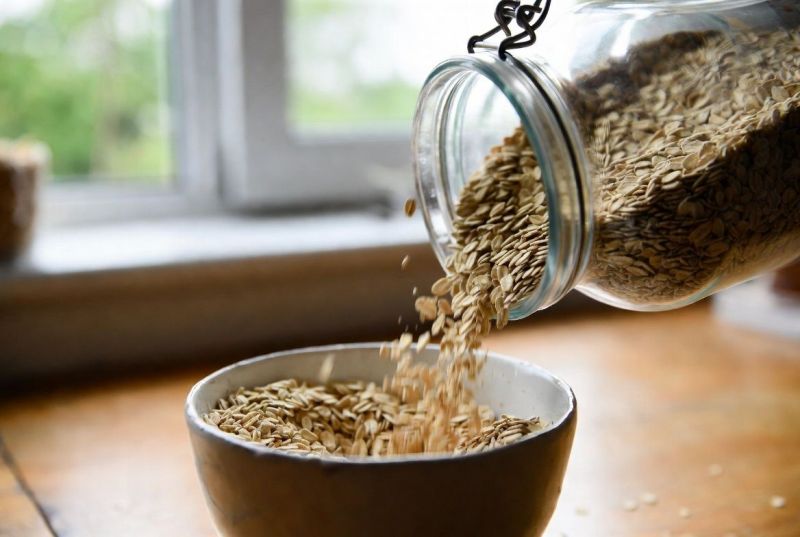
Opt for plain rolled oats or steel-cut oats instead. These varieties retain more of their natural structure and fiber.
Mistake 2: Adding Too Much Sugar or Sweet Toppings
It is easy to reach for brown sugar, honey, maple syrup, or flavored syrups to improve taste. Yet these additions can turn a potentially supportive breakfast into one that affects blood sugar response more noticeably.
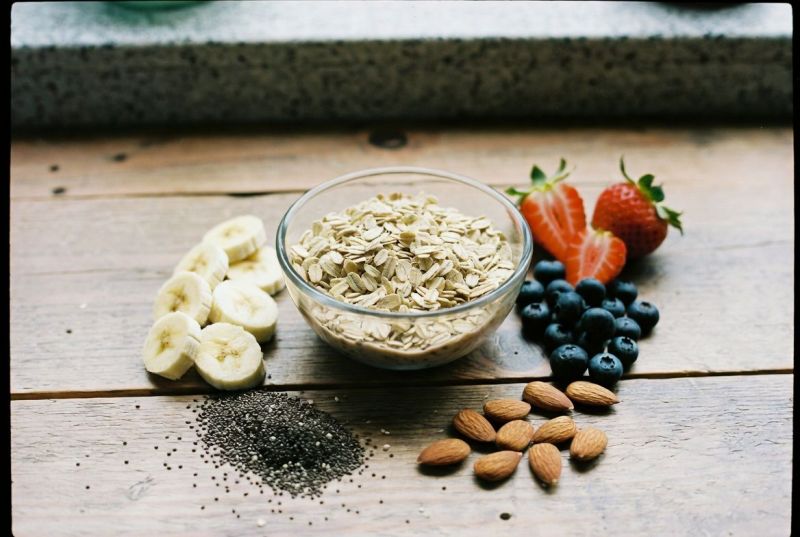
Try natural sweetness from fresh berries, sliced banana, or a sprinkle of cinnamon. These options provide flavor along with extra nutrients and fiber.
Mistake 3: Eating Oatmeal Without Balancing Protein and Healthy Fats
Plain oatmeal is mostly carbohydrates. Without added protein or fat, some people notice hunger returning sooner or less stable energy throughout the morning.
Simple ways to balance your bowl:
- Stir in a scoop of Greek yogurt or a spoonful of nut butter
- Add a handful of chopped walnuts or almonds
- Include a boiled egg on the side
This combination helps create a more satisfying meal that supports muscle maintenance, which is important for seniors.
Mistake 4: Using Water Instead of Nutrient-Rich Liquids
Cooking oats in plain water is common, but it can result in a less flavorful and less nourishing bowl.
Consider using low-fat milk, unsweetened almond milk, or even a mix of milk and water. These liquids add creaminess and a small boost of protein or calcium without extra effort.
Mistake 5: Ignoring Portion Sizes
A very large serving can provide more carbohydrates than your body needs at one sitting. Many nutrition experts recommend starting with about ½ cup of dry oats for a standard serving.
Measure once or twice to get comfortable with the right amount for your needs. Adjust based on your activity level and how you feel afterward.
Mistake 6: Relying on Oatmeal Every Single Day Without Variety
While oats are nutritious, eating the same food daily may limit intake of other important nutrients. Variety supports a broader range of vitamins, minerals, and antioxidants.
Aim for oatmeal three to five times per week and rotate with other whole-grain options like quinoa or barley on other days. This approach helps prevent boredom while supporting balanced nutrition.
Mistake 7: Not Considering Digestive Comfort
The high fiber content that benefits many people can occasionally cause temporary bloating or gas, especially when increasing intake suddenly. Seniors with slower digestion may notice this more.
Start with smaller portions and increase gradually. Drinking plenty of water throughout the day also helps fiber do its job more comfortably.
Mistake 8: Overlooking Medication Timing
Certain medications may interact with high-fiber meals. For example, some thyroid medications are best taken on an empty stomach, separate from fiber-rich foods.
Check with your healthcare provider about the best timing for your specific medications. A short gap between your bowl of oatmeal and medication can make a difference.
Mistake 9: Choosing Flavored or Pre-Sweetened Varieties Regularly
Flavored packets often hide added sugars and other ingredients that reduce the overall quality of the meal. Reading labels takes just a moment but makes a big impact.
Stick with plain oats and control the additions yourself. This gives you full choice over what goes into your breakfast.
Mistake 10: Preparing Oatmeal Incorrectly (Texture and Cooking Method)
Overcooking or using too much liquid can create a mushy texture that some seniors find less appealing. Undercooking rolled oats may leave them too chewy.
Step-by-step guide for better texture:
- Bring liquid to a gentle simmer
- Add oats and stir
- Cook rolled oats for 5-10 minutes, steel-cut for 15-20 minutes
- Let it rest off the heat for a couple of minutes to thicken naturally
Experiment to find the consistency you enjoy most.
Actionable Tips to Make Your Oatmeal Work Better for You
Here is a quick comparison to help you upgrade your routine:
| Mistake | Better Choice | Expected Benefit |
|---|---|---|
| Instant packets | Rolled or steel-cut oats | Steadier energy |
| Sugary toppings | Fresh fruit + cinnamon | Natural sweetness without spikes |
| Plain water only | Milk or fortified plant milk | Added nutrients and creaminess |
| No protein | Add yogurt, nuts, or eggs | Longer satisfaction |
Quick daily recipe example:
- ½ cup rolled oats
- 1 cup low-fat milk
- ½ banana mashed in
- 1 tablespoon chia seeds
- Handful of berries
- Sprinkle of cinnamon and a tablespoon of almond butter
This balanced version comes together in under 10 minutes and supports many wellness goals.
Additional Considerations for Senior Health
Pay attention to how your body responds. Some individuals with certain digestive conditions may prefer oat bran in moderation or certified gluten-free oats if sensitivity is a concern. Those managing kidney health should discuss mineral intake with their doctor, as oats contain natural amounts of phosphorus and potassium.
Staying consistent with small positive changes often brings the best long-term results. Combine oatmeal with regular movement, good hydration, and varied meals for overall support.
Conclusion
Oatmeal can be a comforting and nutritious part of your morning when prepared thoughtfully. By avoiding these 10 common mistakes and focusing on quality ingredients, balanced toppings, and proper portions, you can enjoy your breakfast with greater confidence and comfort. Small adjustments today can contribute to feeling better in your daily routine.
FAQ
1. Is oatmeal good for seniors every day?
Many seniors benefit from oatmeal several times a week as part of a varied diet. Daily consumption works well for some but rotating with other grains helps ensure broader nutrition.
2. What type of oats is best for blood sugar management?
Less processed options like steel-cut or old-fashioned rolled oats generally provide a more gradual energy release compared to instant varieties.
3. How can I make oatmeal easier to digest?
Start with smaller servings, cook thoroughly, add healthy fats, and increase fiber gradually while staying well hydrated.
Disclaimer: This article is for informational purposes only and is not intended as medical advice. Please consult your healthcare provider before making significant changes to your diet, especially if you have existing health conditions or take medications.