Many people over 60 quietly notice their vision becoming less sharp, with words on screens blurring more easily or colors seeming a little duller during everyday tasks. This gradual change can make reading, driving at dusk, or enjoying hobbies feel more straining, adding frustration to daily routines that once felt effortless. Research highlights how certain natural compounds may help support the protective pigments in our eyes as we age.

What if a small, pleasant daily habit involving tiny red berries could make a meaningful difference in how your eyes feel?
Understanding Age-Related Changes in Eye Health
As we get older, our eyes naturally face more challenges from daily exposure to screens, light, and the natural aging process. The macula, the central part of the retina responsible for sharp vision, can benefit from extra nutritional support. Studies suggest that maintaining healthy levels of specific antioxidants plays a key role here.
Why Goji Berries Stand Out for Eye Support
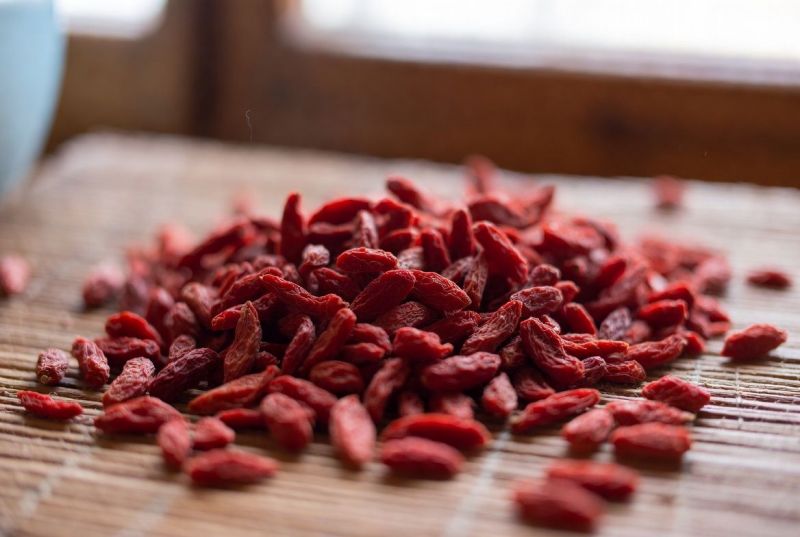
Goji berries, also known as wolfberries, have been valued in traditional practices for centuries. These small, bright red fruits are packed with nutrients, including high levels of zeaxanthin and lutein. Research from the University of California, Davis, found that regularly consuming a small serving of dried goji berries increased the density of protective macular pigments in healthy adults aged 45 to 65.
But that’s not all. These berries provide a highly bioavailable form of zeaxanthin, meaning your body can absorb and use it effectively.
The Science Behind Goji Berries and Eye Wellness
Multiple studies point to the potential benefits of goji berries for supporting eye health. One randomized pilot trial showed participants who ate about 28 grams (a small handful) of dried goji berries five times a week for 90 days experienced notable increases in macular pigment optical density compared to those using other supplements.
Zeaxanthin and lutein act like natural filters, helping shield the eyes from blue light and oxidative stress. This is particularly relevant after 60, when natural defenses may need extra help.
Here are some key nutrients found in goji berries that contribute to this support:
- Zeaxanthin: Abundant in goji berries, it concentrates in the macula for targeted protection.
- Lutein: Works alongside zeaxanthin to support visual performance.
- Antioxidants: Including vitamin C and polysaccharides that help combat everyday oxidative stress.
- Other compounds: Such as beta-carotene, which the body converts as needed.
How to Make Goji Tea at Home – Simple Steps
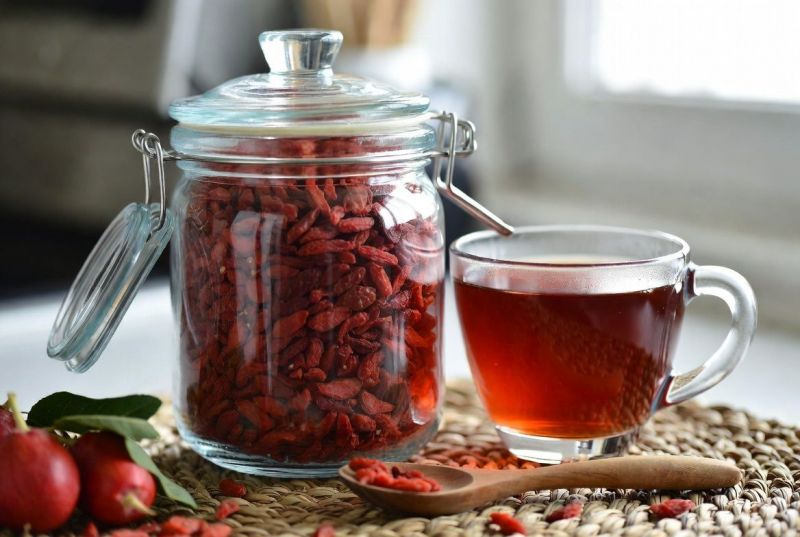
Preparing goji tea is straightforward and can become an enjoyable part of your daily routine. Here’s a basic recipe many people enjoy:
- Take 1-2 tablespoons of dried goji berries (about 10-15 grams).
- Rinse them gently under cool water.
- Place in a cup or teapot and pour 1-2 cups of hot (not boiling) water over them.
- Let steep for 5-10 minutes until the water turns a pleasant reddish hue.
- Enjoy warm, optionally adding a slice of lemon or a touch of honey for flavor.
You can reuse the berries for a second cup. For variety, some combine goji berries with chrysanthemum flowers in traditional style.

Daily Habits to Pair with Goji Tea for Better Eye Comfort
Incorporating goji tea is even more effective alongside supportive habits. Consider these actionable tips:
- Stay hydrated throughout the day to keep eyes moist and comfortable.
- Follow the 20-20-20 rule: Every 20 minutes, look at something 20 feet away for 20 seconds.
- Eat a colorful diet rich in leafy greens and other antioxidant-rich foods.
- Wear sunglasses outdoors to reduce glare and UV exposure.
- Ensure good lighting when reading or working on close tasks.
Comparing Goji Berries to Other Eye-Friendly Options
| Option | Key Benefit | Ease of Use | Notes |
|---|---|---|---|
| Goji Tea/Berries | High zeaxanthin bioavailability | Simple daily drink or snack | Pleasant taste, versatile |
| Leafy Greens | Good lutein source | Meals only | Requires consistent intake |
| Commercial Supplements | Concentrated nutrients | Convenient pills | May not match food matrix benefits |
| Carrot Juice | Beta-carotene | Fresh prep needed | Less targeted for macular pigments |
Goji berries often stand out due to their natural combination of compounds and research-backed absorption.
More Ways Goji Berries Fit Into a Balanced Lifestyle
Beyond eye support, goji berries offer general wellness benefits as part of a nutrient-rich diet. Their mild sweetness makes them easy to add to smoothies, oatmeal, or trail mixes. Many people over 60 appreciate how this small change feels approachable and sustainable.
Potential Considerations When Adding Goji Berries
While generally well-tolerated, it’s wise to start with smaller amounts to see how your body responds. Those on medications should consult their healthcare provider, as with any dietary change. Quality matters – choose reputable sources for dried berries to ensure freshness and purity.
Realistic Expectations and Long-Term Habits
Results vary, but consistency over weeks and months often yields the best experience. Many report eyes feeling less strained and vision appearing clearer with regular use alongside healthy habits. The UC Davis study highlights benefits within 90 days for pigment density.
Conclusion: A Small Berry, a Meaningful Habit
Adding goji tea to your daily routine offers a simple, enjoyable way to support eye wellness after 60. By focusing on nutrient-dense choices like these tiny red berries, you’re taking a proactive step toward comfortable vision for the activities you love.
FAQ
1. How much goji tea should I drink daily for eye support?
Many people enjoy 1-2 cups per day using 10-28 grams of dried berries. Consistency matters more than large quantities.
2. Can I eat the berries instead of making tea?
Yes, snacking on a small handful of dried goji berries provides similar nutritional benefits and is very convenient.
3. Are there any side effects from goji berries?
They are generally safe for most people, but consult a healthcare professional if you have specific health conditions or take medications.
Disclaimer: This article is for informational purposes only and is not intended as medical advice. Always consult with a qualified healthcare provider before making significant changes to your diet or lifestyle, especially if you have existing health concerns or are taking medications. Individual results may vary.