Many people notice their hair becoming thinner over time, especially around the hairline or crown. This can affect confidence and make everyday styling feel challenging. Factors like stress, age, hormones, and daily habits often play a role in creating those sparse spots that seem harder to manage. But what if a simple, time-tested natural ingredient could become part of your routine to help hair look fuller and healthier?

That’s where rosemary oil comes in. This aromatic herb, long valued in traditional wellness practices, is gaining attention for its potential to support scalp health. In this guide, you’ll discover a practical way to use it—along with complementary herbs like bay leaves and cloves—in an easy homemade oil blend. Keep reading to learn the steps, the reasoning behind it, and how to make it part of your nightly ritual for visible improvements over time.
Understanding Thinning Hair and Everyday Challenges
Thinning hair doesn’t happen overnight. It often starts subtly, with more strands in the brush or a wider part that catches the light differently. For many, this leads to frustration when trying to achieve volume or cover certain areas. The scalp may feel drier or less nourished, making hair appear limp and less dense.
Research suggests that improving scalp circulation and providing natural antioxidants can make a noticeable difference in how hair looks and feels. Rosemary stands out because of its unique properties. A well-known 2015 study found that rosemary oil performed comparably to 2% minoxidil in supporting hair count after consistent use, with fewer reported side effects in participants.
This doesn’t mean it’s a miracle fix, but it offers a gentle, accessible option worth exploring as part of a broader hair care approach.
Why Rosemary Oil and Supporting Herbs May Help
Rosemary contains compounds like carnosic acid that are studied for their ability to promote better blood flow to the scalp and offer antioxidant benefits. These effects may create a more favorable environment for follicles to thrive.
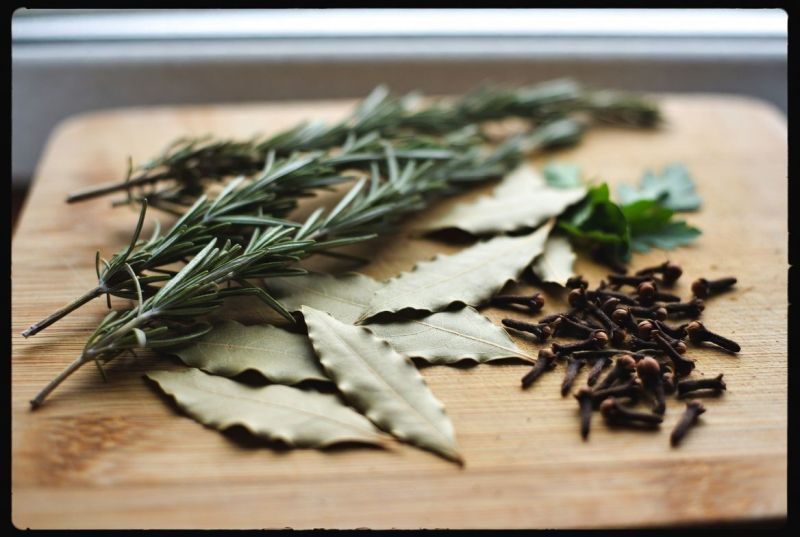
When combined with bay leaves (known for their nourishing qualities) and cloves (which bring warming, stimulating properties), the blend becomes even more supportive. Many traditional recipes use this trio because they complement each other in scent and potential benefits.
Here’s what makes this combination appealing:
- Rosemary: Supports circulation and may help reduce scalp irritation.
- Bay leaves: Rich in vitamins and minerals that contribute to stronger-looking hair.
- Cloves: Add a spicy note and are traditionally used for their cleansing properties.
- Carrier oil (like olive or coconut): Helps dilute and deliver the active ingredients safely to the scalp.
This isn’t about overnight transformation. Consistency over weeks is key, which is why the image you saw highlights a 21-day routine.
How to Make Your Own Herbal Hair Oil at Home
Creating this oil is straightforward and uses ingredients you can find at most grocery stores or online. Here’s a simple recipe for a small batch.
Ingredients:
- 1 cup of carrier oil (extra virgin olive oil or coconut oil works well)
- 2-3 tablespoons dried rosemary leaves
- 1-2 tablespoons dried bay leaves
- 1 tablespoon whole cloves
- Optional: A few drops of rosemary essential oil for extra potency (always diluted)
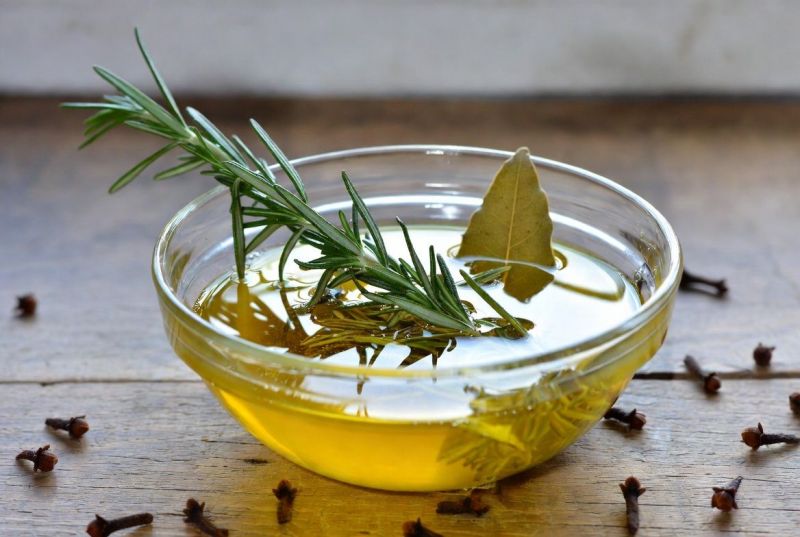
Step-by-Step Preparation:
- Place the dried herbs in a clean glass jar.
- Pour the carrier oil over the herbs until fully submerged.
- Seal the jar and place it in a warm, sunny spot for 7-14 days. Shake gently every day.
- After infusing, strain the oil through a cheesecloth or fine mesh into a clean bottle.
- Store in a cool, dark place. It should last several weeks.
For a quicker version, gently heat the oil with herbs in a double boiler for 30-60 minutes (don’t let it boil), then strain.
Pro Tip: Always do a patch test on your inner arm before using on your scalp to check for sensitivity.
Your 21-Day Scalp Application Routine
The “apply 5 drops every night” method shown in many natural hair care visuals is simple and effective for building a habit.
Daily Steps:
- Start with clean, dry or slightly damp hair.
- Warm a small amount of your herbal oil between your fingertips (about 5-10 drops total).
- Section your hair and massage directly into thinning or sparse areas using circular motions for 3-5 minutes. This massage boosts circulation.
- Work the oil through the rest of your scalp if desired.
- Leave it on overnight or at least 1-2 hours before washing.
- Repeat every evening for 21 days to establish the routine.
Many people notice their scalp feeling healthier and hair looking shinier within the first couple of weeks. But the real changes in density often become more apparent with patience.
Additional Tips to Maximize Results
While the oil is the star, supporting habits make a big difference:
- Eat a balanced diet rich in protein, iron, zinc, and vitamins A, C, and E.
- Stay hydrated and manage stress through sleep or gentle exercise.
- Avoid tight hairstyles that pull on the roots.
- Use a mild, sulfate-free shampoo to prevent stripping natural oils.
Common Mistakes to Avoid:
- Applying undiluted essential oils directly (always use a carrier).
- Expecting dramatic results in just a few days—hair growth cycles take time.
- Over-washing your hair, which can dry out the scalp.
Real Experiences and What Science Suggests
Many users in wellness communities share stories of improved hair texture and reduced shedding after consistent use. While individual results vary, the growing body of research on rosemary oil is encouraging. A 2022 study and others reinforce its potential role in supporting hair density.
Remember, this approach works best alongside good overall health practices. Consult a healthcare professional if you’re experiencing significant hair loss to rule out underlying conditions.
Conclusion: A Gentle Step Toward Healthier-Looking Hair
Incorporating a rosemary-based herbal oil into your nightly routine offers a natural, low-cost way to care for your scalp and support fuller-looking hair in those thinning spots. With just a few minutes each evening, you can nurture your hair from the roots up.
Start small, stay consistent, and observe how your hair responds over the coming weeks. Many find it becomes a soothing self-care ritual they look forward to.
FAQ
1. How long does it take to see results from rosemary oil for hair?
Most people notice improved scalp feel and shine within 2-4 weeks, with potential changes in density appearing after 1-3 months of consistent use.
2. Can I use this oil if I have sensitive skin?
Yes, but always dilute properly and do a patch test first. If irritation occurs, discontinue use and consult a dermatologist.
3. Is rosemary oil safe to use every day?
For most people, yes, when properly diluted. Start with every other night if you’re new to it, and listen to your scalp.
Disclaimer: This article is for informational purposes only and is not intended as medical advice. Results may vary. Consult with a qualified healthcare provider before starting any new hair care regimen, especially if you have underlying health conditions or are using other treatments. Individual responses to natural ingredients differ.