If you have noticed higher levels of protein in your urine or are concerned about your kidney health, you are not alone. Many people dealing with proteinuria find that everyday eating habits can quietly add extra strain on the kidneys over time. High sodium, excess phosphorus, potassium imbalances, and too much protein from certain sources can make the body work harder to filter waste, potentially worsening symptoms like fatigue, swelling, or changes in urination.

The good news is that simple awareness of what you eat can make a meaningful difference in supporting your overall kidney function. In this article, we will explore 10 common foods that may contribute to kidney stress and share practical ways to make smarter swaps starting today. Keep reading to the end for an unexpected tip that many people overlook when managing their diet.
Understanding Proteinuria and Your Diet
Proteinuria happens when the kidneys’ filtering units allow too much protein to pass into the urine. While various factors play a role, what you eat influences how hard your kidneys have to work. Research shows that managing sodium, phosphorus, and protein intake helps reduce the burden on these vital organs.
But that does not mean you have to give up flavor or enjoyment. Small, consistent changes often bring the best results. Here is what to watch for and why it matters.
High-Sodium Foods That Can Increase Kidney Strain
Excess sodium causes the body to hold onto fluid, which raises blood pressure and forces the kidneys to work overtime. Over time, this can aggravate proteinuria.
Here are some of the biggest culprits:
- Processed deli meats like ham, bacon, and sausages
- Canned soups and vegetables
- Packaged snacks such as chips, pretzels, and crackers
- Fast food and restaurant meals
- Frozen dinners and ready-to-eat foods
Studies highlight that cutting back on sodium helps support healthier blood pressure levels, which is important for kidney protection.
Actionable tip: Aim for less than 2,300 mg of sodium per day. Read labels carefully and choose fresh ingredients whenever possible. Flavor meals with herbs, garlic, lemon, or low-sodium spices instead of salt.
Why Processed Meats Deserve Extra Caution
Processed meats rank high on many kidney health watch lists. They contain not only high sodium but also additives like phosphates that the body absorbs easily.
These foods can increase waste products that damaged kidneys struggle to clear. Many experts recommend limiting or avoiding them to ease the load.
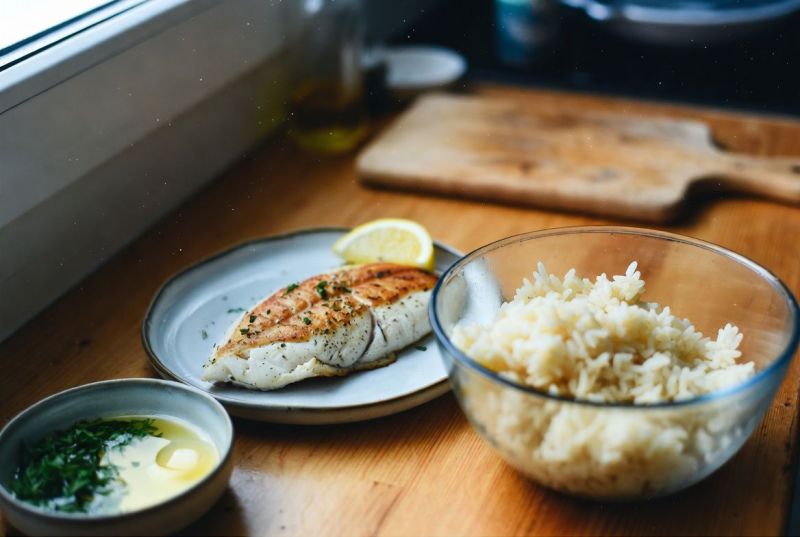
Try swapping for fresh, skinless chicken, turkey, or fish in moderate portions. Grill or bake at home for better control over ingredients.
Dark-Colored Sodas and Phosphorus Additives
Dark sodas often contain added phosphorus, which can build up in the blood when kidney function is reduced. This mineral is especially concerning because it comes from additives that absorb more readily than natural sources.
Even small daily amounts add up. Many health organizations suggest steering clear of cola and similar beverages on a kidney-supportive plan.
Better choices: Water, herbal teas, or infused water with cucumber and lemon slices. These keep you hydrated without hidden additives.
Dairy Products and Phosphorus Concerns
Milk, cheese, yogurt, and other dairy items provide valuable nutrients but are also high in phosphorus and protein. For those monitoring proteinuria, too much can contribute to mineral imbalances.
Research indicates limiting high-phosphorus dairy helps maintain better balance.
Consider smaller portions or alternatives like rice milk or almond milk (check labels for additives). Focus on quality over quantity.

Excessive Red Meat and Animal Proteins
While protein is essential, large amounts of red meat and processed animal proteins produce more waste products that kidneys must filter. This can be particularly challenging when proteinuria is present.
Guidelines often suggest moderating animal protein intake and leaning toward plant-based options when appropriate.
Practical step: Aim for balanced portions about the size of your palm. Include egg whites, small amounts of fish, or plant proteins like lentils (in moderation, depending on your potassium needs).
High-Potassium Foods to Monitor
Certain fruits and vegetables like bananas, oranges, avocados, and potatoes are rich in potassium. In later stages of kidney concerns, excess potassium can affect heart rhythm and overall balance.
Not everyone needs strict limits, so check with your healthcare provider. Many people benefit from choosing lower-potassium alternatives such as apples, berries, cabbage, or cauliflower.
Packaged Snacks and Hidden Additives
Chips, cookies, instant noodles, and many packaged items often hide sodium, phosphorus additives, and unhealthy fats. These convenience foods can quietly increase daily intake of kidney-stressing elements.
Quick win: Replace one snack a day with fresh fruit, unsalted nuts in small amounts, or homemade popcorn without added salt. Over weeks, these swaps compound.
Canned Foods and Sodium Overload
Canned goods are convenient but frequently loaded with sodium for preservation. Rinsing beans or vegetables can help, yet fresh or frozen (no-salt-added) versions are preferable.
This simple change reduces overall sodium load significantly.
Whole Grains and Bran Products High in Phosphorus
While whole grains offer fiber benefits, many like bran cereals, brown rice, and whole-wheat bread contain higher phosphorus levels. Refined versions such as white rice or white bread may be gentler options for some people.
Always personalize based on your lab results and professional advice.
Fast Food and Restaurant Meals
These meals often combine high sodium, unhealthy fats, and large protein portions. Frequent consumption adds cumulative stress.
Strategy: Plan home-cooked meals most days of the week. When eating out, ask for no-salt seasoning and smaller portions.
Additional Lifestyle Habits That Support Kidney Health
Beyond avoiding certain foods, staying hydrated with plain water, maintaining a healthy weight, and managing blood pressure and blood sugar are powerful steps. Light physical activity like walking also helps.
Here is a simple daily checklist you can start using right away:
- Drink water instead of sugary or dark beverages
- Choose fresh proteins in moderate portions
- Read nutrition labels for sodium and phosphorus
- Season with herbs instead of salt
- Include colorful low-potassium vegetables
But that is not the only approach. Many people find that combining these changes with regular check-ups leads to better long-term results.
What to Eat Instead: Smarter Swaps
Focus on fresh, whole foods that are naturally lower in the elements that challenge the kidneys:
- Fruits: Apples, berries, grapes, pineapple
- Vegetables: Cauliflower, cabbage, bell peppers, onions
- Grains: White rice, pasta, bread (in moderation)
- Proteins: Egg whites, small portions of fish or poultry
These choices provide nutrition without overloading the system.
Conclusion
Managing proteinuria involves paying attention to the foods that may add stress to your kidneys. By becoming aware of high-sodium, high-phosphorus, and excessive protein sources, you can make informed choices that support your health journey. Remember, consistency matters more than perfection.
Small daily decisions, like swapping a processed snack for fresh fruit or cooking at home, add up over time. Work closely with your doctor or a registered dietitian to create a plan that fits your specific needs and lab results.
Frequently Asked Questions
1. Can changing my diet really help with proteinuria?
Many studies suggest that reducing sodium, moderating protein, and watching phosphorus and potassium can help lessen the workload on the kidneys, though results vary by individual.
2. Should I stop eating protein completely?
No. Protein is essential, but the amount and type matter. Most people benefit from balanced, moderate intake rather than very high amounts.
3. How do I know which foods are safe for me personally?
Lab tests and guidance from your healthcare team are key. A personalized kidney-friendly eating plan works best.
Disclaimer: This article is for informational purposes only and is not a substitute for professional medical advice. Always consult your doctor or a qualified healthcare provider before making significant dietary changes, especially if you have kidney concerns or other health conditions.