Many seniors notice that leg cramps become more frequent as the years go by, often interrupting sleep or making simple daily movements uncomfortable. These sudden muscle tightenings can leave you feeling frustrated and tired the next day, especially when they strike at night. The good news is that paying attention to certain everyday foods may help support your body’s natural muscle function through better mineral balance.

In this article, we’ll explore practical ways to include magnesium-rich options in your meals. You’ll discover simple swaps and recipes that fit easily into your routine. Keep reading because there’s a surprising combination at the end that many people find helpful for daily comfort.
Why Magnesium Matters for Muscle Comfort in Later Years
Magnesium plays a key role in how muscles relax and contract. As we age, our bodies may absorb slightly less of this mineral from food, and daily needs can sometimes go unmet. Research suggests that maintaining adequate levels through diet supports overall muscle health and may reduce the likelihood of cramps.
Studies from sources like the National Institutes of Health highlight that many adults over 60 get less magnesium than recommended. This can pair with other common factors like reduced activity, certain medications, or changes in hydration. The encouraging part? Small, consistent changes in what you eat can make a real difference over time.
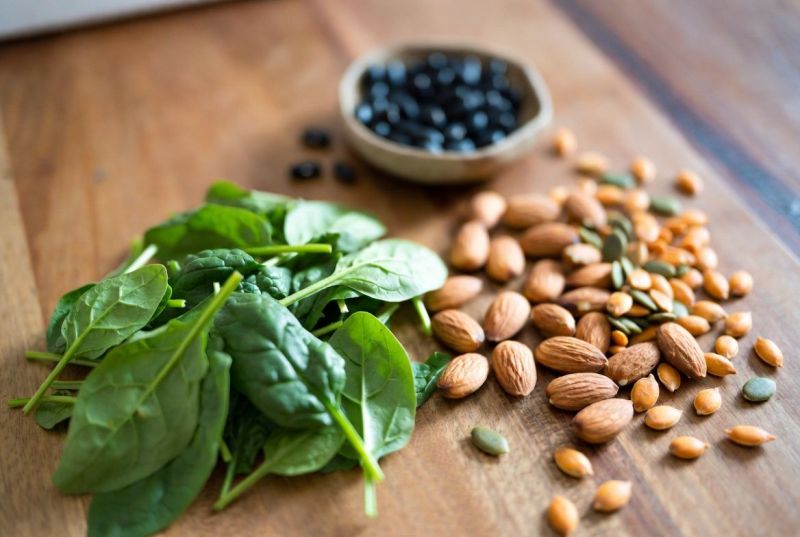
How Diet Can Support Your Legs Naturally
Instead of focusing only on supplements, turning to whole foods offers additional benefits like fiber, vitamins, and antioxidants. These foods work together to promote better hydration and electrolyte balance.
Here’s what the science generally shows: magnesium from natural sources is well-absorbed when part of a balanced plate. Let’s look at five standout options that seniors can enjoy regularly.
1. Leafy Greens Like Spinach and Swiss Chard
Dark leafy greens are among the easiest magnesium boosters to add to your day. A cooked cup of spinach delivers a solid amount of magnesium along with other supportive nutrients.
Simple ways to enjoy them:
- Add a handful to morning scrambled eggs
- Blend into a fruit smoothie
- Sauté lightly with garlic as a side dish
These greens also provide hydration and potassium, which work alongside magnesium for muscle comfort.
2. Nuts and Seeds – Almonds, Cashews, and Pumpkin Seeds
A small handful of nuts or seeds makes a satisfying snack that packs magnesium. Pumpkin seeds stand out with one of the highest concentrations per serving.
Practical tips:
- Sprinkle pumpkin seeds over yogurt or oatmeal
- Keep roasted almonds in a small container for afternoon energy
- Mix cashews into a trail mix with dried fruit (watch portions for calorie control)
Their healthy fats help your body absorb nutrients better while providing steady energy.
3. Legumes – Beans, Lentils, and Chickpeas
Beans and lentils are budget-friendly, filling, and rich in magnesium. One cup of cooked black beans offers a generous helping.
Easy serving ideas:
- Add lentils to soups or stews
- Make a simple chickpea salad with vegetables and olive oil
- Use black beans as a side with rice or in wraps
They also supply fiber that supports digestion, which is another common concern for seniors.
4. Whole Grains Such as Brown Rice and Oats
Whole grains provide magnesium along with sustained energy. Oats, in particular, are gentle on the stomach and versatile.
Daily habits:
- Start your morning with oatmeal topped with nuts
- Swap white rice for brown rice in meals
- Try quinoa as a base for vegetable bowls
These grains pair well with other magnesium sources for balanced plates.
5. Avocados and Bananas
These fruits bring magnesium together with potassium and a creamy texture that many seniors love.
Quick ideas:
- Mash avocado on whole-grain toast
- Slice banana into cereal or yogurt
- Blend both into a refreshing smoothie
Their natural sweetness makes healthy eating more enjoyable.
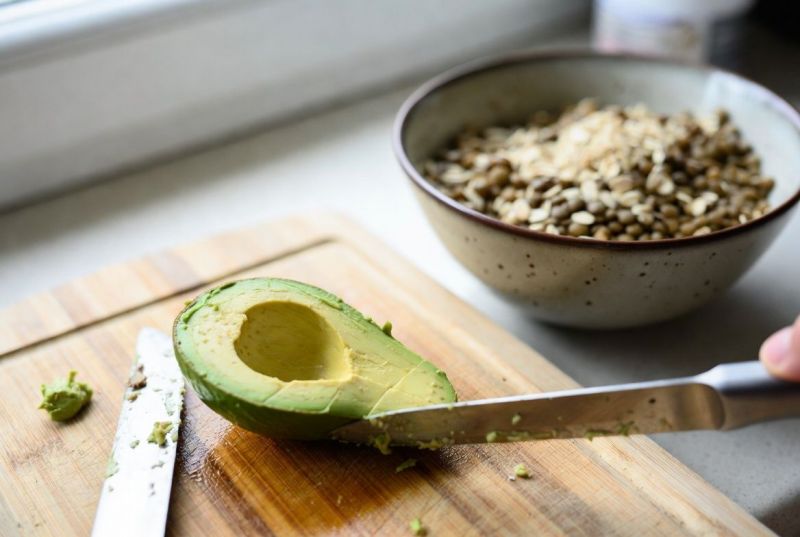
Top 5 Magnesium-Rich Foods Quick Reference:
- Pumpkin seeds: High concentration, great as a topping
- Spinach (cooked): Easy to add to many dishes
- Almonds: Convenient snack option
- Black beans: Versatile in savory meals
- Avocado: Creamy and nutrient-dense
Actionable Tips to Build the Habit in 7 Days
Start small to make changes stick. Here’s a simple 7-day plan:
- Day 1-2: Add one new food to your existing meals, like spinach in eggs.
- Day 3-4: Include a handful of nuts or seeds daily.
- Day 5-6: Prepare a legume-based dish for lunch or dinner.
- Day 7: Combine several items in a big salad or smoothie.
Stay hydrated throughout the day, as water helps minerals work effectively. Gentle stretching before bed can also complement your nutrition efforts.
Many readers report feeling more comfortable within a week or two when they stay consistent. But remember, results vary based on your overall lifestyle.
Delicious Recipe Ideas You Can Try Today
Magnesium-Boosting Green Smoothie
Blend spinach, banana, a spoonful of pumpkin seeds, Greek yogurt, and a splash of almond milk. This takes under five minutes and tastes refreshing.
Comforting Lentil Soup
Simmer lentils with carrots, onions, and leafy greens. Season lightly and enjoy with a side of whole-grain bread.
Simple Avocado Toast Upgrade
Top whole-grain toast with mashed avocado, a sprinkle of pumpkin seeds, and sliced tomatoes.
These recipes use ingredients most people already have or can find easily at local markets.
Other Lifestyle Habits That Support Muscle Comfort
While food is powerful, combine it with these habits:
- Stay active with walking or chair exercises
- Maintain good hydration (aim for water between meals)
- Consider talking to your doctor about any medications that might affect mineral levels
A balanced approach works best for long-term comfort.
FAQ
1. How much magnesium do seniors need daily?
Most adults over 50 benefit from aiming for 320–420 mg per day through food, depending on age and gender. Whole foods help reach this naturally.
2. Can I get enough magnesium just from diet?
Yes, many people do by focusing on the foods above. If you have absorption concerns or specific health conditions, a healthcare provider can offer personalized guidance.
3. When should I notice changes in leg comfort?
Some people feel improvements within one to two weeks of consistent changes, especially when paired with hydration and light movement. Everyone’s body responds differently.
Final Thoughts
Supporting leg comfort as a senior often comes down to simple, nourishing choices you can enjoy every day. By including more magnesium-rich foods like leafy greens, nuts, seeds, legumes, and certain fruits, you give your body helpful tools for muscle function.
Small steps add up. Start with one or two favorites this week and build from there. Your legs—and your sleep—may thank you.
Disclaimer: This article is for informational purposes only and is not a substitute for professional medical advice. Always consult your healthcare provider before making significant changes to your diet, especially if you have existing health conditions or take medications.